

What's Happening?
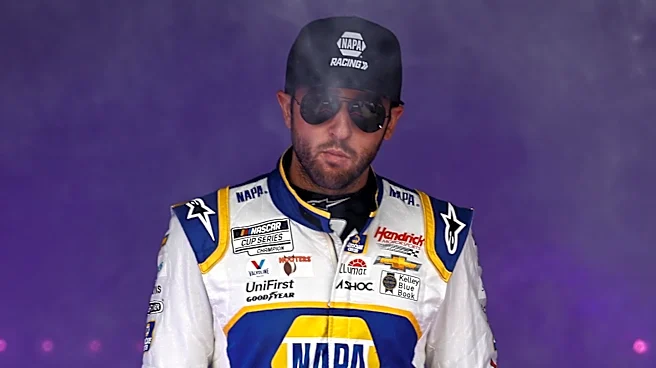
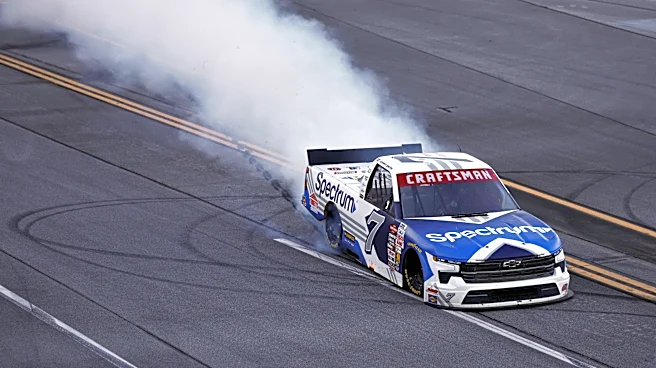
NASCAR driver Bubba Wallace is once again at the center of controversy following a radio message during a race at Talladega. The message, which expressed frustration about being asked to help teammate Tyler Reddick, has ignited a debate among fans and
analysts. Some accuse Wallace of selfishness, arguing that teammates should assist each other, especially when one is a championship contender like Reddick. Others defend Wallace, suggesting he had every right to prioritize his own race, particularly if Reddick's team was facing strategic issues like a fuel shortage. Freddie Kraft, Wallace's spotter, clarified that Wallace's frustration stemmed from a dangerous on-track situation, not a refusal to help Reddick. This incident adds to a pattern of intense scrutiny Wallace faces, with both strong supporters and vocal critics often interpreting his actions through pre-existing biases. The event concluded with Wallace finishing 22nd and Reddick 37th after being involved in a late wreck, leaving both drivers without their desired results.
Why It's Important?
This incident highlights the complex dynamics of teamwork and individual ambition within NASCAR, particularly in superspeedway racing where drafting and manufacturer alliances are crucial. For 23XI Racing, the team co-owned by Michael Jordan and Denny Hamlin, the controversy raises questions about consistent expectations for its drivers. The debate underscores the tension between a driver's personal career goals and the collective success of the team, especially when one driver is a championship contender. The intense public reaction to Wallace's radio message also reflects broader societal discussions about fairness, double standards, and the scrutiny faced by prominent figures. The incident could influence how teams communicate strategy and manage driver expectations in future races, potentially leading to clearer guidelines on teammate assistance. It also impacts fan perception, with the ongoing debate shaping narratives around Wallace's character and role in the sport.
What's Next?
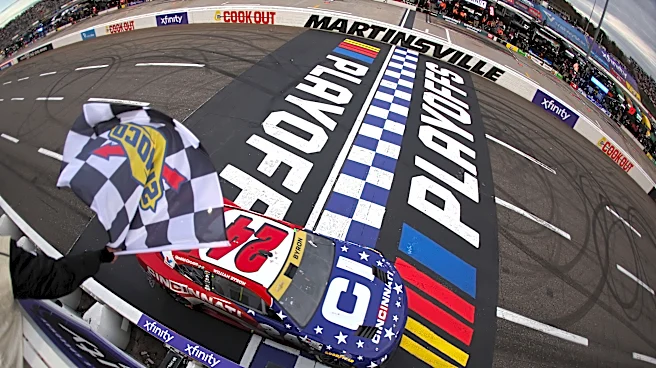
The immediate aftermath of the Talladega incident will likely involve continued discussion and analysis from NASCAR commentators and fans, particularly as the series moves to Martinsville. 23XI Racing may need to address the situation internally to clarify team expectations regarding cooperation and support among its drivers. This could involve discussions with Bubba Wallace and Tyler Reddick to ensure alignment on future race strategies, especially in critical championship scenarios. The incident could also prompt NASCAR officials or teams to review communication protocols during races, potentially leading to adjustments in how radio messages are handled or interpreted publicly. The ongoing debate will likely influence fan engagement and media coverage, with future on-track interactions between Wallace and Reddick being closely watched. The team's performance in upcoming races, particularly how Wallace and Reddick interact, will be a key indicator of how effectively this controversy is managed.
Beyond the Headlines
The controversy surrounding Bubba Wallace's radio message delves into deeper ethical and cultural dimensions within professional sports. It raises questions about the nature of individual responsibility versus team obligation, especially in a sport where individual performance is highly visible and directly impacts a driver's career. The intense scrutiny Wallace faces, often leading to debates about double standards, reflects broader issues of race and representation in sports. His position as a prominent Black driver in a historically less diverse sport means his actions are often amplified and interpreted through a different lens than those of his peers. This incident also highlights the impact of real-time communication in sports, where candid radio messages can quickly become national news, shaping public perception and influencing narratives. The ongoing discussion about whether Wallace is being unfairly targeted or legitimately criticized speaks to the complexities of fan culture and media interpretation in the digital age.