



What's Happening?
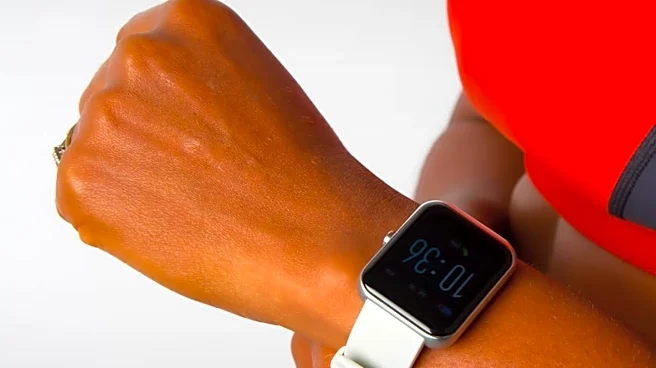
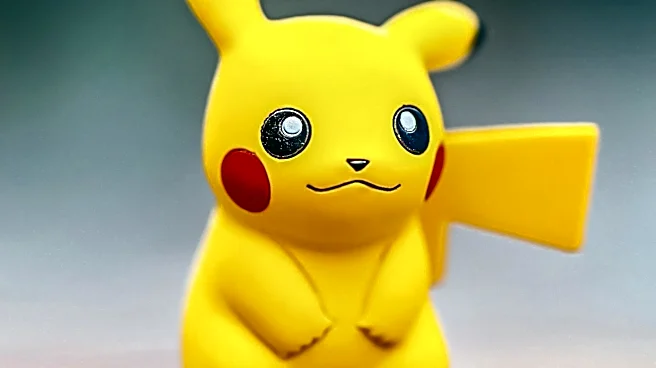
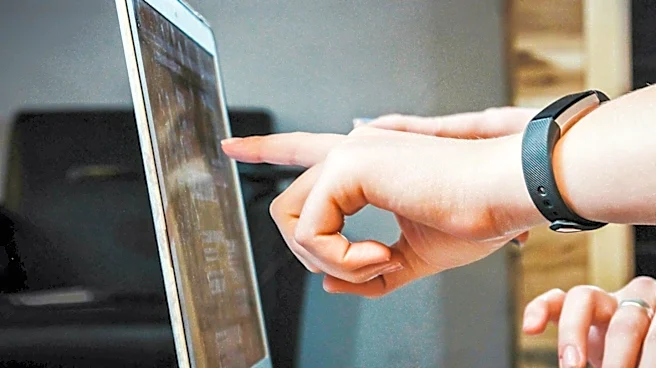
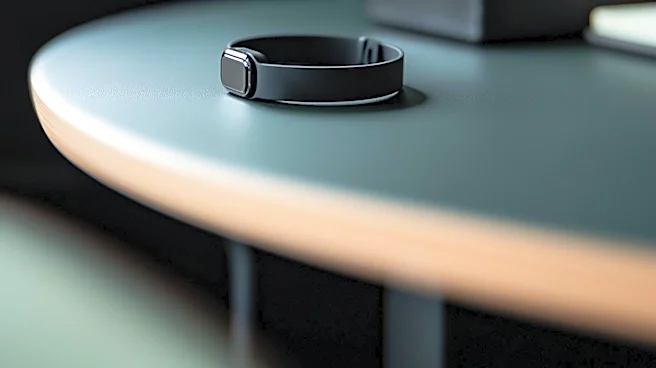
Google has unveiled a new version of the Fitbit Air, a wearable fitness and wellness tracker, which integrates with the Pokémon Sleep app. This special edition, officially named the Fitbit Air Special Edition Pokémon Sleep, features a custom design aimed
at encouraging users, particularly younger audiences, to engage with the device and the game to foster better sleep routines. The hardware itself is a standard Fitbit Air, but its integration with Google Health allows sleep data to be passed to the Pokémon Sleep app. This wrist-worn device is designed to provide more accurate sleep data compared to simply placing a smartphone next to a pillow. The Pokémon Sleep game, which has been available since 2023, incentivizes good sleep by gathering Pokémon with similar sleep types around a Snorlax character based on the user's sleep patterns. The game calculates 'Drowsy Power' by multiplying the user's Sleep Score (derived from sleep duration tracked via Google Health) with Snorlax's Strength, which is increased by berries collected by befriended Pokémon. Higher Drowsy Power leads to the appearance of more Pokémon and rarer sleep styles. The device is currently available for pre-order at $99, with availability starting September 15.
Why It's Important?
This initiative represents a significant step in leveraging popular culture and gamification to address public health concerns, specifically sleep hygiene. By integrating the widely recognized Pokémon brand with a health tracking device, Google aims to make sleep tracking more appealing and accessible, especially for children and young adults who might otherwise be disengaged from health monitoring. Poor sleep is a pervasive issue with far-reaching consequences, including impaired cognitive function, reduced productivity, and increased risk of chronic health conditions. The gamified approach of the Pokémon Sleep app, which rewards consistent sleep patterns, could foster long-term behavioral changes. This strategy could also set a precedent for how technology companies and health organizations collaborate to promote wellness through engaging and interactive platforms. The focus on accurate sleep data collection via a wearable device, as opposed to less reliable smartphone-based methods, underscores a commitment to providing actionable insights for users. This could lead to a broader adoption of wearable health technology among demographics not traditionally targeted by such devices.
What's Next?
The Fitbit Air Special Edition Pokémon Sleep is available for pre-order now and will be officially released on September 15. Following its launch, Google will likely monitor user engagement and the effectiveness of the gamified approach in improving sleep habits. The integration with Google Health and the AI-powered Google Health Coach suggests a broader strategy to incorporate this sleep data into a more comprehensive health management system. Future developments could include expanded features within the Pokémon Sleep app, additional integrations with other health and wellness platforms, or the introduction of similar themed wearables for other health metrics. The success of this special edition could also influence other companies to explore similar partnerships between popular entertainment franchises and health technology, potentially leading to a new trend in consumer health products. The availability and reception in markets beyond the U.S. will also be a key indicator of its global impact.
Beyond the Headlines
The introduction of the Fitbit Air Special Edition Pokémon Sleep highlights a growing trend in health technology: the 'gamification' of wellness. By transforming a routine health activity like sleep tracking into an interactive game, Google is tapping into psychological principles of motivation and reward to encourage healthier behaviors. This approach raises interesting questions about the ethics of using entertainment to influence health choices, particularly among younger populations. While the immediate goal is improved sleep, the long-term implications could include a generation more accustomed to data-driven self-monitoring and a greater acceptance of technology's role in personal health management. Furthermore, the integration with Google Health suggests a move towards a more centralized and AI-driven approach to personal health data, potentially offering personalized health coaching and insights. This could lead to a future where health management is seamlessly integrated into daily life through engaging and personalized digital experiences, blurring the lines between entertainment, technology, and healthcare.