






What's Happening?
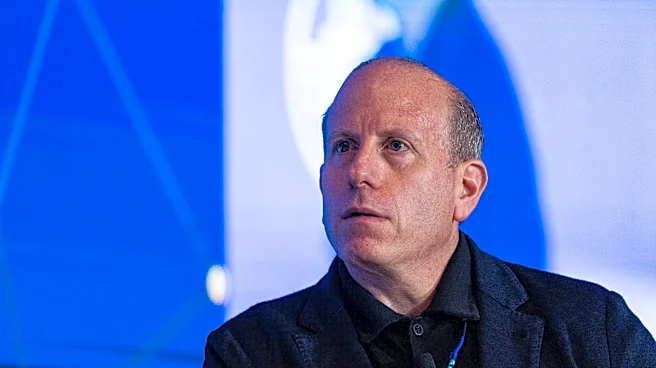
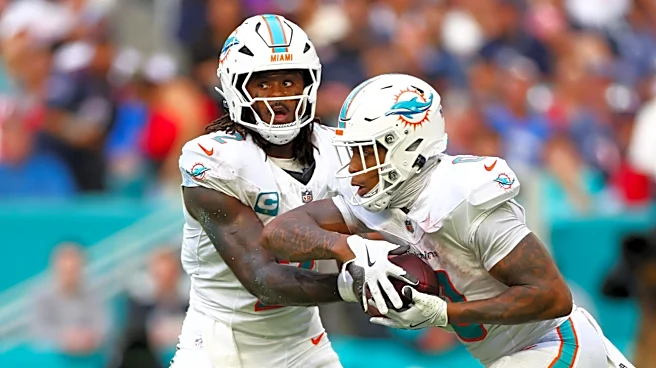
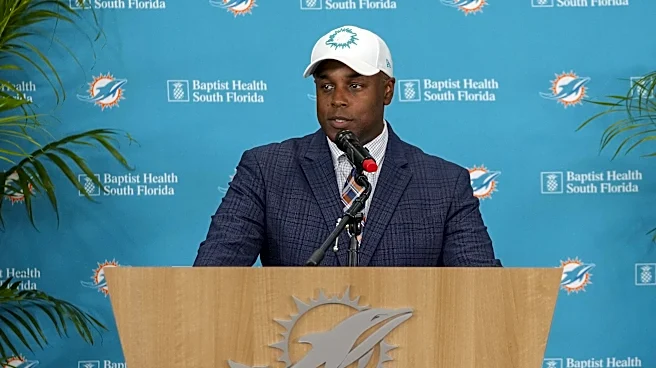
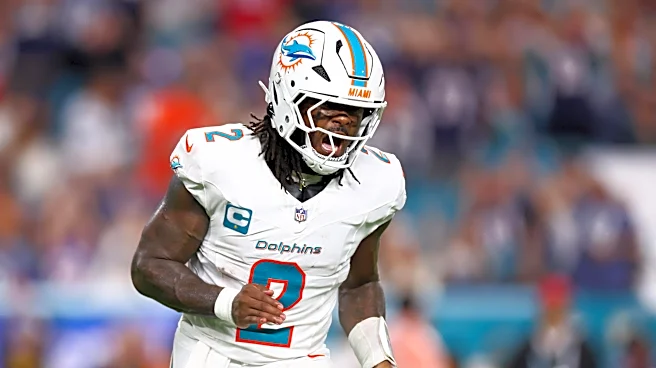
Jean Eric Salata, a Chilean billionaire investor, has acquired a 2.1% minority stake in the Miami Dolphins and its associated businesses, including Hard Rock Stadium, the Formula 1 Miami Grand Prix, and the Miami Open tennis tournament. The NFL owners
approved this deal in October. The entire package of businesses was valued at slightly over $12.5 billion, setting a new record valuation for a minority NFL stake. While the valuation applies to the broader portfolio, the specific purchase price paid by Salata was not disclosed. This investment makes Salata one of the Dolphins' minority partners, with Stephen Ross remaining the controlling owner. Salata's investment follows previous minority stake sales by Ross to other investors, including Xiaomi co-founder Lin Bin, Ares Management, Joe Tsai, and Oliver Weisberg.
Why It's Important?
This transaction underscores the escalating value of U.S. sports properties and the broader entertainment ecosystems built around them. The record-setting $12.5 billion-plus valuation for the Dolphins' portfolio, which includes a major stadium and international sporting events, highlights the significant financial appeal of these assets to global investors. For Jean Eric Salata, this deal represents an expansion of his investment portfolio into prominent U.S. sports, adding to a career built in finance across the United States and Asia. The increasing valuations suggest a robust market for sports franchises and their ancillary businesses, potentially driving up future investment costs and reflecting a strong belief in the long-term profitability of these ventures. This trend could influence how other sports teams and their owners structure their assets and seek investments.
What's Next?
The continued high valuation of sports franchises and related entertainment assets suggests that similar minority stake sales or larger investment deals could become more common across the NFL and other major U.S. sports leagues. This trend may lead to increased scrutiny from league officials regarding ownership structures and valuations. For the Miami Dolphins organization, the influx of capital and the strategic partnerships with investors like Salata could support further development of Hard Rock Stadium and the expansion of its international sporting events. Future transactions will likely continue to reflect the growing financial interest in the integrated business models that combine sports teams with their venues and events.
Beyond the Headlines
The investment by Jean Eric Salata in the Miami Dolphins and its associated businesses reflects a broader shift in how sports franchises are perceived and valued, moving beyond mere athletic teams to comprehensive entertainment and real estate enterprises. The integration of Hard Rock Stadium, the Formula 1 Miami Grand Prix, and the Miami Open tennis tournament into a single investment package highlights a strategy to diversify revenue streams and enhance the overall value proposition. This approach could set a precedent for other sports organizations to bundle their assets, attracting a wider range of global investors interested in diversified portfolios. The involvement of international billionaires like Salata also underscores the global appeal of U.S. sports and the increasing interconnectedness of global finance with American cultural institutions.