


What's Happening?
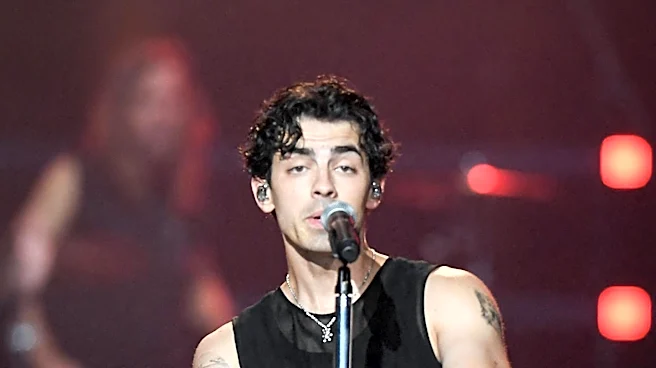
During a Jonas Brothers concert in San Francisco on November 21, 2026, Joe Jonas addressed a fan who repeatedly touched him while he was performing in the audience. While singing the 2025 track “Backwards,” Jonas approached a specific fan, but another
fan to her left reached out and touched him multiple times, including caressing his face. Joe Jonas responded by saying, “Let’s not do that, honey!” Security personnel intervened to remove the fan’s hand. Despite the interruption, Jonas continued his performance, singing to the intended fan and later hugging her. The incident occurred during The Burning Up Tour: All Over Again, which commenced on August 20, 2026, and is scheduled to conclude on December 22, 2026. This tour revisits the band's 2008-2009 era, named after their 2008 hit “Burnin’ Up.” The Jonas Brothers have seen a resurgence in the 2020s, with their latest album, 'Greetings From Your Hometown,' reaching No. 6 on the Billboard 200 in 2025. They are expected to release a new album in 2027 and a new single, “Listen When Sad,” in August 2026, signaling a return to their signature pop-rock sound.
Why It's Important?
This incident highlights the ongoing discussion surrounding fan boundaries and performer safety in the entertainment industry. While artists often engage with their audience, the expectation of personal space and consent remains crucial. The swift and clear response from Joe Jonas, coupled with security intervention, underscores the importance of establishing and enforcing these boundaries to ensure a safe environment for both performers and fans. The mixed reactions from fans, with some applauding Jonas for setting boundaries and others questioning his decision to enter the crowd, reflect differing perspectives on fan-artist interactions. This event could influence how artists and venues manage audience engagement during live performances, potentially leading to stricter protocols or clearer communication regarding appropriate fan behavior. For the Jonas Brothers, who have made a significant comeback in the 2020s, maintaining a positive public image and ensuring the well-being of their members is vital for their continued success and fan loyalty.
What's Next?
The Jonas Brothers will continue their 'Burning Up Tour: All Over Again,' which is set to conclude on December 22, 2026, in Newark, New Jersey. Following the tour, the band is anticipated to release a new album in 2027, preceded by a new single, “Listen When Sad,” in August 2026. This upcoming music is expected to mark a return to their characteristic pop-rock sound. The incident in San Francisco may prompt further discussions within the music industry regarding fan interaction policies and security measures at concerts. Artists and event organizers might review existing guidelines or implement new strategies to prevent similar occurrences, ensuring both performer safety and an enjoyable experience for the audience. Fans' reactions to such incidents could also shape future fan engagement practices, with a potential emphasis on respecting personal space during live performances.
Beyond the Headlines
The incident involving Joe Jonas and a fan touches upon broader societal norms regarding personal space and consent, even in public and high-energy environments like concerts. It raises questions about the perceived accessibility of celebrities and the responsibilities of fans to respect boundaries. The mixed fan reactions highlight a cultural tension between the desire for intimate fan-artist connections and the necessity of personal safety and professional conduct. This event could contribute to a larger conversation about digital etiquette translating into real-world interactions, especially given the prevalence of social media and the blurring lines between public and private personas. Furthermore, it underscores the emotional labor involved in public-facing professions, where individuals are expected to maintain composure and professionalism even when faced with uncomfortable or inappropriate behavior. The entertainment industry may increasingly need to address these issues through clearer guidelines and educational campaigns for both artists and their audiences.