









What's Happening?
On Wednesday, President Trump announced the termination of the ceasefire agreement with Iran, leading to a significant spike in oil prices. West Texas Intermediate crude rose from $70 to $74 per barrel, while Brent crude increased to approximately $78.
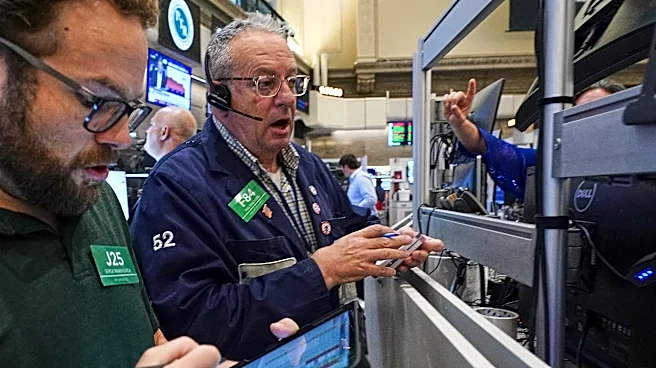
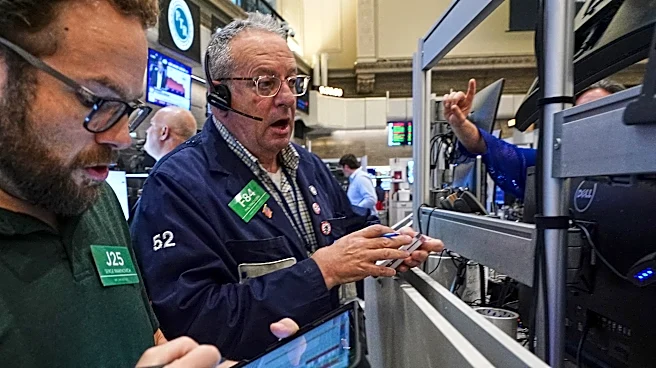
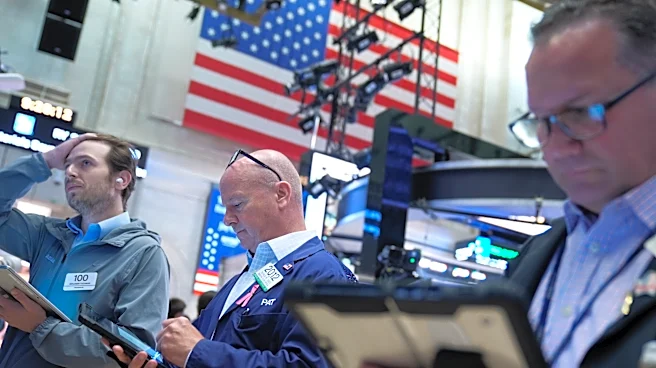
This development has had a notable impact on the bond market, with Treasury yields rising as traders anticipate potential Federal Reserve interest rate hikes due to concerns about sustained inflation. The 10-year Treasury yield climbed to about 4.58%, nearing its previous high in May. The increase in energy prices, coupled with higher interest rates, has negatively affected cyclical stocks, particularly in the materials, consumer discretionary, and financial sectors. However, AI stocks, including Nvidia, saw a rebound after recent declines, partly due to reports that China may allow limited purchases of Nvidia's H200 chips.
Why It's Important?
The termination of the ceasefire with Iran and the subsequent rise in oil prices could have far-reaching implications for the U.S. economy and global markets. Higher oil prices can lead to increased costs for businesses and consumers, potentially driving inflation. This situation may compel the Federal Reserve to consider raising interest rates to curb inflation, which could further impact economic growth. The bond market's reaction, with rising Treasury yields, reflects these concerns. Additionally, the potential for Nvidia to re-enter the Chinese market, despite previous setbacks, highlights the ongoing geopolitical tensions affecting tech companies. The developments underscore the interconnectedness of geopolitical events, energy markets, and economic policies, influencing investor sentiment and market dynamics.
What's Next?
The market will closely monitor any further developments regarding the U.S.-Iran relations and their impact on oil prices. Investors will also watch for any official confirmation from Nvidia regarding its potential sales in China, which could influence the company's stock performance. The Federal Reserve's response to inflationary pressures will be critical, as any decision to adjust interest rates could have significant implications for the broader economy. Stakeholders, including businesses and policymakers, will need to navigate these uncertainties, balancing geopolitical risks with economic strategies.