






What's Happening?
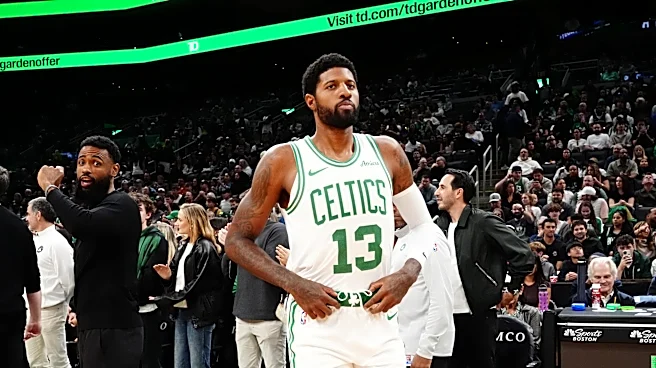
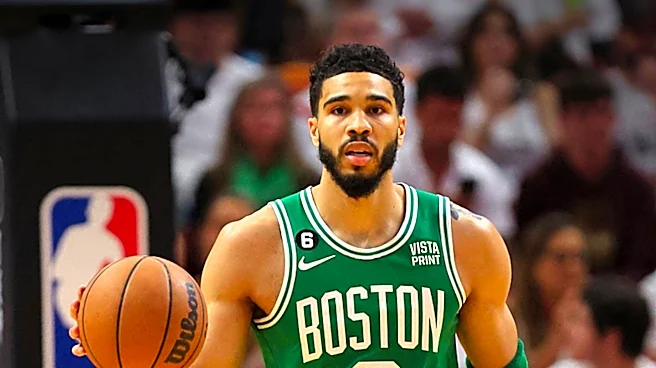
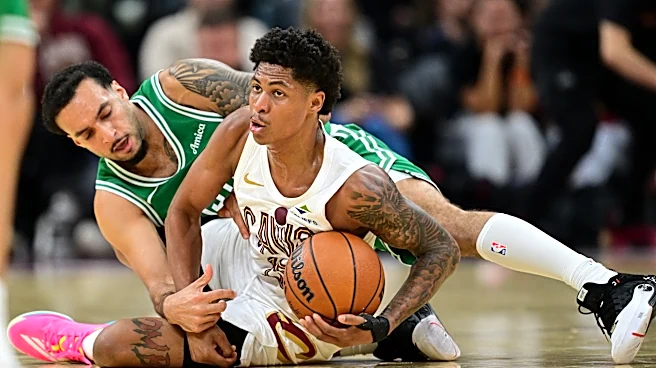
The Boston Celtics franchise is currently valued at $8 billion, positioning them as the 7th-highest-valued team in the NBA, according to Sportico's latest analysis. This represents a slight decrease from their 5th-highest valuation in 2025 and 6th in 2024.
The Celtics' valuation trails several other prominent franchises, including the Golden State Warriors ($14.5 billion), New York Knicks ($12.8 billion), Los Angeles Lakers ($12.5 billion), Los Angeles Clippers ($8.2 billion), Chicago Bulls ($8.1 billion), and Miami Heat ($8.05 billion). A significant reason for this lower valuation compared to some other top teams is the Celtics' lack of ownership over their home arena, TD Garden. Unlike many of the higher-valued franchises, the Celtics do not control in-arena operations, hospitality, or luxury suite revenue, which are substantial income streams for teams that own their venues. The TD Garden, the 7th-oldest arena in the NBA, is owned by Delaware North, which also operates the Boston Bruins.
Why It's Important?
The valuation of sports franchises has significant implications for their financial stability, market influence, and ability to attract top talent. For the Boston Celtics, a lower valuation compared to their peers, particularly those with less on-court success, highlights a potential structural disadvantage. The inability to control arena-related revenues means the Celtics miss out on substantial income that could be reinvested into the team, facilities, or fan experience. This financial constraint could impact their long-term competitiveness in the increasingly lucrative NBA market. While the team's current ownership has expressed a preference to remain at TD Garden, emphasizing fan and player experience, the financial benefits of arena ownership are clear. This situation underscores a broader trend in professional sports where owning and operating venues has become a critical component of a franchise's overall value and economic power, influencing everything from player salaries to marketing reach.
What's Next?
Celtics majority owner Bill Chisholm has indicated a preference for the team to remain at TD Garden, provided that improvements can be made to enhance the fan and player experience. He stated that if staying at the current location works, they would prefer it, but if not, they would consider other options. Chisholm has previously emphasized the importance of having an arena consistent with the Celtics' quality and excellence. While there is a commitment with the Bruins and Delaware North to make the current arrangement work, the long-term financial implications of not owning their arena may continue to be a point of discussion. The team's leadership will likely continue to evaluate strategies to maximize revenue and maintain competitiveness, which could include future negotiations regarding arena operations or, potentially, the exploration of building their own facility if current arrangements prove insufficient to meet their financial and experiential goals.
Beyond the Headlines
The discussion around the Celtics' arena ownership extends beyond mere financial figures; it touches upon the evolving business model of professional sports franchises. In modern sports, teams are increasingly becoming comprehensive entertainment entities, with their venues serving as central hubs for diverse revenue streams, including concerts, events, and premium hospitality. The Celtics' situation illustrates how traditional arrangements, where a team is a tenant rather than an owner, can limit a franchise's growth potential and market leverage. This dynamic can influence a team's brand identity, its ability to control the fan experience, and its capacity to innovate. The ongoing debate about whether to build a new arena or significantly upgrade the existing one reflects a strategic crossroads for the franchise, balancing historical ties and fan sentiment with the imperative of modern business practices in a highly competitive sports landscape. The outcome could set a precedent for other teams in similar situations, highlighting the critical link between infrastructure control and sustained success.