






What's Happening?
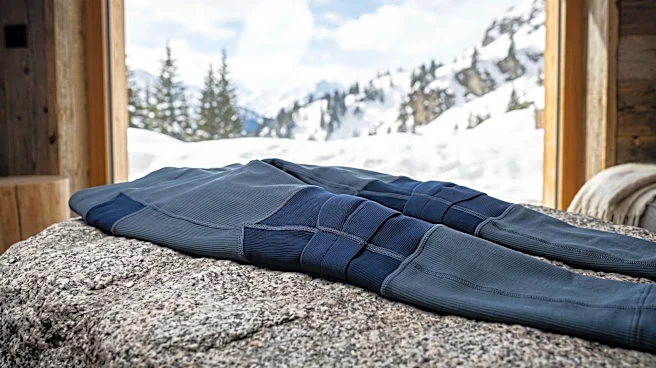
Michael Decker, PhD, an engineer, developed Opedix directional compression ski base layers, now available through SYNC Performance. The design originated from biomechanics research in Vail, Colorado, focusing on providing support through clothing that
remains comfortable. Unlike conventional braces or compression sleeves, Opedix garments use fabrics with varying resistance to stretch and strategically placed support bands around the hips, legs, and knees. This 'directional compression' aims to influence body movement and provide neuromuscular system boundaries for knee function, rather than simply constricting. Early testing involved ski instructors, and subsequent studies with collegiate racers showed changes in posture, reduced knee loading, and altered quadriceps muscle activation, redistributing effort from the knees to the hips during turns. A larger two-season study involving 341 professional instructors at Rocky Mountain ski areas indicated a 77.8% lower overall injury risk in the Opedix-only condition compared to a control group, with fewer reported knee injuries.
Why It's Important?
The development and documented benefits of Opedix ski base layers represent a significant advancement in sports apparel, particularly for the U.S. skiing industry and recreational skiers. By potentially reducing fatigue and injury risk, these garments could extend ski days for enthusiasts, improve performance for athletes, and enhance safety for professionals like ski instructors. The focus on redistributing muscular demands and supporting the neuromuscular system offers a novel approach to injury prevention, moving beyond traditional bracing methods. This could lead to fewer ski-related injuries, which in turn could reduce healthcare costs and lost income for individuals. For businesses in the ski apparel market, this technology could set a new standard for performance-enhancing and protective gear, driving innovation and competition. The findings also highlight the importance of scientific research in developing practical solutions for sports-related challenges, benefiting a wide range of stakeholders from manufacturers to consumers.
What's Next?
The continued adoption and further research into Opedix directional compression technology could lead to its broader integration within the U.S. ski community. As more skiers experience the reported benefits of reduced fatigue and injury risk, demand for such specialized base layers is likely to grow. This could prompt other sports apparel companies to invest in similar biomechanics-driven designs, fostering innovation across the industry. Future studies might explore the long-term effects of wearing these garments, their efficacy across different skiing disciplines, and their potential application in other high-impact sports. Additionally, the success of Opedix could influence how athletes and coaches approach training and injury prevention, emphasizing the role of supportive apparel as a complement to physical conditioning. The collaboration between researchers and manufacturers, as exemplified by Decker's journey, is likely to continue, pushing the boundaries of sports technology.
Beyond the Headlines
The innovation behind Opedix base layers extends beyond mere physical support; it delves into the intricate relationship between apparel, biomechanics, and the human body's neuromuscular system. This approach challenges the conventional understanding of compression wear by focusing on directional support rather than uniform constriction, aiming to optimize natural movement patterns and reduce strain. Ethically, the potential for significant injury reduction raises questions about the responsibility of sports equipment manufacturers to integrate such advancements into their products. Culturally, if widely adopted, these garments could subtly shift perceptions of 'ski fitness,' emphasizing not just strength and endurance but also the role of intelligent apparel in enhancing performance and safety. This development also underscores a broader trend in sports science where technology is increasingly used to work synergistically with the body's natural mechanisms, rather than simply overriding them, paving the way for more sophisticated and body-friendly athletic gear.