






What's Happening?
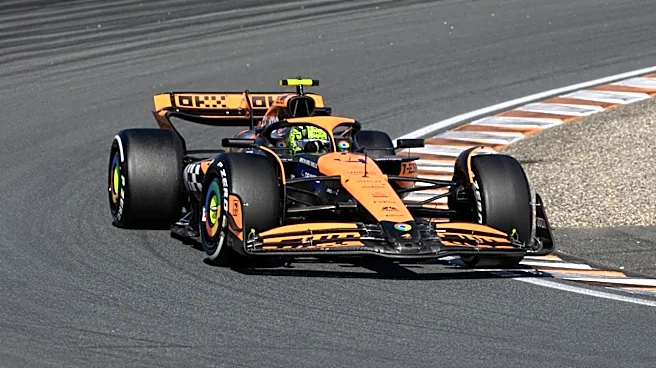
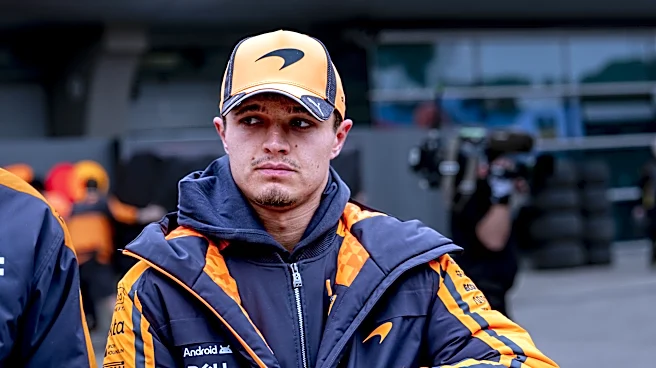
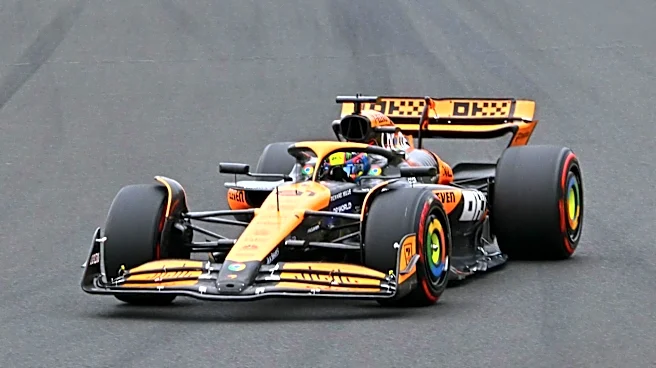
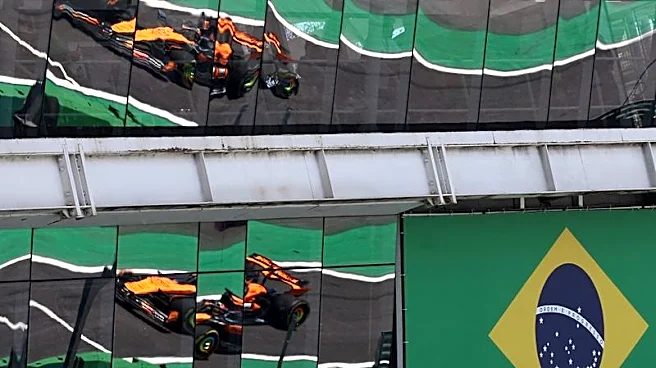
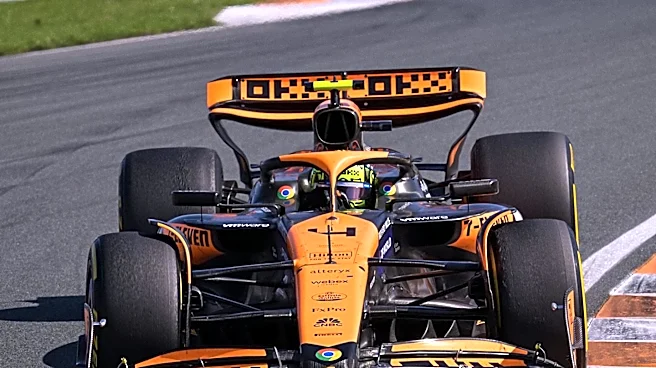
McLaren driver Lando Norris expressed surprise at his team's strong performance during the practice sessions for the Brazilian Grand Prix, where he set the fastest time in the first practice and was second fastest in the second. McLaren arrived in Brazil with
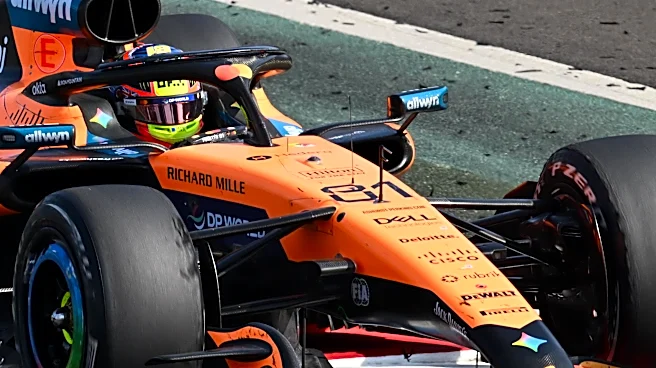
significant upgrades, including a new front wing, rear wing, additional wing above the gearbox, and underbody. Norris noted that while the aim of these improvements is to make the race car faster, it doesn't automatically mean it will be easier to drive. He described the second practice session as more challenging but acknowledged that McLaren is holding its own, with Mercedes slightly ahead.
Why It's Important?
McLaren's performance with its new upgrade package is crucial for its competitive standing in Formula 1. The team's decision to introduce substantial updates in Brazil indicates a strategic push to improve car performance and gather data for future development, particularly for the 2027 season. A successful implementation of these upgrades could significantly boost McLaren's position in the constructors' championship and provide valuable insights into their aerodynamic development direction. For Norris, a strong showing in Brazil could help regain momentum after a series of less favorable results, reinforcing his role as a key driver for the team and potentially influencing future contract negotiations.
What's Next?
McLaren will continue to evaluate the performance of its new Evo package throughout the Brazilian Grand Prix weekend, gathering data from qualifying and the race. The team will analyze how the upgrades perform under different conditions and on other circuits in subsequent races. Norris and his team will aim to translate their strong practice performance into a competitive qualifying session and a points-scoring race finish. The insights gained from this weekend will inform McLaren's development strategy for the remainder of the current season and provide a foundation for their 2027 car design.
Beyond the Headlines
McLaren's aggressive upgrade strategy in Brazil highlights the relentless development race in Formula 1. Teams constantly push the boundaries of engineering and aerodynamics to gain even marginal advantages. This continuous innovation drives technological advancements that can sometimes trickle down into broader automotive industries. The challenge of making a car faster without necessarily making it easier to drive also underscores the complex interplay between engineering design and driver skill, emphasizing that raw speed is only one component of success. The team's focus on gathering data for future seasons demonstrates the long-term strategic planning inherent in top-tier motorsport, where immediate results are balanced with future competitiveness.