




What's Happening?
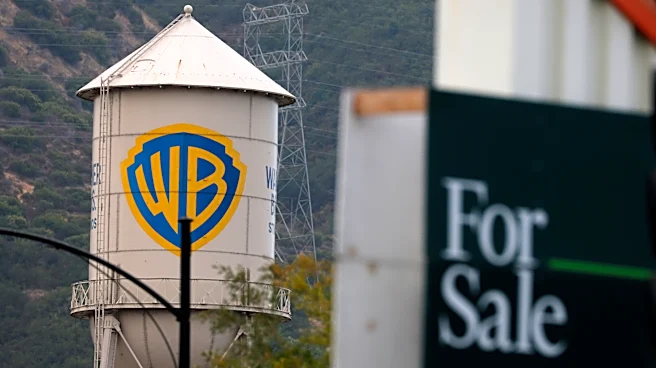
The potential acquisition of CNN by the Ellison family, who have already acquired CBS, is raising concerns about the increasing control of U.S. media by a small group of wealthy individuals. The Ellison family, with Ellison's son nominally in charge of Paramount,
is reportedly interested in acquiring Warner, which would include CNN. This move is seen as part of a broader trend where billionaires are exerting significant influence over media outlets, potentially altering their editorial direction. The acquisition of CBS and the hiring of Bari Weiss have already sparked fears of a shift in the network's content. The broader context involves a few wealthy individuals wielding substantial power over the media landscape, which could impact the diversity and independence of news reporting in the U.S.
Why It's Important?
The potential takeover of CNN by the Ellison family underscores the growing influence of oligarchs in the U.S. media industry. This trend raises concerns about the concentration of media ownership and its implications for democracy. With a few individuals controlling major news outlets, there is a risk of biased reporting that serves the interests of these owners rather than the public. This could lead to a homogenization of viewpoints and a reduction in the diversity of perspectives available to the public. The influence of wealthy individuals on media content could also affect public opinion and policy, as media plays a crucial role in shaping societal narratives and informing citizens.
What's Next?
If the acquisition proceeds, CNN could undergo significant changes in its editorial stance, potentially aligning more closely with the interests of its new owners. This could lead to a shift in the network's reporting style and content, similar to changes observed at CBS following its acquisition. Legal challenges may arise to prevent the takeover, as concerns about media consolidation and its impact on democracy grow. Stakeholders, including media watchdogs and civil society groups, may increase their advocacy efforts to maintain media independence and diversity. The outcome of this potential acquisition could set a precedent for future media ownership battles.
Beyond the Headlines
The broader implications of this potential acquisition extend beyond media ownership. It highlights the increasing power of oligarchs in shaping public discourse and influencing political processes. The concentration of media ownership in the hands of a few could undermine journalistic integrity and the role of the press as a watchdog. This development also raises ethical questions about the role of wealth in democracy and the potential for conflicts of interest when media outlets are owned by individuals with significant political and economic influence. Addressing these challenges may require policy interventions to ensure a diverse and independent media landscape.