







What's Happening?
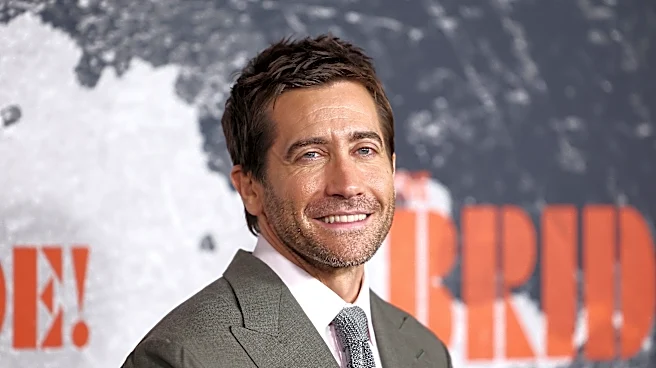
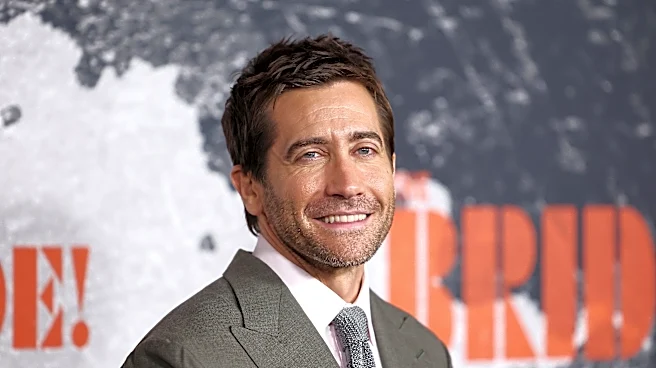
Jake Gyllenhaal's 2004 disaster film, 'The Day After Tomorrow,' has become the number one movie streaming on Netflix in the U.S. The film, directed by Roland Emmerich, depicts extreme global warming effects leading to catastrophic weather events and a new
ice age. Despite its age, the movie has resonated with current audiences, highlighting its enduring message about environmental concerns. The plot follows Paleoclimatologist Jack Hall (Dennis Quaid) as he warns the government about an impending climate shift due to melting ice caps. When his warnings are dismissed, the predicted events unfold rapidly, causing widespread destruction, including tidal floods, tornadoes, and a deep freeze. Gyllenhaal plays Sam Hall, Jack's son, who must survive in treacherous conditions in a snowbound Manhattan while his father attempts a rescue. The film was a financial success, grossing $552 million globally against a $125 million budget, though critical and audience reception was mixed at the time of its release.
Why It's Important?
The resurgence of 'The Day After Tomorrow' on Netflix underscores a continued public interest in climate change narratives, even those presented in a highly dramatized format. Its popularity two decades after its initial release suggests that the film's core message about environmental devastation remains relevant and perhaps even more pressing to contemporary viewers. This renewed attention could spark further discussions about climate change awareness and the potential impacts of environmental neglect. For the entertainment industry, it highlights the long-tail value of films with strong thematic elements, especially when those themes align with current societal concerns. The film's success on a major streaming platform also demonstrates the power of streaming services to reintroduce older content to new generations and reignite interest in past cinematic works, influencing viewing trends and potentially shaping public discourse on critical issues.
What's Next?
The renewed popularity of 'The Day After Tomorrow' on Netflix may lead to increased viewership for other eco-disaster films or content addressing climate change. This could prompt streaming platforms to curate more content related to environmental themes, potentially influencing future production decisions in Hollywood. The film's success might also encourage filmmakers to revisit the disaster genre with a focus on contemporary environmental anxieties, possibly leading to new productions that explore similar themes with updated scientific understanding and cinematic techniques. Furthermore, the film's re-emergence in the public consciousness could contribute to ongoing conversations about climate policy and environmental protection, as its dramatic portrayal of climate consequences serves as a stark, albeit fictionalized, reminder of potential future scenarios. This could indirectly influence public opinion and advocacy efforts related to climate action.
Beyond the Headlines
The enduring appeal of 'The Day After Tomorrow' delves into the psychological impact of disaster narratives and humanity's fascination with apocalyptic scenarios. While the film is often criticized for its scientific inaccuracies and over-the-top execution, its ability to capture public attention years later speaks to a deeper societal anxiety about environmental collapse. It serves as a cultural touchstone, reflecting collective fears about climate change and the potential for rapid, catastrophic shifts in our world. The film's success also highlights the role of popular media in shaping perceptions of complex scientific issues, even if through exaggerated portrayals. It prompts reflection on how fictional narratives can both inform and misinform public understanding, and how the entertainment industry navigates the balance between dramatic storytelling and scientific accuracy when addressing critical global challenges. This phenomenon underscores the power of storytelling to keep important, albeit uncomfortable, topics in the public consciousness.