







What's Happening?
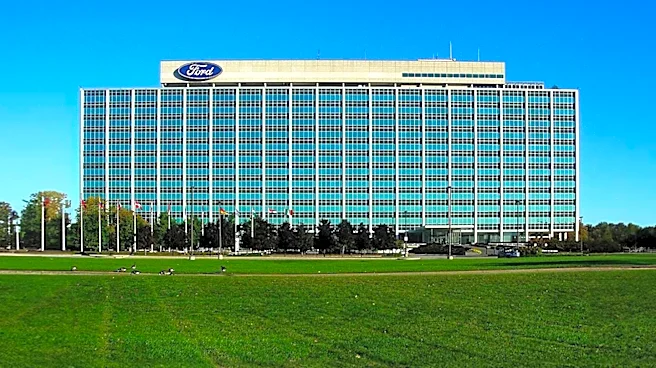
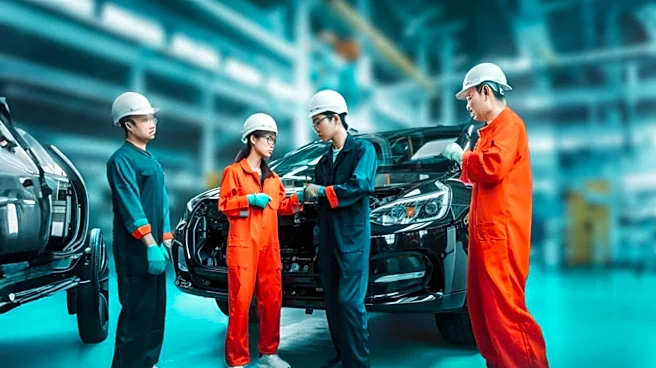
Ford Motor Company has rehired 350 veteran engineers, known as 'greybeards', after facing challenges with artificial intelligence (AI) in its manufacturing processes. The company had previously reduced its workforce by 5,000 since 2020, largely due to automation
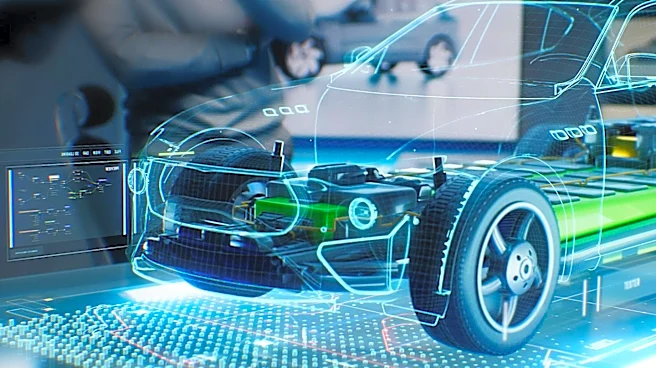
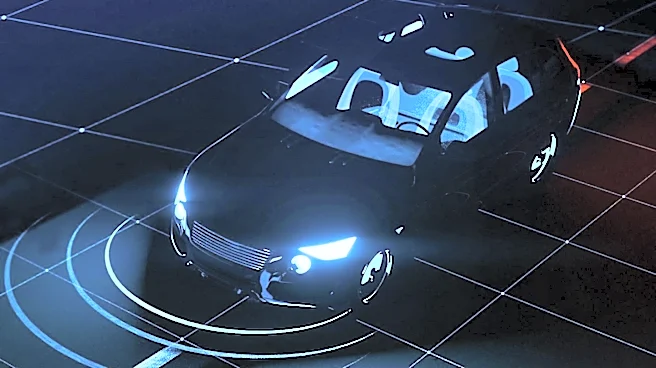
and AI integration. However, the AI systems, particularly the cameras used for design and manufacturing checks, encountered significant pitfalls. According to Charles Poon, Ford's vice president of vehicle hardware engineering, AI is only as effective as the data used to train it. This realization led Ford to bring back experienced engineers to address the shortcomings of AI and enhance the quality of its manufacturing processes.
Why It's Important?
The decision to rehire experienced engineers highlights the limitations of AI in complex manufacturing environments. While AI offers significant potential for efficiency and innovation, Ford's experience underscores the importance of human expertise in ensuring quality and reliability. This move could influence other companies to reassess their reliance on AI and consider the value of human experience in critical operations. The automotive industry, facing rapid technological advancements and competition, particularly from China, may need to balance AI integration with human oversight to maintain product quality and safety.
What's Next?
Ford's strategy may prompt other automakers to evaluate their AI implementations and workforce strategies. As AI technology continues to evolve, companies will need to find a balance between automation and human expertise. Ford's approach could lead to a broader industry trend of integrating AI with human oversight, ensuring that technological advancements do not compromise quality and safety. The company's experience may also influence future AI training and deployment strategies, emphasizing the need for comprehensive data and human input.