



What's Happening?
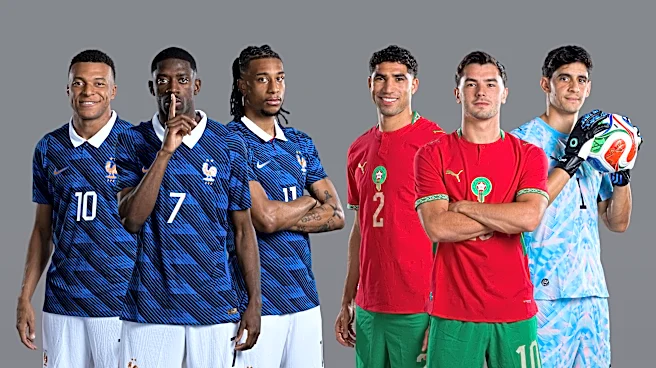
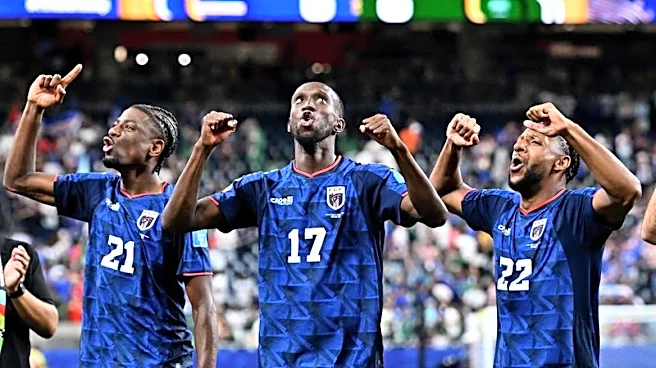
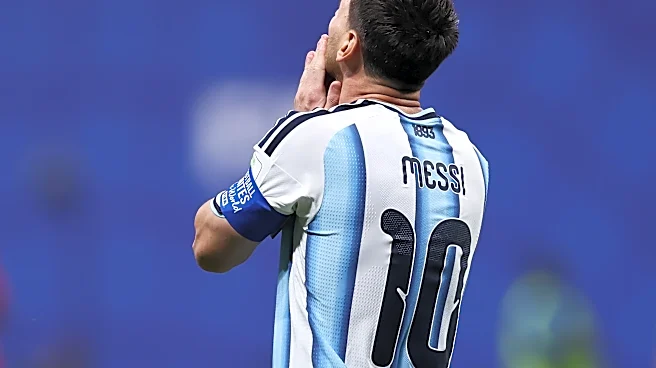
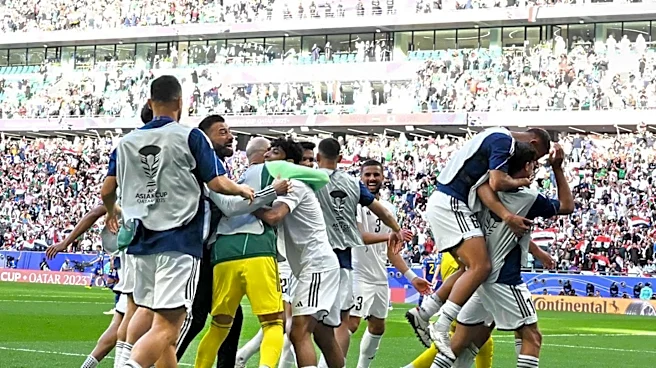
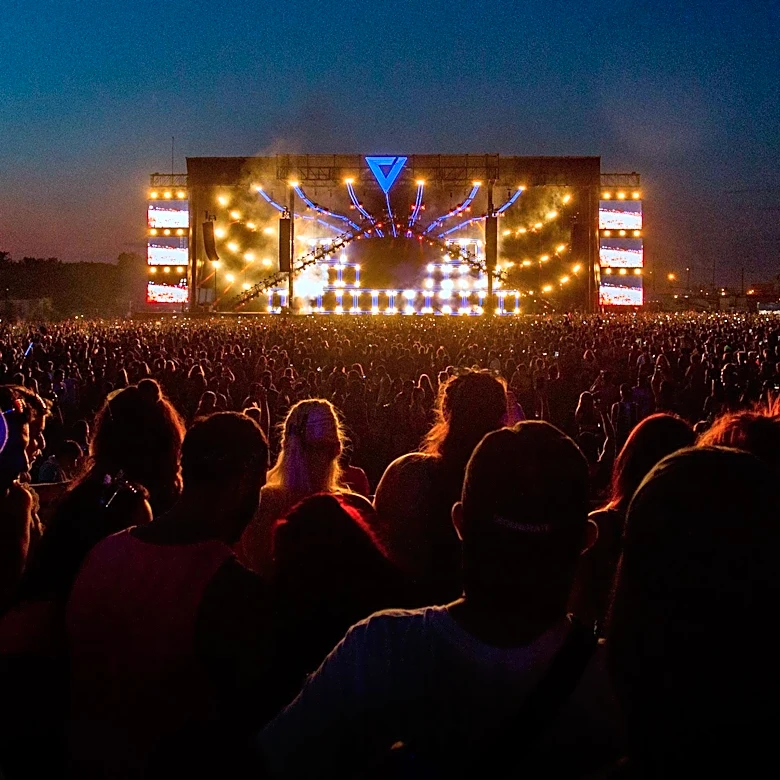
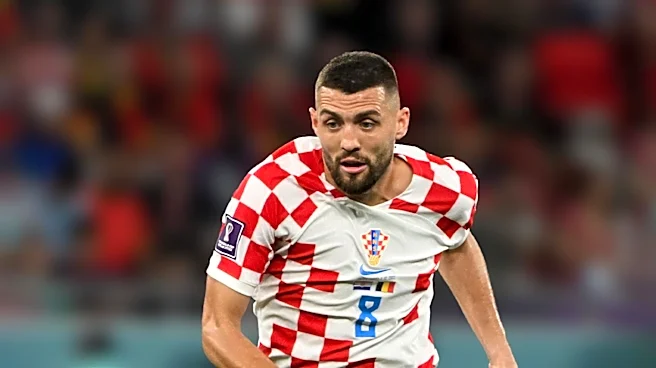
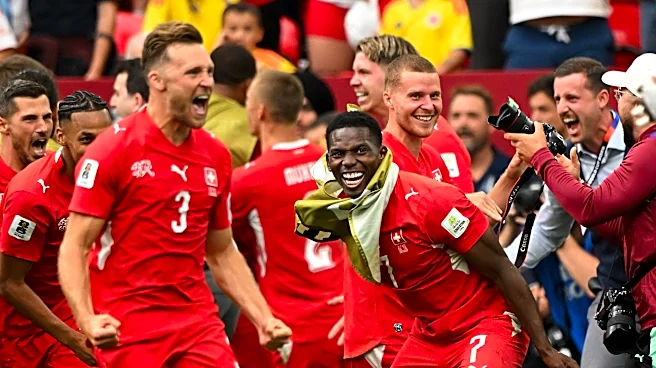
The 2026 FIFA World Cup, hosted across the United States, Canada, and Mexico, has brought a vibrant mix of emotions and cultural exchanges among fans. The tournament has seen fans from various countries, including Brazil, Mexico, and the Netherlands,
creating carnival-like atmospheres in host cities. Despite the excitement, the tournament has also been a source of heartbreak for many, as teams like Brazil faced elimination. Fans who couldn't attend in person gathered at watch parties, experiencing the highs and lows of the matches. The event has also highlighted cultural traditions, such as Argentine asados and Swedish Midsummer celebrations, shared with local communities.
Why It's Important?
The World Cup is not just a sporting event but a cultural phenomenon that unites people globally. It provides a platform for cultural exchange and showcases the diversity of fan traditions. Economically, the tournament boosts local economies through tourism and related activities. Socially, it fosters a sense of global community and shared experience, transcending national boundaries. The event also highlights the emotional investment of fans, as seen in the passionate support and heartbreak experienced during matches. This cultural and economic impact underscores the significance of the World Cup beyond the sport itself.
What's Next?
As the tournament progresses to the final stages, anticipation builds for the remaining matches. Fans and teams will continue to experience the emotional rollercoaster of victories and defeats. The cultural exchanges and economic benefits will persist, with host cities continuing to welcome international visitors. The conclusion of the World Cup will leave lasting memories and potentially influence future sporting events in terms of fan engagement and cultural integration.