






What's Happening?
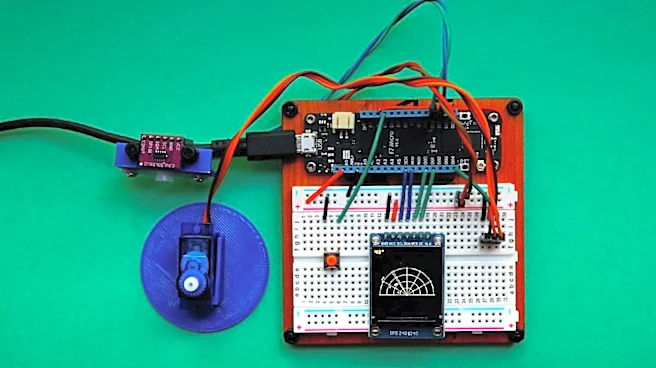
The ongoing memory shortage and rising prices of consumer electronics have made DIY technology projects more appealing, with the Raspberry Pi emerging as a popular choice for cost-effective solutions. The Raspberry Pi, a small, energy-efficient single-board
computer, offers versatility for various projects, including creating a network-attached storage (NAS), a virtual private network (VPN), a video game console, a streaming box, an ad blocker, and a Mastodon server. These projects provide alternatives to expensive commercial products, allowing users to customize and control their technology while saving money.
Why It's Important?
The increased interest in Raspberry Pi projects highlights a growing trend towards DIY technology as a response to rising costs in the consumer electronics market. This shift not only empowers individuals to take control of their technology but also fosters innovation and creativity. By utilizing Raspberry Pi for various applications, users can bypass the limitations and costs associated with commercial products, potentially leading to broader adoption of open-source solutions. This trend could also influence the market dynamics of consumer electronics, as companies may need to adapt to the changing preferences of tech-savvy consumers.
What's Next?
As the demand for DIY technology solutions continues to grow, the Raspberry Pi community is likely to expand, with more projects and applications being developed. This could lead to further advancements in open-source software and hardware, providing even more options for consumers seeking affordable and customizable technology. Additionally, the ongoing memory shortage and price hikes in the tech industry may drive more individuals to explore DIY solutions, potentially influencing the strategies of consumer electronics companies as they seek to address these challenges.