




What's Happening?
Scandinavian interior design, traditionally known for its minimalist and neutral color palettes, is undergoing an evolution to incorporate more vibrant and diverse hues. This shift is highlighted by interior designers and color experts who are integrating
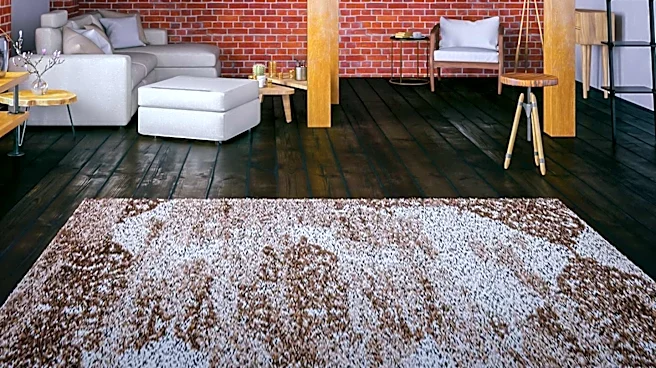
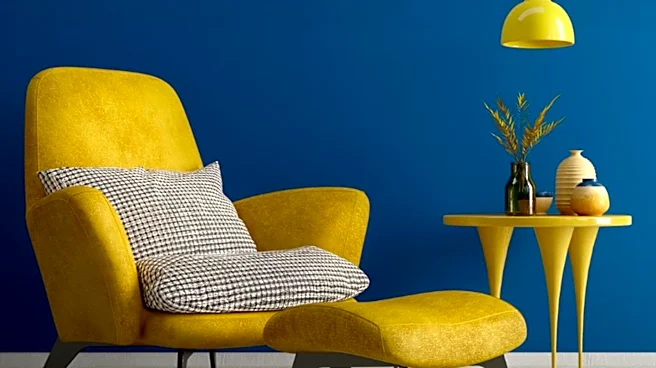
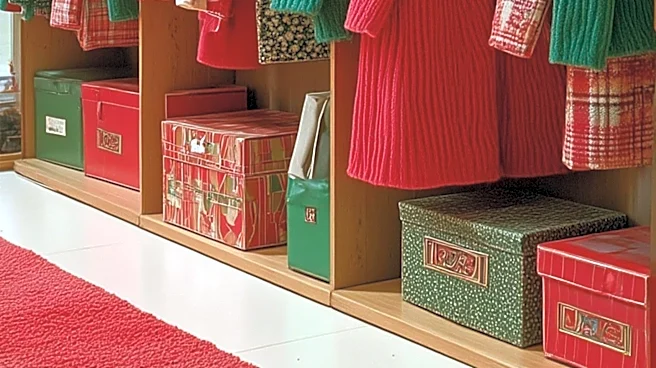
bolder shades into Scandinavian-inspired spaces, focusing on balance and intentionality. The trend moves beyond strict minimalism, introducing richer textures and tones to bring personality and warmth to interiors without sacrificing calm. Approaches include using colorful rugs as focal points, balancing vibrant textiles with neutral backdrops, and utilizing ceilings as canvases for color. Artwork is also serving as inspiration for entire room color schemes, with colors echoed in furniture and textiles to create harmony. This development indicates a broader acceptance of color in a design aesthetic often stereotyped by its subdued nature.
Why It's Important?
This evolution in Scandinavian design is significant for the U.S. interior design and home furnishings industries. It signals a potential shift in consumer preferences, moving away from strictly monochromatic or muted aesthetics towards more expressive and personalized spaces. For retailers and manufacturers, this could mean an increased demand for furniture, textiles, and decor in a wider range of colors and textures, impacting product development and marketing strategies. Designers and architects in the U.S. may find new opportunities to blend the functional and clean lines of Scandinavian design with bolder color choices, catering to clients seeking both modern aesthetics and individual expression. This trend also reflects a broader cultural movement towards more joyful and uplifting home environments, potentially influencing how Americans approach home decor and personal style.
What's Next?
The integration of color into Scandinavian design is likely to continue, with designers exploring new ways to combine traditional elements with modern color palettes. We can expect to see more collections from home furnishing brands that feature vibrant hues and varied textures, moving beyond the conventional white, gray, and beige. Consumers may be encouraged to experiment more with color in their own homes, leading to a more diverse and personalized interior landscape. Educational resources and design publications will likely showcase examples and guides on how to effectively incorporate color into Scandinavian-inspired spaces. This trend could also influence other design movements, fostering a cross-pollination of ideas that further blurs the lines between different aesthetic categories, ultimately offering more choices and creative freedom to consumers and designers alike.
Beyond the Headlines
The shift in Scandinavian design towards color reflects a deeper cultural dynamic where aesthetics are increasingly intertwined with well-being and personal expression. In a world often characterized by rapid change and uncertainty, home environments are becoming sanctuaries that reflect individual identity and provide comfort. The introduction of color, while maintaining the core principles of functionality and craftsmanship, allows for a more emotionally resonant space. This evolution challenges the notion that minimalism must equate to austerity, suggesting instead that thoughtful design can be both simple and vibrant. It also highlights the adaptability of design philosophies, demonstrating how they can evolve to meet contemporary needs and desires while retaining their fundamental essence. This could lead to a broader re-evaluation of what 'minimalism' truly means in modern living.