









What's Happening?
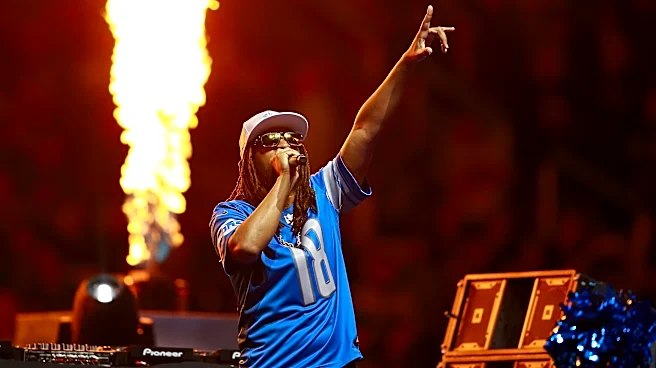
Anderson Cooper has been involved in various discussions concerning grief, acceptance, and activism, as highlighted by a compilation of his interviews. He spoke with rapper Lil Jon about the accidental drowning of his 27-year-old son, Nathan, in February
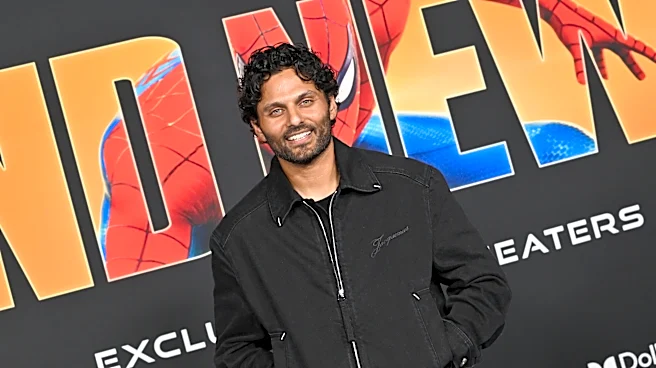
2026. Cooper also interviewed Sheryl Sandberg, who, after the sudden death of her husband Dave Goldberg in 2015, initially believed she would not find love again. Additionally, he discussed with musician Nick Cave how the loss of two of his sons has changed him over time. Jamie Wooten, a former sitcom writer for 'The Golden Girls,' also shared his experience of grieving his husband's death with Cooper. These conversations delve into personal journeys of coping with loss and finding acceptance.
Why It's Important?
These interviews underscore the significant role of public figures like Anderson Cooper in facilitating open conversations about sensitive topics such as grief and loss. By providing a platform for individuals like Lil Jon, Sheryl Sandberg, Nick Cave, and Jamie Wooten to share their personal experiences, Cooper helps normalize discussions around bereavement, which can be profoundly isolating. This contributes to a broader societal understanding of the grieving process and offers solace and connection to others who may be experiencing similar pain. Such dialogues are crucial for fostering empathy and building a more supportive community around mental and emotional well-being.
What's Next?
The ongoing engagement of journalists like Anderson Cooper in exploring themes of grief and human resilience suggests a continued focus on personal narratives that resonate deeply with the public. These discussions may inspire further conversations on mental health, support systems for those experiencing loss, and the broader impact of personal tragedies on individuals and their communities. The continued sharing of such stories can contribute to evolving societal attitudes towards grief, encouraging more open expression and support.
Beyond the Headlines
The recurring theme of love, acceptance, and activism in these discussions points to a deeper cultural shift towards acknowledging and processing emotional trauma publicly. The willingness of prominent individuals to share their vulnerabilities, facilitated by interviewers like Cooper, challenges traditional stoicism surrounding grief. This trend can empower others to seek help, engage in activism related to their experiences, and find strength in shared human experiences. It also highlights the evolving role of media in not just reporting news but also in fostering emotional intelligence and community healing.