




What's Happening?
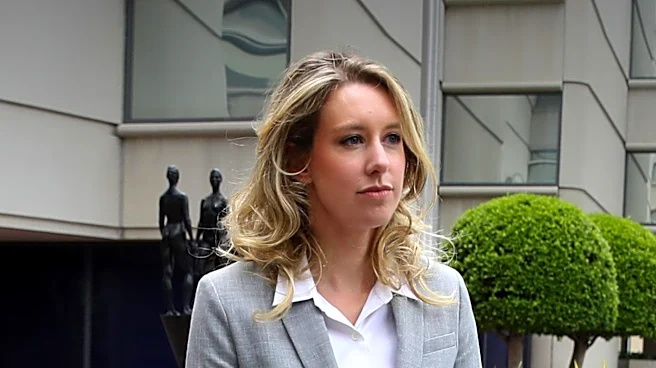
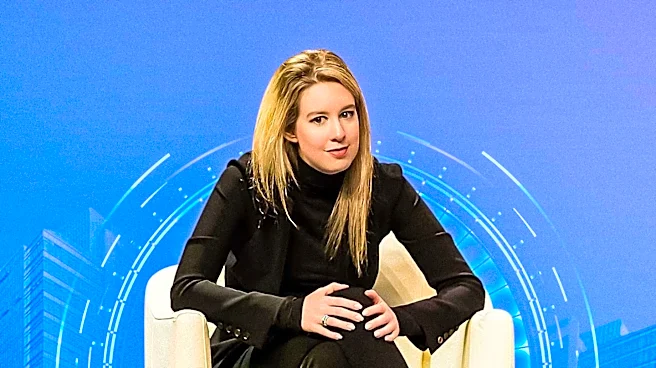
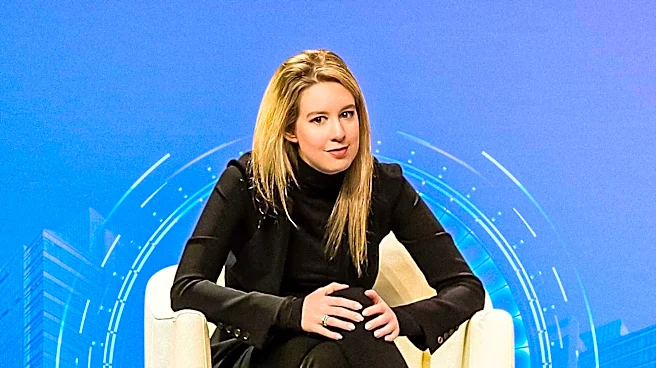
Marc Ostrofsky, an early investor in Theranos, stated that he would consider investing with Elizabeth Holmes again, despite losing his initial $150,000 investment, which had peaked at an estimated $22 million before the company's collapse. Ostrofsky met
Holmes when she was a Stanford sophomore pitching a wearable arm patch device, not the blood-testing technology Theranos later pursued. He recalled her being articulate and intelligent. Holmes was later convicted in January 2022 of one count of conspiracy to commit fraud on investors and three counts of committing fraud on individual investors, involving over $140 million in wire transfers, and was sentenced to 11 years in prison. Federal prosecutors stated that Holmes consistently provided false representations about Theranos's technology and capabilities to investors. Ostrofsky believes Holmes intended to 'fake it till you make it' and thought she would eventually succeed, rather than deliberately swindle people.
Why It's Important?
This perspective from a former investor highlights the complex psychology surrounding investment decisions, particularly in high-growth, innovative sectors. Ostrofsky's continued belief in Holmes, despite her conviction for fraud, underscores the powerful influence of charisma and perceived potential in attracting and retaining investment, even when red flags emerge. The Theranos saga, and Ostrofsky's reaction, serve as a critical case study for understanding investor due diligence, the risks associated with early-stage ventures, and the challenges of discerning genuine innovation from deceptive practices. It also raises questions about accountability and forgiveness in the business world, particularly when significant financial losses are incurred. The case continues to resonate as a cautionary tale about the perils of unchecked ambition and the importance of verifiable claims in technological development.
What's Next?
Elizabeth Holmes is scheduled for release from prison in February 2030, with a potential transition to a community correction center as early as August. Marc Ostrofsky believes she will 'absolutely' make a comeback, likely in the healthcare sector, and expects her to emerge with new ideas. This anticipation of a comeback, even after a high-profile fraud conviction, suggests a continued fascination with Holmes's entrepreneurial drive. The future will reveal whether Holmes can indeed re-enter the business world and if investors will be willing to back her again, given her past. Her potential return could spark renewed debates about rehabilitation, second chances, and the criteria for trust in the investment community, especially concerning individuals with a history of corporate malfeasance.
Beyond the Headlines
Ostrofsky's willingness to reinvest with Elizabeth Holmes delves into deeper societal and psychological implications beyond the immediate financial fraud. It touches upon the human tendency to believe in narratives of genius and disruption, even when evidence points to deception. His statement, 'You don't do what she's doing to swindle everybody, you do it to create something that's worth a fortune,' reflects a common rationalization that can overlook ethical boundaries in pursuit of groundbreaking success. This perspective also highlights the media's role in building up and tearing down public figures, influencing perceptions of guilt and innocence. The Theranos story, through Ostrofsky's lens, becomes a commentary on the cult of personality in Silicon Valley, the pressure to deliver on ambitious promises, and the fine line between visionary entrepreneurship and outright fraud. It prompts reflection on how society evaluates ambition, failure, and redemption in the context of high-stakes innovation.