










What's Happening?
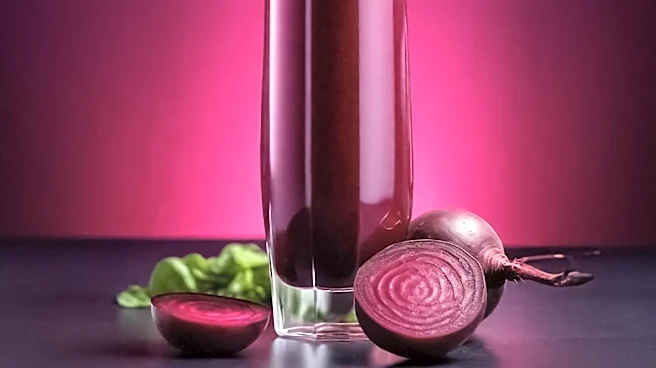
Beetroot juice is gaining traction among athletes and health enthusiasts due to its potential benefits in enhancing physical performance and lowering blood pressure. Research led by Andy Jones, an exercise physiologist at the University of Exeter, highlights
that beetroot is a natural source of nitrate, which the body converts into nitric oxide. This conversion helps widen blood vessels, improving blood flow and oxygen delivery to muscles. Studies have shown that beetroot juice can extend exercise endurance, as demonstrated in trials where athletes cycled longer after consuming the juice. The International Olympic Committee recognizes nitrate as one of the few supplements with strong evidence of performance benefits. Additionally, beetroot juice may lower blood pressure, offering a natural alternative to medication for some individuals.
Why It's Important?
The increasing popularity of beetroot juice underscores a growing interest in natural supplements for health and athletic performance. For athletes, the juice offers a legal and natural means to potentially enhance endurance and performance, which could influence training and competition strategies. For the general public, particularly those with hypertension, beetroot juice presents a dietary option to help manage blood pressure, potentially reducing reliance on medication. However, individuals with low blood pressure or diabetes should exercise caution due to possible side effects. The trend also reflects a broader shift towards plant-based and functional foods in health and wellness sectors.
What's Next?
As interest in beetroot juice continues to rise, further research is likely to explore its benefits and limitations more comprehensively. This could lead to more targeted recommendations for its use in sports and health contexts. Additionally, the food and beverage industry may respond by developing new products that incorporate beetroot or similar nitrate-rich ingredients. Public health campaigns might also consider promoting beetroot juice as part of a balanced diet for managing blood pressure. Ongoing studies will be crucial in validating anecdotal claims and understanding the full scope of beetroot juice's effects.
Beyond the Headlines
The trend towards beetroot juice highlights a cultural shift towards natural and functional foods, reflecting a growing consumer preference for health products with scientific backing. This movement may influence agricultural practices, with increased demand for beetroot and other nitrate-rich crops. Ethically, the promotion of beetroot juice raises questions about accessibility and affordability, as not all consumers may have equal access to these health products. Long-term, the popularity of such natural supplements could drive innovation in the food industry, leading to new products that cater to health-conscious consumers.