






What's Happening?
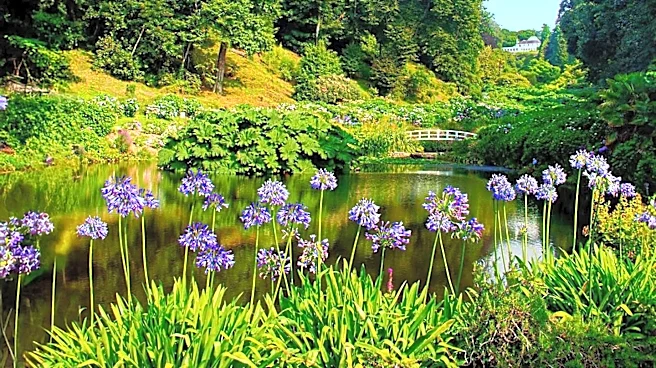
Purple-colored plants have become a favorite among British gardeners, with species like lavender, salvias, and catmint leading the trend. This shift towards vibrant, naturalistic planting styles reflects a move away from traditional garden designs dominated
by decking and lawns. The Royal Horticultural Society's research indicates that purple is the most preferred color among garden visitors, appreciated for its aesthetic appeal and calming effects. Garden designers note that purple plants not only enhance visual appeal but also attract pollinators, contributing to ecological richness in gardens.
Why It's Important?
The growing preference for purple plants highlights a broader trend towards more natural and ecologically friendly garden designs. This shift can have positive implications for biodiversity, as gardens with diverse plant species support a wider range of pollinators and wildlife. The calming qualities associated with purple hues also suggest potential benefits for mental well-being, making gardens more than just aesthetic spaces but also therapeutic environments. This trend may influence future garden designs in public and private spaces, promoting sustainable and health-conscious landscaping practices.