


What's Happening?
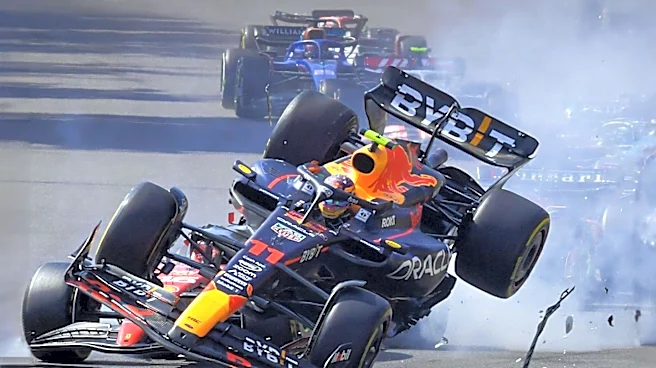
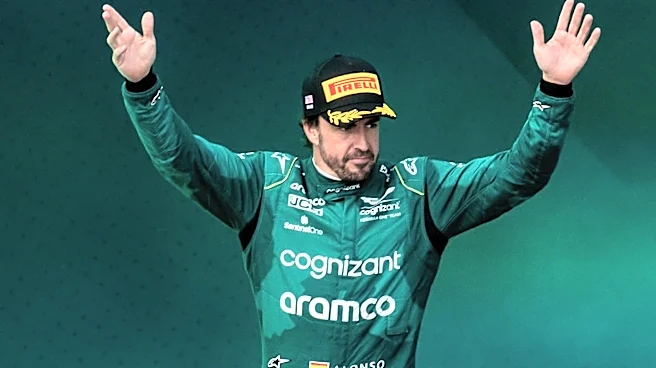
Fernando Alonso, a two-time Formula 1 world champion, has publicly criticized the driving standards of the bottom third of the F1 grid, asserting that these drivers exhibit a 'lack of talent.' These comments followed a collision with Williams' Alex Albon
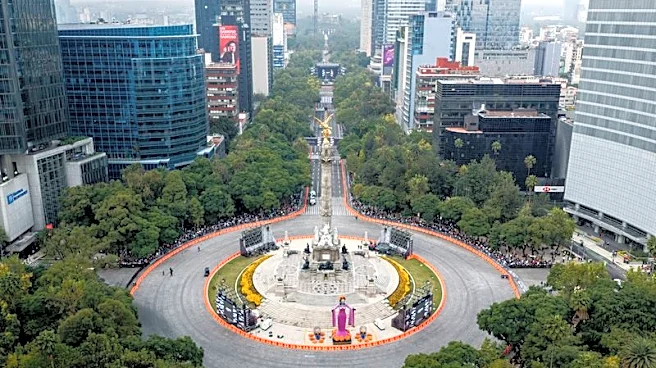
during the United States Grand Prix. Alonso maintained his stance ahead of the Mexico City Grand Prix, stating that if he were a team principal, he would be unhappy with drivers making repeated mistakes and having frequent first-lap crashes. He contrasted this with top drivers like Max Verstappen and Lewis Hamilton, who can recover from starting at the back. However, other drivers, including Alex Albon and Pierre Gasly, have disagreed with Alonso's assessment. Albon, who was involved in the incident with Alonso, expressed respect for Alonso but stated he does not agree with the criticism, arguing that the current F1 grid has a strong level of talent throughout and that 'pay drivers' are no longer prevalent. Gasly echoed this sentiment, suggesting the overall driving standard in F1 has improved over the years.
Why It's Important?
Alonso's comments highlight a potential point of contention and debate within the highly competitive world of Formula 1 regarding driver skill and the perceived quality of the grid. While Alonso, a veteran driver, suggests a decline in standards among certain competitors, the counter-arguments from younger drivers like Albon and Gasly indicate a belief that the current F1 talent pool is robust and more meritocratic than in previous eras. This discussion could influence how teams evaluate driver talent, potentially impacting career trajectories for aspiring F1 drivers and the strategies employed by teams in driver selection. The debate also touches upon the financial aspects of F1, with Albon's mention of the absence of 'pay drivers' suggesting a shift towards a more performance-based selection process, which could have long-term implications for the sport's accessibility and competitive balance. The differing perspectives underscore the intense pressure and scrutiny drivers face at the pinnacle of motorsport.
What's Next?
The debate initiated by Fernando Alonso is likely to continue within the Formula 1 paddock and among fans, especially as the season progresses and similar on-track incidents occur. While Alonso has confirmed his intention to stay in F1 with Aston Martin in 2027, his outspoken nature means further comments on driver standards are possible. The differing opinions from other drivers suggest that there isn't a consensus on this issue, and it may lead to more discussions about driver development programs, race incident penalties, and the overall competitive health of the sport. Teams and the FIA might indirectly address these concerns through stricter enforcement of racing rules or by emphasizing driver training and conduct. The ongoing performance of drivers in the 'bottom third' of the grid will also be under increased scrutiny, potentially influencing their contract negotiations and future in Formula 1.
Beyond the Headlines
Beyond the immediate controversy, Alonso's remarks and the subsequent reactions touch upon broader themes within professional sports: the generational gap in perception of skill, the evolution of talent acquisition, and the inherent pressures of elite competition. Older, established athletes often view the sport through the lens of their own era, sometimes perceiving a decline in fundamental skills or a shift in competitive ethos among newer generations. Conversely, younger athletes often highlight advancements in training, technology, and a more diverse talent pool. The 'pay driver' discussion is particularly significant, as it reflects a move towards a more merit-based system in F1, which could enhance the sport's integrity and appeal by ensuring that only the most skilled drivers reach the top. This ongoing dialogue could shape future policies regarding driver selection and development, ultimately influencing the competitive landscape and public perception of Formula 1 as a premier motorsport.