
What's Happening?
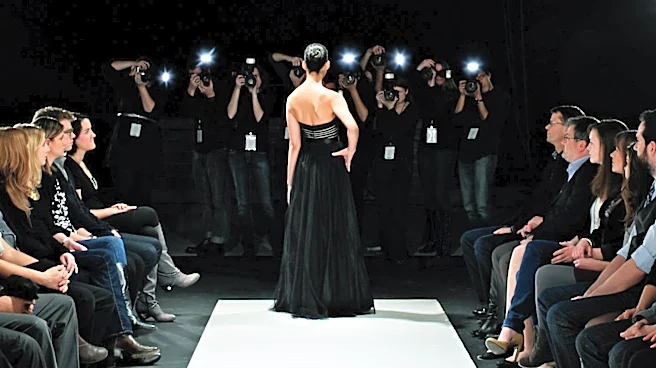
Vancouver Indigenous Fashion Week (VIFW) has implemented heightened security measures for its upcoming event, scheduled from November 18 to November 21. This decision follows a disruptive incident in 2025 where a heckler shouted hateful comments during
the closing night and had to be removed by police from the Queen Elizabeth Theatre. According to Caroline Phelps, VIFW general manager, the individual yelled destructive and harmful words at models on stage and people in the crowd. To prevent similar occurrences, VIFW has transitioned from general admission to assigned seating, which will allow for immediate identification of anyone causing a disturbance. Additionally, security personnel will now accompany the VIFW team and models to ensure their safe arrival and departure from the venue. The event will feature approximately 32 Indigenous designers, supported by around 100 models, performers, 12 youth interns, and numerous Indigenous staff.
Why It's Important?
The increased security at Vancouver Indigenous Fashion Week highlights the ongoing challenges faced by Indigenous communities in combating racism and discrimination, even in spaces dedicated to cultural celebration. The incident underscores a broader trend of rising anti-Indigenous rhetoric, as noted in the B.C. Assembly of First Nations' 2026 annual report, which cited unchecked residential school denialism and increased racism in politics and public discourse. For Indigenous artists like Rebecca Baker-Grenier, VIFW provides a crucial platform where their voices are heard and their stories are understood, a stark contrast to experiences in non-Indigenous fashion shows where they have felt marginalized. The event's commitment to creating a safe space is vital for fostering cultural pride and artistic expression, allowing designers to share their ancestral histories and identities without fear of prejudice.
What's Next?
The Vancouver Indigenous Fashion Week will proceed with its enhanced security protocols from November 18 to November 21, aiming to ensure a safe and inclusive environment for all attendees and participants. VIFW General Manager Caroline Phelps encourages individuals with questions about cultural appropriation and appreciation to attend the event, emphasizing the organization's desire to educate the public on these distinctions. Fashion designer Himikalas Pam Baker, who has been involved with VIFW since its inception nine years ago, hopes the four-day event will foster constructive dialogue and understanding. The success of these security measures and the overall event could set a precedent for other Indigenous-focused cultural gatherings, potentially influencing how similar events address safety and inclusivity in the face of societal challenges.
Beyond the Headlines
The incident at VIFW and the subsequent security enhancements reflect a deeper societal struggle against systemic racism and the need for safe cultural spaces. The experience of Indigenous designers feeling 'less than' in non-Indigenous fashion shows, as described by Rebecca Baker-Grenier, points to the pervasive nature of prejudice that extends beyond overt acts of aggression. VIFW's role as a 'catalyst' in the careers of Indigenous artists and a place where they 'don’t have to hide who we are' underscores the profound impact of culturally specific platforms in empowering marginalized communities. The event's efforts to educate on cultural appropriation versus appreciation also highlight the ongoing work required to bridge cultural divides and promote genuine respect for Indigenous traditions and artistry.