


What's Happening?
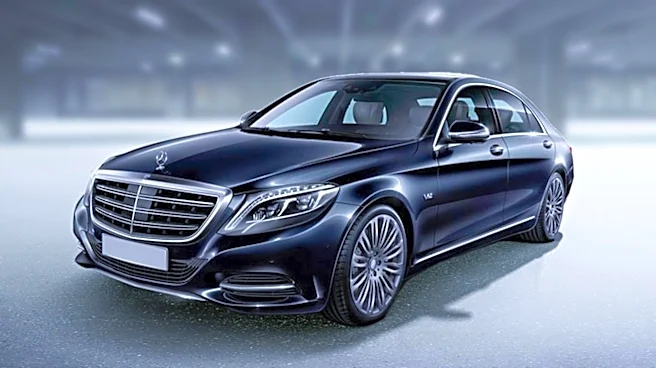
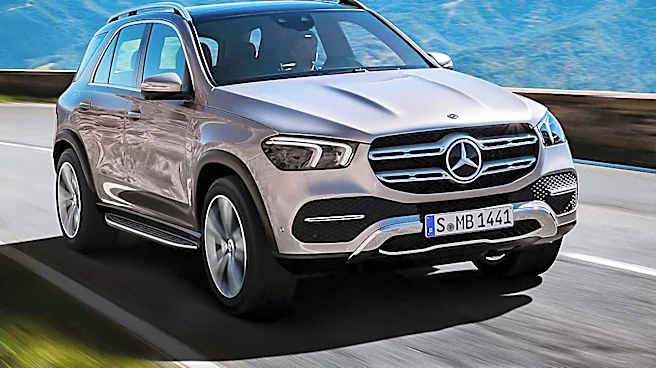
Mercedes-Benz has announced a recall affecting over 30,000 of its most expensive models, specifically certain Mercedes-Maybach, AMG, and S-Class vehicles produced between 2021 and 2024. The recall stems from a brake hose issue on the front axle that could
lead to a leak. This latest action expands on a similar recall issued by the manufacturer last year. Mercedes-Benz, in its report to the National Highway Traffic Safety Administration (NHTSA), indicated that it continued to track the brake hose problem in vehicles both included and not included in the original recall. New information gathered from markets outside the U.S. contributed to the decision for this expanded recall. The company has been notified of three instances of the issue occurring in the U.S. this year, though no crashes or injuries related to this specific problem in the recalled vehicles have been reported.
Why It's Important?
This recall is significant for several reasons, primarily concerning vehicle safety and consumer confidence in high-end automotive brands. A brake hose issue, which could lead to a leak, directly impacts the braking system's integrity, posing a potential safety hazard for drivers and others on the road. For Mercedes-Benz, a brand synonymous with luxury and engineering excellence, such a widespread recall on its most premium models could affect its reputation and brand perception, especially given that it expands on a previous recall for the same issue. Owners of these high-value vehicles, who expect superior quality and reliability, may experience inconvenience and concern. The recall also highlights the ongoing vigilance required from automotive manufacturers and regulatory bodies like the NHTSA to ensure vehicle safety standards are met, even for top-tier models.
What's Next?
Following the announcement, Mercedes-Benz has already informed its dealers about the recall. Notifications to affected vehicle owners are scheduled to begin next month. Owners will likely be instructed to bring their vehicles to authorized Mercedes-Benz service centers for inspection and repair of the brake hoses. The company will need to ensure a smooth and efficient recall process to minimize disruption for its customers and to address the safety concern promptly. Regulatory bodies, including the NHTSA, will continue to monitor the recall's progress and effectiveness. Depending on the rate of repairs and any further incidents, there could be ongoing scrutiny of Mercedes-Benz's quality control processes, particularly regarding critical safety components like braking systems.
Beyond the Headlines
The recurring nature of this brake hose issue, leading to an expanded recall, suggests a deeper challenge in manufacturing or component sourcing for Mercedes-Benz. While no crashes or injuries have been reported in the U.S. for this specific recall, the potential for such incidents underscores the critical importance of robust quality assurance in the automotive industry. For luxury brands, the implications extend beyond immediate safety concerns to the erosion of trust and perceived value. Consumers purchasing vehicles in the six-figure range expect flawless performance and safety, and repeated recalls can undermine that expectation. This situation could prompt Mercedes-Benz to conduct a more thorough internal review of its design, production, and supplier oversight processes to prevent similar issues from arising in the future, potentially influencing industry-wide best practices for high-end vehicle manufacturing.