






What's Happening?
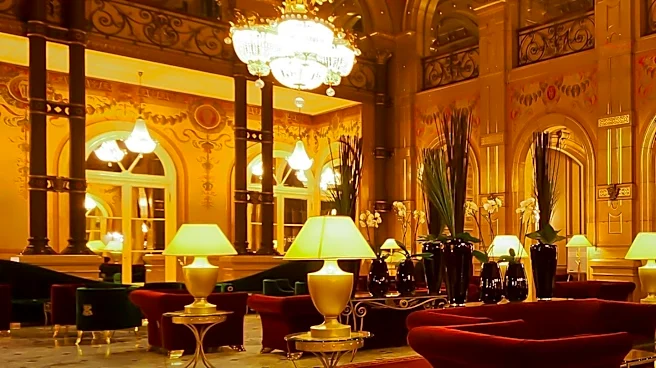
The ROW NYC hotel in Times Square is positioning itself as a prime destination for 'bleisure' travelers, individuals who combine business trips with leisure activities. With the increasing flexibility offered by remote work, the hotel emphasizes its amenities
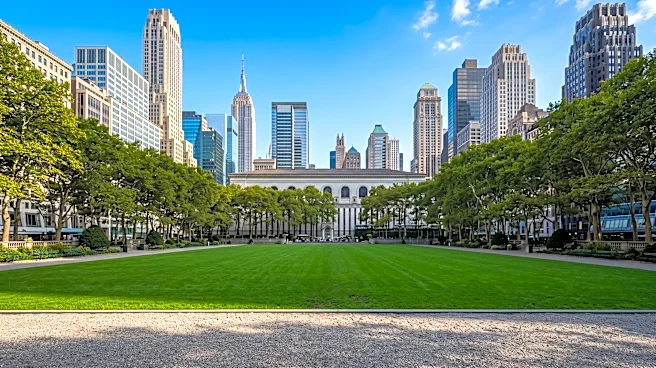
and location to facilitate a seamless blend of work and travel experiences. The hotel provides high-speed Wi-Fi and modern guest rooms designed for productivity, allowing guests to manage emails and virtual meetings. Its strategic location in Midtown Manhattan offers easy access to the business district for in-person commitments, while also placing guests within walking distance or convenient reach of major New York City attractions like Bryant Park, Rockefeller Center, Penn Station, and Hudson Yards. The hotel also encourages guests to take meaningful breaks, suggesting options like dining at its on-site restaurant, Percy All Day, or stepping out into Times Square to experience the city.
Why It's Important?
The focus on bleisure travel by hotels like ROW NYC reflects a significant shift in the hospitality industry, driven by evolving work patterns and traveler preferences. This trend is important for the U.S. tourism and hospitality sectors as it expands the potential market for hotels beyond traditional business or leisure segments. By catering to bleisure travelers, hotels can increase occupancy rates and revenue, especially during off-peak business hours or extended stays. This approach also benefits local economies by encouraging business travelers to spend more time and money on leisure activities, dining, and entertainment in the destination city. The emphasis on flexibility and integrated experiences can enhance customer satisfaction and loyalty, as travelers seek more value and memorable moments from their trips. This adaptation to changing traveler needs is crucial for hotels to remain competitive in a dynamic market.
What's Next?
As bleisure travel continues to gain traction, more hotels are likely to adapt their offerings to cater to this hybrid traveler segment. This could involve further enhancements to in-room workspaces, dedicated co-working spaces within hotels, and curated local experiences designed for short leisure breaks. Hotels may also develop more flexible booking options and packages that combine work-related amenities with leisure activities. The success of hotels like ROW NYC in attracting bleisure travelers could set a precedent for others in urban centers, leading to a broader industry trend of integrating work and leisure seamlessly. Additionally, destinations themselves may increasingly market their cities as ideal for bleisure, highlighting both their business infrastructure and tourist attractions to appeal to this growing demographic.
Beyond the Headlines
The rise of bleisure travel has deeper implications for the future of work and the perception of travel. It blurs the traditional lines between professional and personal life, suggesting a cultural shift towards integrating work into a broader lifestyle that values experiences and flexibility. This trend could lead to a re-evaluation of corporate travel policies, with companies potentially encouraging or even subsidizing bleisure components to improve employee well-being and productivity. Ethically, it raises questions about work-life balance, as the constant availability facilitated by remote work could lead to 'always-on' culture, even during leisure time. However, it also offers opportunities for individuals to explore new places and cultures without sacrificing career progression, potentially enriching personal and professional development. The long-term impact could be a more fluid and integrated approach to work and travel, reshaping urban planning, transportation, and the design of hospitality spaces.