



What's Happening?
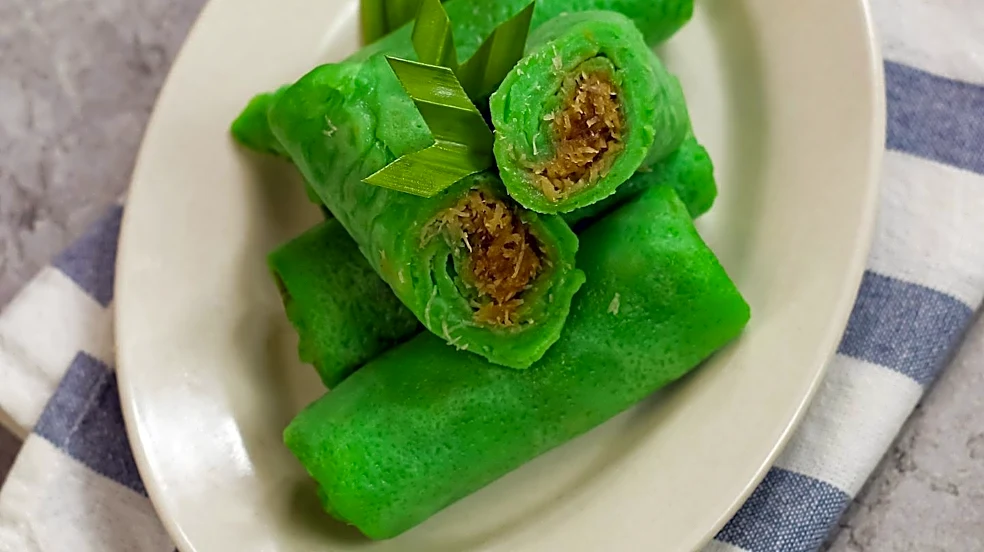
Pandan, a tropical leaf known as the 'Southeast Asian vanilla,' is gaining significant traction in the East Bay food scene, appearing in a variety of products from lattes and cocktails to pastries and waffle mixes. Oakland-based entrepreneur Andrew Luu,
co-founder of Wasi Brands, is making pandan more approachable with his company's first product: a pandan waffle and pancake mix. Luu, who is Vietnamese and Peruvian, aims to introduce this nostalgic flavor, common in many Southeast and South Asian cuisines, to a broader audience. Similarly, Nora Haron, who runs Kopi Bar and Bakery in Berkeley, incorporates pandan into best-selling items like brioche sourdough swirls and limeades. The ingredient's mild, versatile, nutty, and floral flavor, often combined with coconut, is contributing to its growing popularity, with industry experts and NPR identifying it as a top food flavor trend for 2026.
Why It's Important?
The mainstreaming of pandan in the U.S. food market signifies a broader cultural appreciation for diverse global flavors and ingredients. This trend not only enriches the culinary landscape but also creates new economic opportunities for entrepreneurs like Andrew Luu and Nora Haron, who are bridging cultural gaps through food. By making traditionally ethnic ingredients more accessible, these businesses cater to a diverse consumer base that is increasingly adventurous and seeking novel taste experiences. The rise of pandan, following the path of ingredients like ube and matcha, indicates a shift in consumer preferences towards unique, authentic, and often nostalgic flavors from various cultures, influencing product development and menu offerings across the food industry.
What's Next?
The increasing popularity of pandan suggests a continued expansion of its presence in the U.S. food and beverage industry. Entrepreneurs like Luu and Haron are likely to introduce more pandan-infused products, from baked goods to beverages, further integrating it into mainstream American cuisine. This trend could also inspire other food businesses to explore and elevate additional underrepresented global flavors. As pandan becomes more widely recognized, there may be an increase in demand for sustainably sourced pandan and a greater focus on authentic preparation methods. The ingredient's versatility means it could appear in an even wider array of dishes, from savory to sweet, solidifying its status as a significant flavor trend beyond 2026.
Beyond the Headlines
The emergence of pandan into the mainstream highlights a deeper cultural dialogue about authenticity, appropriation, and representation in food. While its growing popularity is exciting for many, it also raises questions about ensuring that the ingredient's cultural origins are respected and acknowledged. For individuals from Southeast and South Asian communities, pandan is not merely a trend but a staple deeply embedded in their culinary heritage and personal nostalgia. The efforts of entrepreneurs like Luu and Haron to make pandan 'approachable' while maintaining its natural qualities (e.g., subtle color from real pandan) are crucial in navigating this balance. This movement encourages a more nuanced understanding of global cuisines, moving beyond exoticism to genuine integration and appreciation.