






What's Happening?
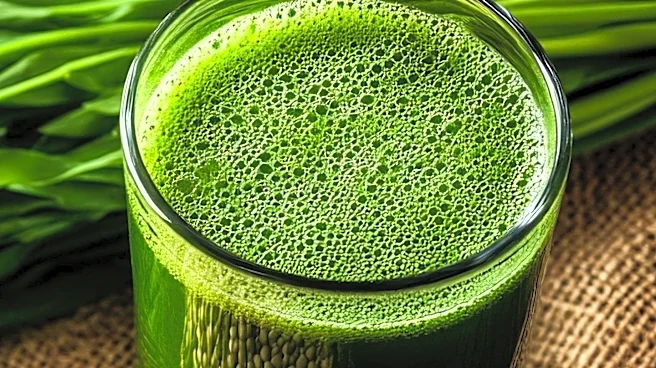
Green juice, a popular health beverage, typically consists of ingredients such as cucumber, celery, green apple, spinach, lemon, and ginger. Variations of these juices exist, with some recipes incorporating orange and pineapple for a vegan option. For
instance, the Summer Tap Juice Bar offers a green juice made with kale, spinach, lemon, lemon zest, green apple, and pineapple. The increasing interest in at-home juice bars highlights a broader trend towards wellness and convenient access to fresh, healthy drinks. These home setups allow individuals to customize their beverages, control ingredients, and potentially save money compared to store-bought options. The focus is on fresh produce and health-conscious drinks, including green juices, citrus blends, and detox drinks.
Why It's Important?
The rise of green juice and at-home juice bars reflects a significant shift in consumer behavior towards health and wellness in the U.S. This trend impacts the food and beverage industry, driving demand for fresh produce and juicing equipment. Consumers are increasingly seeking control over their dietary intake, opting for homemade options to avoid additives and tailor drinks to specific nutritional goals. This movement also has economic implications, as it can reduce reliance on expensive store-bought juices and smoothies, potentially leading to long-term savings for households. Furthermore, the emphasis on fresh, whole ingredients supports local agriculture and promotes healthier eating habits across the population, contributing to overall public health improvements.
What's Next?
The trend of green juice consumption and at-home juicing is expected to continue growing, with potential innovations in juicing technology and ingredient sourcing. Manufacturers of juicers and blenders may introduce more efficient and user-friendly models to cater to this demand. The market for organic and locally sourced produce is also likely to expand as consumers prioritize fresh, high-quality ingredients for their homemade juices. Additionally, there could be a proliferation of new recipes and ingredient combinations, further diversifying the green juice landscape. Educational initiatives promoting the benefits of fresh juices and proper preparation techniques may also become more prevalent, encouraging wider adoption of these healthy practices.
Beyond the Headlines
Beyond the immediate health benefits, the green juice trend signifies a deeper cultural shift towards mindful consumption and self-care. It highlights a growing awareness of the connection between diet and well-being, encouraging individuals to take a more active role in managing their health. This movement also touches upon sustainability, as many consumers are opting for seasonal and locally sourced produce, which can reduce environmental impact. The aesthetic appeal of at-home juice bars, often designed with natural materials and organized ingredients, reflects a desire for holistic wellness that extends to the home environment. This trend suggests a long-term commitment to healthier lifestyles, influencing not only dietary choices but also broader consumer preferences in home goods and food sourcing.