




What's Happening?
VinFast, the Vietnamese electric vehicle manufacturer, has detailed its net-zero strategy, which focuses on industrial electrification, smart energy monitoring, renewable electricity, and battery energy storage. The company's climate roadmap, approved
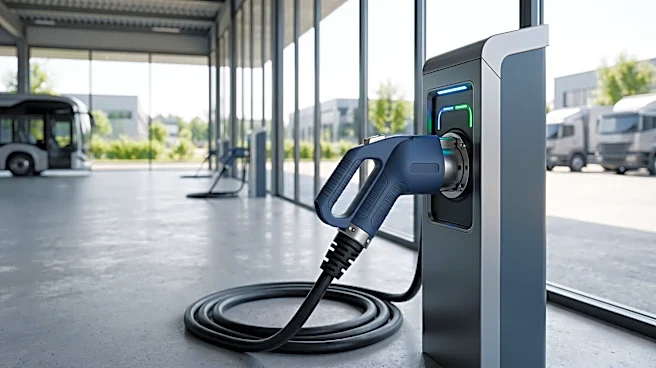
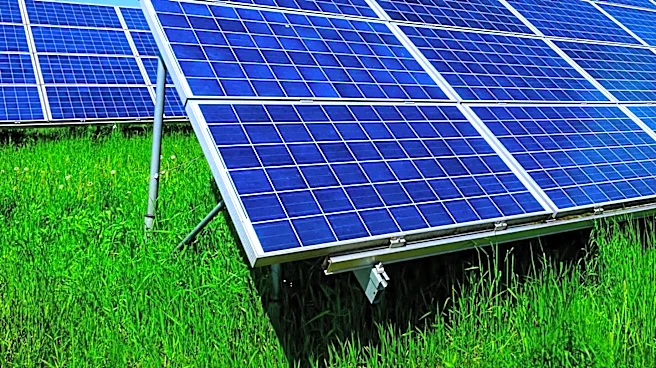
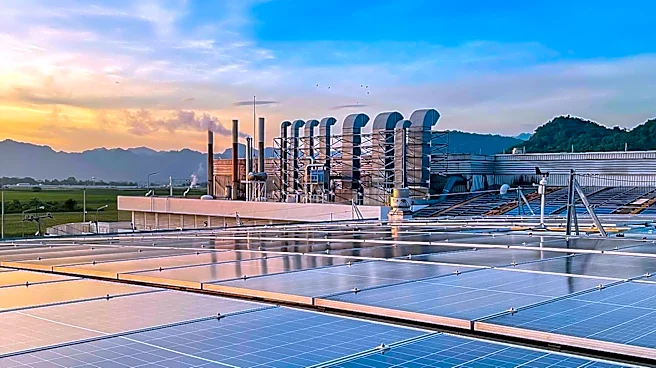
in January 2025, is built on a '3E' mission: electrification, energy saving, and energy greening. As part of this initiative, VinFast announced an initial agreement with NexMove, a joint venture between Transportation Management Services and Zeem Solutions, to introduce its electric buses to the U.S. market. This partnership aims to bundle electric buses with charging, maintenance, and fleet operations under a single service contract for fleet operators. VinFast's efficiency measures at its Hai Phong facility saved approximately 2.7 GWh of electricity in 2024, reducing CO2 equivalent emissions by an estimated 1,782 metric tons, and a 30 MWp rooftop solar project is underway at the site.
Why It's Important?
This move is significant as it demonstrates VinFast's commitment to decarbonizing its manufacturing operations while expanding its presence in international commercial fleet markets, particularly in the U.S. The net-zero plan reflects a broader industry trend where automakers are increasingly linking production emissions with the electric vehicles they sell, aligning with global sustainability goals. For U.S. fleet operators, the NexMove agreement offers a streamlined solution for transitioning to electric buses, simplifying procurement and ongoing operations through a bundled service contract. This could accelerate the adoption of electric public transportation in the U.S., contributing to reduced urban emissions and improved air quality. The proposed 97% uptime commitments are crucial for transit agencies that rely on consistent daily vehicle availability.
What's Next?
Certified electric bus deliveries under the NexMove agreement are expected to commence in the first quarter of 2028. VinFast's climate roadmap includes Scope 1, 2, and 3 reduction targets for 2030 and 2040, following standards set by initiatives like the Science Based Targets initiative. The company aims for a 42% Scope 1 and 2 reduction by 2030 from its 2022 baseline emissions of over 1.12 million metric tons CO2e. Electric vehicle buyers and fleet managers will be closely watching whether these emissions targets are supported by verifiable reporting, as the claimed savings and reductions depend on company-reported data. The terms of the NexMove deal will also provide insights into the pricing structure of such comprehensive service bundles in the electric fleet market.
Beyond the Headlines
VinFast's dual strategy of internal decarbonization and external market expansion highlights the growing pressure on global manufacturers to address their environmental footprint across the entire value chain. The entry into the U.S. electric bus market through a service-oriented model could set a precedent for how international EV manufacturers penetrate new markets, emphasizing comprehensive solutions rather than just product sales. This approach could foster greater competition and innovation in the U.S. public transportation sector, pushing for more integrated and efficient electric fleet management. Furthermore, the focus on verifiable reporting for emissions targets underscores the increasing demand for transparency and accountability in corporate sustainability efforts, influencing investor confidence and consumer trust in the burgeoning EV industry.