

What's Happening?
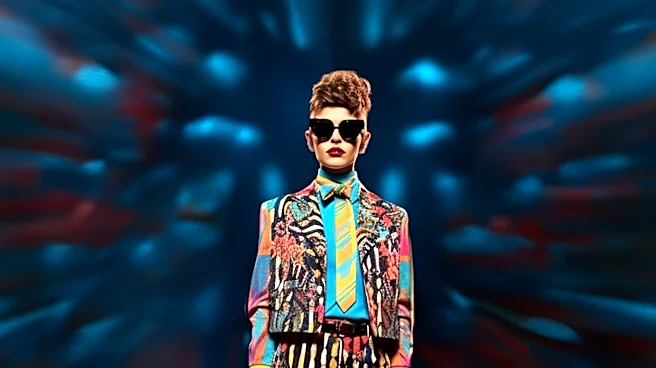
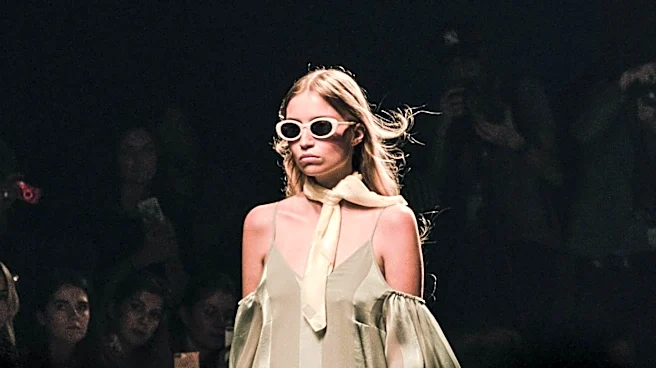
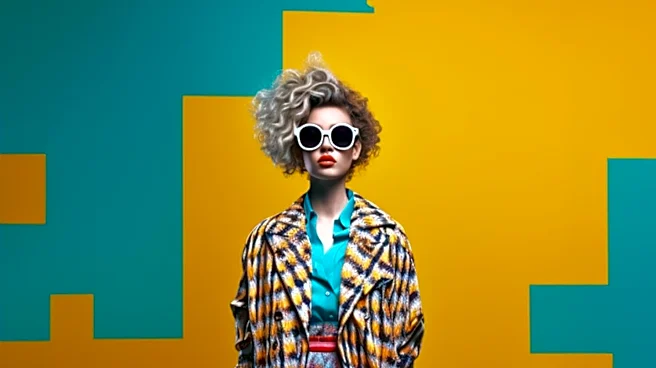
The fashion industry is undergoing a significant shift, moving away from the minimalist 'clean girl' aesthetic and neutral tones that dominated for years, towards maximalism. This new era is characterized by bold colors, eclectic combinations, and a greater
emphasis on individual self-expression. After a period influenced by the pandemic and subsequent economic shifts, consumers are reportedly expressing fatigue with uniform styles and the pressure to achieve unattainable perfection associated with minimalist trends. This change is evident in the resurgence of styles like dark bohemian, featuring ruffles, lace, and rich textures, and a more relaxed preppy look that mixes traditional elements freely. Search trends on platforms like Pinterest also indicate a substantial increase in interest for 'eclectic maximalism' and 'vintage maximalism,' suggesting a broad consumer embrace of this more expressive approach to fashion.
Why It's Important?
This shift in fashion trends reflects broader societal sentiments in the U.S., indicating a desire for individuality and a rejection of perceived pressures for conformity. For the U.S. retail and fashion industries, this means a significant change in consumer demand, moving towards more diverse and vibrant product offerings. Businesses that adapt quickly to this trend by stocking bold colors, varied textures, and eclectic designs are likely to gain market share, while those clinging to minimalist aesthetics may see declining sales. This also impacts designers and marketers, who will need to pivot their strategies to highlight self-expression and unique styling rather than understated elegance. The move away from 'sad beige' interiors and wardrobes suggests a collective psychological shift towards optimism and a desire for more vibrant personal and living spaces, potentially boosting sectors beyond just clothing, such as home decor and accessories.
What's Next?
The fashion industry is expected to continue its embrace of maximalism, with upcoming fall-winter collections likely to feature more vibrant colors, mixed patterns, and diverse textures. Consumers can anticipate a wider array of choices that encourage personal expression, moving beyond the 'less is more' philosophy. Retailers will likely adjust their inventory to reflect these new preferences, focusing on items that allow for layering, mixing styles, and bold statements. We may also see an increase in collaborations between designers and artists to create unique, expressive pieces. Furthermore, the influence of social media will continue to play a crucial role, with 'dopamine dressing' and expression-driven beauty gaining more traction as individuals showcase their unique styles. This trend is likely to solidify as a dominant force in fashion for the foreseeable future, prompting continuous innovation in design and marketing.
Beyond the Headlines
The move from minimalism to maximalism in fashion can be seen as a cultural pendulum swing, reflecting a deeper societal need for authenticity and a break from perceived constraints. The 'clean girl' aesthetic, while appearing effortless, often required significant financial investment and adherence to strict stylistic rules, creating a subtle pressure for consumers. The embrace of maximalism, conversely, offers a more democratic and accessible form of self-expression, allowing individuals to mix and match, repurpose, and personalize their wardrobes without the burden of achieving an 'unattainable perfection.' This trend could foster greater creativity and individuality in personal style, potentially leading to a more diverse and inclusive fashion landscape. It also highlights a growing consumer awareness of the psychological impact of aesthetics, with a clear preference for styles that evoke joy and personal freedom over understated uniformity.