









What's Happening?
A recent survey conducted by Storytel, a leading European audiobook platform, has highlighted a significant connection between book consumption and overall wellbeing. The 2026 Story Report surveyed over 5,000 respondents across five European countries,
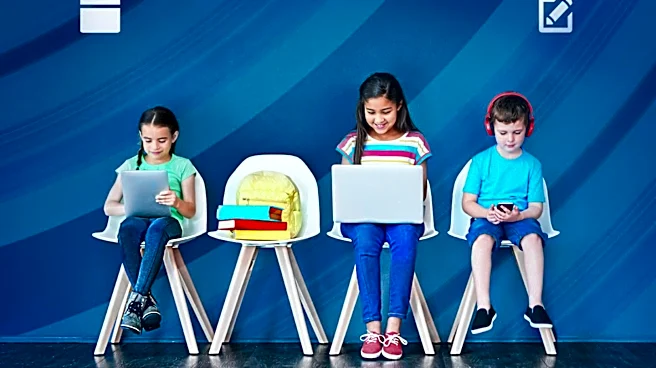
including Sweden, Finland, Norway, Poland, and Bulgaria. The findings indicate that individuals who engage in reading or listening to books report higher levels of wellbeing. Notably, the survey found that the effect of listening to audiobooks is particularly impactful, with 84% to 93% of daily or weekly listeners acknowledging that audiobooks contribute to their improved wellbeing. The report also suggests that audiobooks help people complete more books, as many users appreciate the ability to multitask while listening. Additionally, the survey highlights that reading and listening to audiobooks serve as effective alternatives to screen time, with a significant number of parents considering audiobooks vital for reducing their children's screen exposure.
Why It's Important?
The findings from the Storytel survey underscore the potential benefits of integrating reading and audiobooks into daily routines, particularly in an era where screen time is prevalent. As concerns about declining reading habits grow globally, this report offers a positive perspective on how audiobooks and reading can enhance personal wellbeing. The survey's results are particularly relevant in the context of the U.S., where discussions about a 'postliterate' age are emerging. By demonstrating the positive impact of book consumption on wellbeing, the report may encourage more individuals to adopt reading and listening habits, potentially influencing public health and educational strategies. Furthermore, the emphasis on audiobooks as a tool for reducing screen time could have implications for parenting and educational practices, promoting healthier lifestyle choices for both adults and children.
What's Next?
As the conversation around reading habits and screen time continues, stakeholders in the publishing and educational sectors may explore ways to leverage the benefits of audiobooks and reading. This could involve initiatives to promote reading as a means of enhancing wellbeing, as well as campaigns to encourage the use of audiobooks as a screen time alternative. Additionally, the findings may prompt further research into the specific mechanisms by which reading and listening to books contribute to wellbeing, potentially leading to new insights and strategies for improving mental health and quality of life. Policymakers and educators might also consider integrating these insights into programs aimed at fostering a culture of reading and lifelong learning.