









What's Happening?
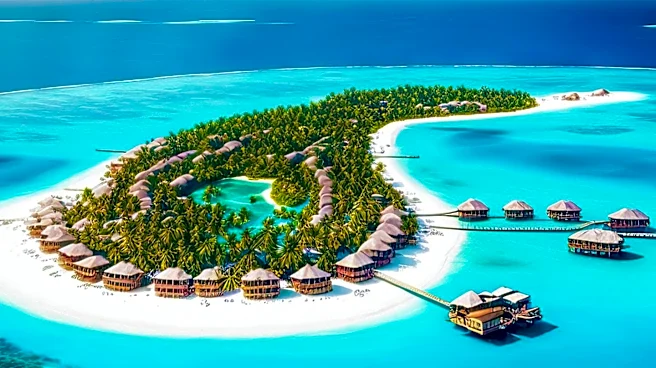
Luxury resorts are increasingly adopting regenerative hospitality practices, focusing on creating meaningful connections with the environment and local communities. This shift is most evident in destination-led resorts, island retreats, and wellness-focused
concepts, where the value proposition is deeply tied to the surrounding environment and culture. The trend reflects a broader transformation in the luxury sector, moving from exclusivity and possession to experiences that enhance well-being and connection. This approach is exemplified by properties like Rosewood Miyakojima in Japan and Belmond Maroma in Mexico, which integrate local traditions and conservation efforts into their guest experiences.
Why It's Important?
The move towards regenerative hospitality signifies a significant shift in the luxury industry, emphasizing sustainability and community engagement. This approach not only enhances the guest experience but also supports local ecosystems and cultures, potentially leading to more sustainable tourism practices. By prioritizing well-being and environmental care, luxury resorts can redefine excellence in hospitality, aligning with the growing consumer demand for responsible and meaningful travel experiences. This shift could influence other sectors within the hospitality industry, encouraging broader adoption of sustainable practices.
What's Next?
As regenerative hospitality gains traction, more luxury brands are likely to adopt similar practices, integrating local culture and sustainability into their offerings. This could lead to increased collaboration with local communities and a greater focus on conservation efforts. The trend may also drive innovation in hospitality design and service, as brands seek to create unique and immersive experiences that resonate with environmentally conscious travelers. The success of these initiatives could set new standards for luxury travel, influencing consumer expectations and industry practices globally.