


What's Happening?
The UNIQLO U line is set to release its final collection under the creative direction of Christophe Lemaire and his partner, Sara-Linh Tran, with the upcoming Fall/Winter 2026 collection. This marks the end of a significant ten-year partnership that began
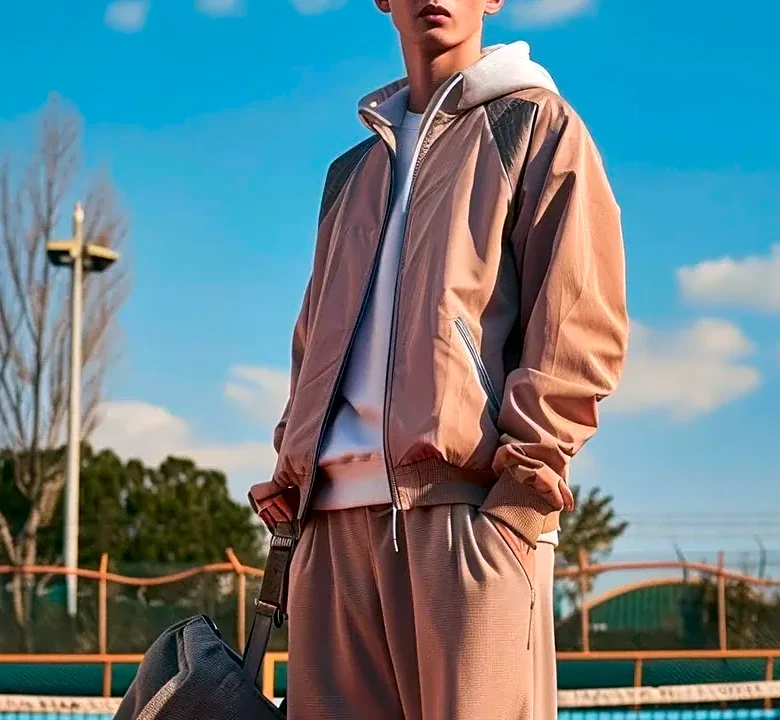
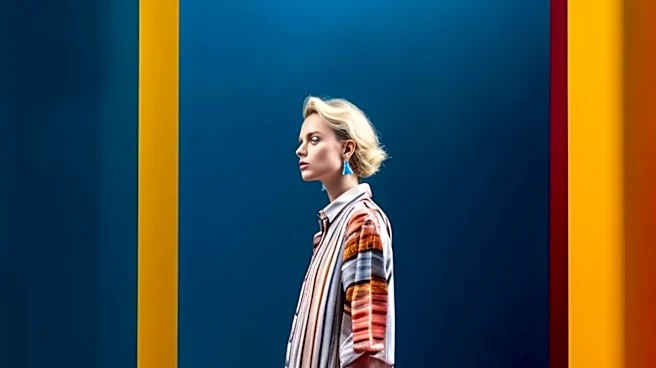
in 2016. Lemaire, who previously served as artistic director for women's ready-to-wear at Hermès, was installed as artistic director of UNIQLO's Paris R&D Center, establishing a long-term collaboration rather than a one-off design project. The initial UNIQLO U collection in 2016 followed a successful limited 'UNIQLO and Lemaire' line in 2015. While the press release indicates this is the end of a 'first chapter' for UNIQLO U, suggesting its continued existence in some form, it signifies the conclusion of Lemaire and Tran's direct creative leadership. Their tenure has been characterized by offering functional, timeless, and architecturally upscale silhouettes at accessible prices, influencing the broader fast fashion landscape.
Why It's Important?
This transition is important for the fashion industry, particularly within the 'fast fashion' segment, as it concludes one of the most influential and long-standing collaborations between a high-fashion designer and a mass-market retailer. Lemaire and Tran's work with UNIQLO U has been credited with elevating the perception and quality of fast fashion, introducing concepts like premium-ish fabrics, clean lines, and seasonless designs to a wider consumer base. Their success demonstrated the viability of long-term, symbiotic relationships between luxury brands and mass retailers, a model that has since been adopted by others, including Zac Posen at GAP, Clare Waight Keller at UNIQLO, and John Galliano in a partnership with Zara. The departure of Lemaire and Tran could signal a shift in UNIQLO U's design philosophy or a broader re-evaluation of how such collaborations are structured and perceived in the future, impacting consumer expectations for accessible, high-quality fashion.
What's Next?
While the FW26 collection marks the end of Lemaire and Tran's direct creative leadership, the press release suggests that UNIQLO U will continue in some capacity, indicating the end of a 'first chapter.' This implies that UNIQLO will likely appoint new creative leadership or evolve the line's design direction. The future iteration of UNIQLO U will need to navigate the legacy of Lemaire's influence while establishing its own identity. The fashion industry will be watching to see how UNIQLO maintains the line's appeal and market position without its original creative visionaries. This transition could also prompt other fast fashion retailers to reassess their own collaboration strategies, potentially leading to new partnerships or a shift in focus towards internal design teams to capture the market segment previously dominated by UNIQLO U's unique approach.
Beyond the Headlines
The conclusion of Lemaire and Tran's tenure at UNIQLO U highlights a deeper evolution in the fashion industry: the blurring lines between high fashion and mass-market retail. Their success demonstrated that consumers are increasingly seeking quality, timeless design, and sophisticated aesthetics at more accessible price points, challenging the traditional divide between luxury and fast fashion. This collaboration also underscored the power of a designer's vision to transform a brand's image and market impact, even when their name isn't explicitly front and center. The 'seasonless' approach championed by UNIQLO U has broader implications for sustainability and consumer behavior, encouraging the building of long-lasting wardrobes rather than chasing fleeting trends. The departure of Lemaire and Tran could lead to a re-evaluation of what constitutes 'value' in fashion and how mass-market brands can continue to innovate and maintain relevance in a rapidly changing landscape.