


What's Happening?
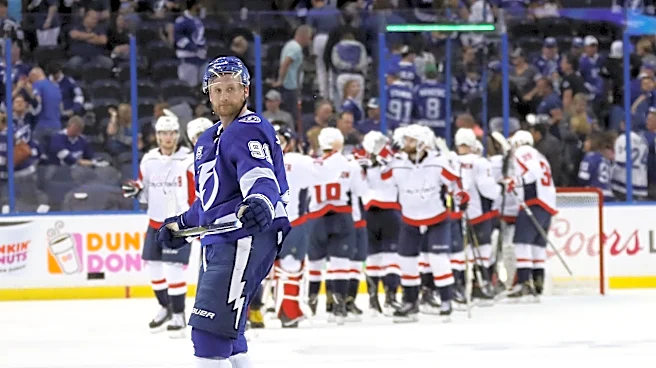
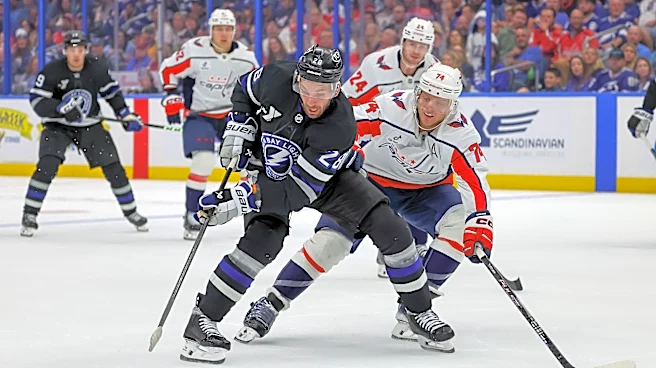
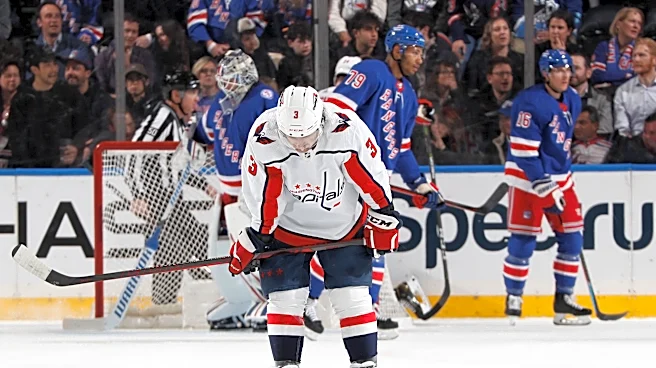
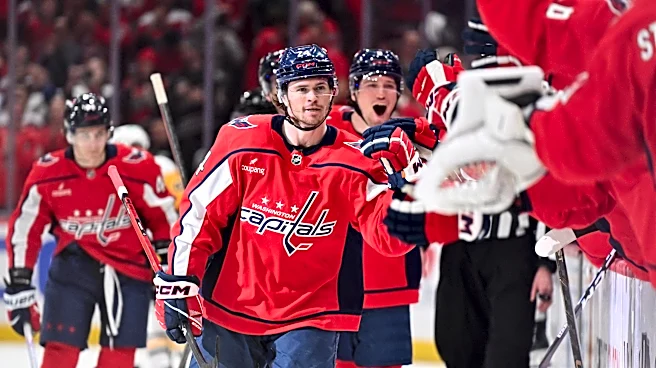
The Washington Capitals have experienced a significant downturn in performance during November, recording five losses in seven games (2-5-0) after a strong finish to October. This slump is largely attributed to a dramatic increase in goals conceded at 5-on-5
play. Through 19 games this season, the Capitals have allowed 46 goals at 5-on-5, nearly double the 24 goals given up during the same period last season. Despite this defensive vulnerability, the team maintains the same points percentage (.526) as they did at this point last season. Head coach Spencer Carbery has identified several areas needing improvement, including rush coverage, odd-man rushes against, puck play in the offensive zone, and F3 coverage, all of which contribute to the high number of scoring chances against them. The team has given up five or more goals in seven of their first 19 games, a frequency not seen since Alex Ovechkin's rookie season in 2005-06. Alex Ovechkin recently set a franchise record for assists, but this milestone was overshadowed by the team's ongoing struggles.
Why It's Important?
The Washington Capitals' defensive issues are critical for their standing in the National Hockey League (NHL) and their playoff aspirations. Consistently allowing three or more goals per game is not a sustainable strategy for success in the modern NHL, even with a potent offense. While the team's offensive capabilities have helped them secure points despite defensive lapses, this approach is precarious. The increased goals against suggest a systemic problem that could undermine their competitiveness over a full season. For fans and stakeholders, the team's inability to tighten up defensively raises concerns about their long-term viability as a contender. The struggles also put additional pressure on key players like Alex Ovechkin, whose individual achievements are being overshadowed by collective team performance. Addressing these defensive shortcomings is paramount for the Capitals to avoid falling further behind in the standings and to maintain their reputation as a competitive franchise.
What's Next?
The Washington Capitals are actively seeking solutions to their defensive woes. Coach Spencer Carbery emphasized that improving defensive play is a daily process, acknowledging that the current recipe is not conducive to success in the NHL. The team will need to implement more disciplined strategies, particularly in rush coverage and preventing odd-man rushes. Players like Tom Wilson have also highlighted the need for greater urgency and attention to defensive details, including blocking shots and playing a more physical, 'in the trenches' style of hockey. The Capitals will need to demonstrate a more consistent 60-minute effort, especially against stronger opponents, to avoid falling behind early in games. The focus will be on refining their defensive systems and individual player accountability to reduce the number of high-danger scoring chances against them. The upcoming games will be crucial in determining if the team can adapt and improve its defensive structure.
Beyond the Headlines
The Capitals' current defensive struggles highlight a broader challenge faced by many offensive-minded teams in professional sports: balancing aggressive attacking play with robust defensive responsibility. The team's historical emphasis on offense, as noted by Tom Wilson, may have inadvertently led to a decreased urgency in their own end. This situation underscores the delicate equilibrium required for sustained success in a league where defensive solidity is often as critical as offensive firepower. The team's current predicament also raises questions about player development and coaching strategies, particularly in adapting to the evolving dynamics of the NHL. The long-term implications could include a re-evaluation of player roles, potential roster changes, or a fundamental shift in coaching philosophy to prioritize defensive structure. The ability to integrate new talent while maintaining defensive integrity will be key to the Capitals' future competitiveness.