

What's Happening?
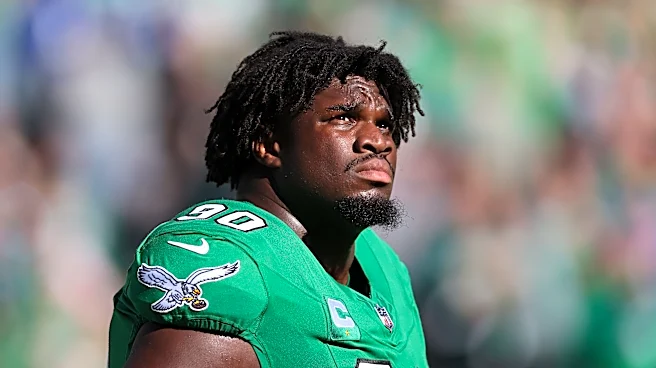
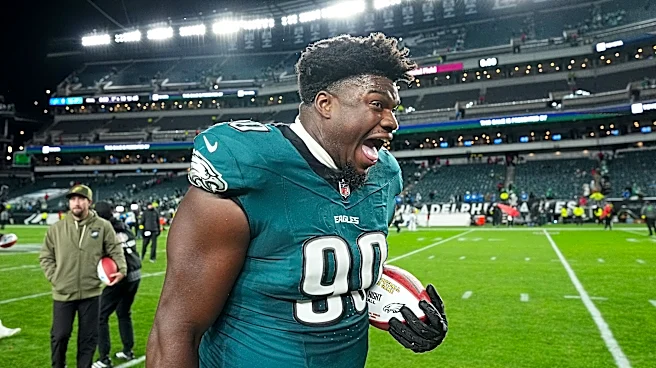
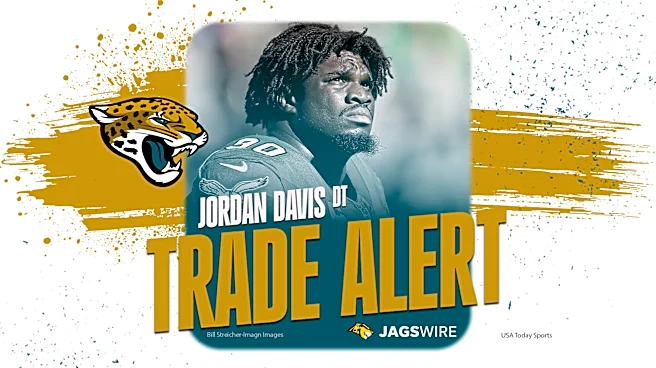
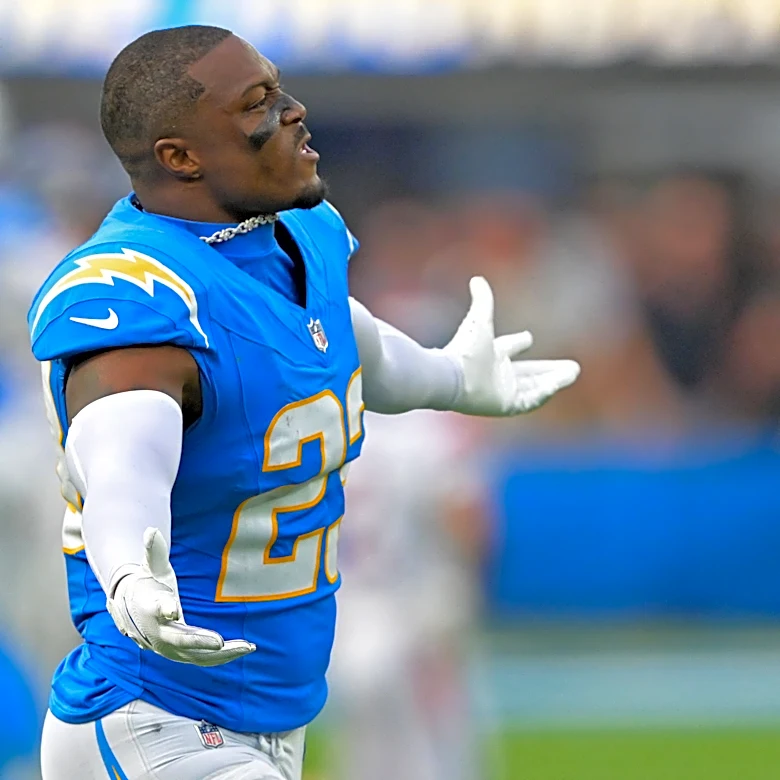
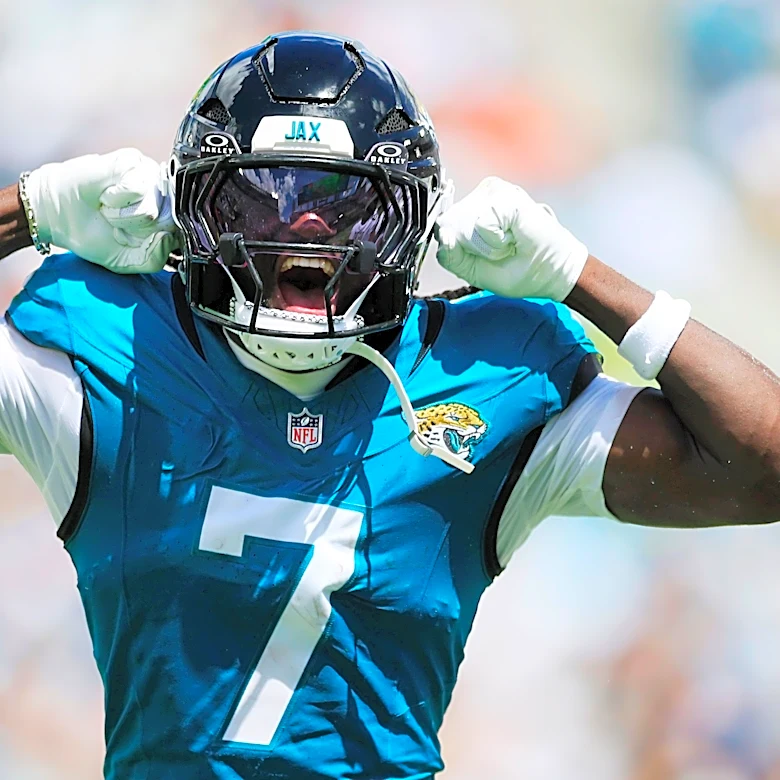
The Jacksonville Jaguars have made significant moves ahead of the NFL trade deadline, acquiring safety Jessie Bates III from the Atlanta Falcons, defensive tackle Davon Godchaux from the New Orleans Saints, and defensive tackle Jordan Davis from the Philadelphia
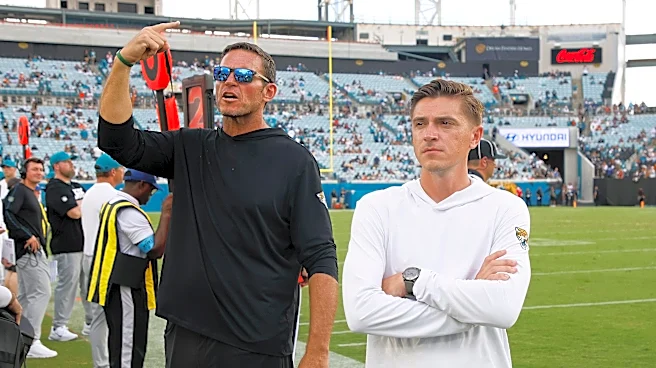
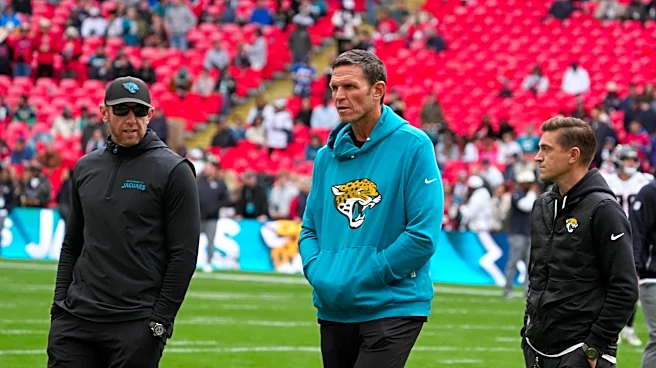
Eagles. The trade for Jordan Davis involved sending a 2027 first-round pick and a 2029 second-round pick to Philadelphia. These acquisitions signal an 'all-in' strategy by the Jaguars' second-year regime, aiming to bolster their defense for a Super Bowl push. General manager James Gladstone, who previously worked with the Los Angeles Rams during their 'f-- them picks' era, is leading this aggressive approach. The team believes it has a clear path to the postseason with a high-performing quarterback, strong skill players, an effective run game, and excellent coaching, despite existing defensive gaps due to injuries.
Why It's Important?
This aggressive trading strategy by the Jacksonville Jaguars carries significant implications for the team's immediate future and the broader NFL landscape. By trading away high draft picks for established defensive players, the Jaguars are prioritizing a Super Bowl window now, a move that deviates from the risk-averse nature often seen in the league. This approach, reminiscent of the Rams' strategy that led to a Super Bowl victory, could either propel Jacksonville to championship contention or leave them with a depleted draft capital in future years if the gamble doesn't pay off. The acquisitions of Bates and Davis are intended to fortify the defense against elite AFC quarterbacks like Josh Allen, Joe Burrow, and Patrick Mahomes, addressing critical needs in safety and defensive line. The success or failure of this strategy will likely influence how other NFL teams approach their own trade deadlines and roster constructions in the coming seasons.
What's Next?
The immediate focus for the Jacksonville Jaguars will be integrating Jessie Bates III, Davon Godchaux, and Jordan Davis into their defensive scheme. The team expects these players to contribute significantly to their postseason aspirations. General manager James Gladstone will also need to manage the aftermath of these trades, particularly concerning future cap limitations and the absence of first- and second-round picks in the upcoming spring. Bates, being in the final year of his deal, could be eligible for an extension or become a compensatory pick. The Jaguars still possess wide receiver Brian Thomas Jr., who could be traded to recoup draft capital. The long-term success of this 'all-in' strategy will depend on the team's performance in the current season and its ability to develop cost-controlled contributors from later draft rounds to offset the traded high picks.
Beyond the Headlines
The Jaguars' 'all-in' approach highlights a growing trend in professional sports where teams, convinced of their championship window, are willing to sacrifice future draft capital for immediate talent. This strategy raises ethical and long-term sustainability questions about team building. While it can lead to immediate success, as seen with the Rams, it also carries the risk of prolonged rebuilding phases if key players underperform or injuries occur. The decision also reflects the confidence the front office has in its coaching staff, including head coach Liam Coen and coordinators Grant Udinski and Anthony Campanile, who are considered head-coaching candidates. The potential departure of these coaches could disrupt the team's ecosystem, making the current window even more critical. This aggressive move underscores the high-stakes nature of NFL team management and the constant tension between short-term glory and long-term stability.