










What's Happening?
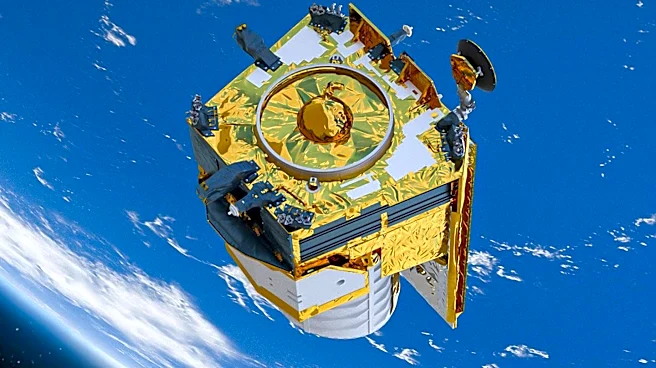
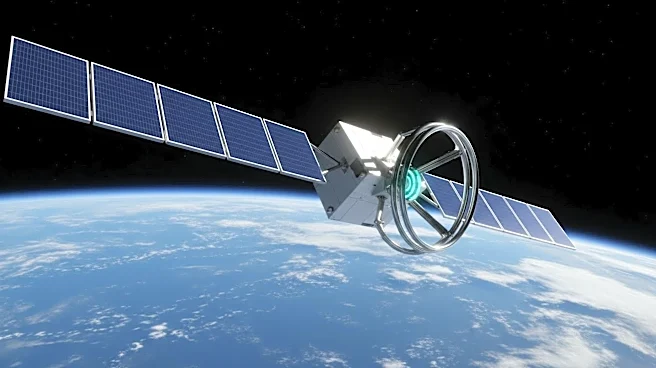
The Federal Communications Commission (FCC) has approved Reflect Orbital's plan to launch a satellite equipped with a giant mirror to reflect sunlight to Earth after dark. The satellite, named Earendil-1, will be launched into low-Earth orbit to test
the technology, which aims to illuminate solar farms at night and aid disaster-struck areas. Despite receiving over 1,800 public comments, many opposing the project due to potential light pollution and risks to astronomical research, the FCC granted approval for this single demonstration satellite. Reflect Orbital plans to eventually deploy over 50,000 such satellites by 2035.
Why It's Important?
The approval of Reflect Orbital's satellite highlights a significant development in space technology, potentially transforming how solar energy is harnessed and disaster relief is conducted. However, it raises concerns about light pollution and its impact on astronomical research, as well as safety risks such as flash blinding of drivers and pilots. The decision underscores the tension between technological innovation and environmental and scientific considerations, prompting discussions on regulatory responsibilities and the need for comprehensive environmental assessments of space projects.
What's Next?
Reflect Orbital plans to launch Earendil-1 later this year, with the mission providing data to refine future satellite designs and operational practices. The company is also commissioning independent research on the technology's impacts and aims to coordinate with the National Science Foundation to mitigate effects on observatories. The FCC's decision may prompt further debate on regulatory frameworks for space projects, particularly regarding environmental reviews and the management of large satellite constellations.