


What's Happening?
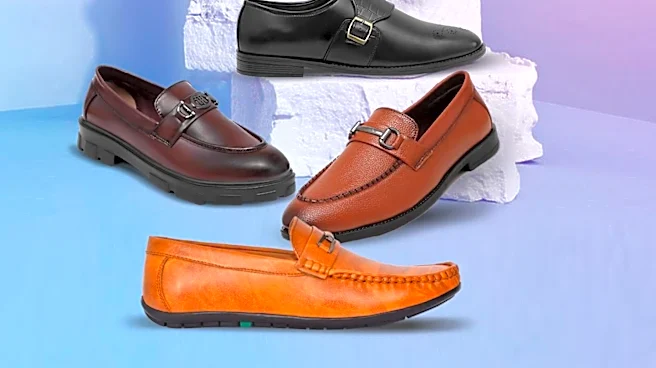
For men aiming for a smart casual look with suits, specific footwear choices are recommended to maintain refinement while offering a relaxed feel. Moccasins are suggested for their relaxed yet refined profile, which helps to make a suit feel less formal.
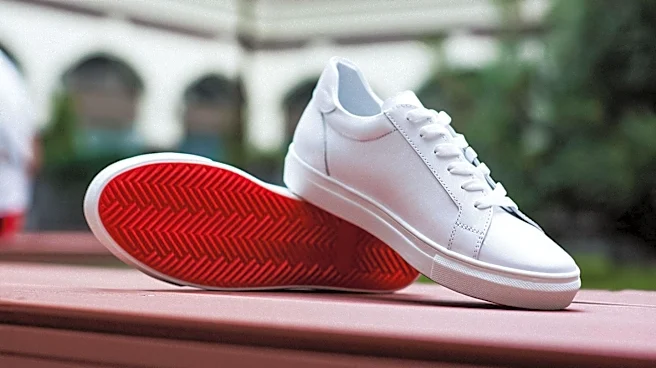
Loafers are considered a safe and versatile option, naturally bridging the gap between formal dress shoes and casual footwear, making them easy to pair with unstructured or relaxed suits. Minimal sneakers are also endorsed, provided they are clean, simple, and streamlined, with minimal branding and fewer colors to ensure the suit remains the focal point. Conversely, certain shoe types are advised against, including basketball shoes due to their bulk and sporty nature, canvas shoes which can make an outfit appear unfinished, walking shoes whose technical design clashes with a suit's silhouette, and jogging/running shoes that create too much contrast with tailoring.
Why It's Important?
The guidance on smart casual footwear for men's suiting reflects an evolving trend in professional and social dress codes, impacting the fashion industry and consumer purchasing habits. This shift signifies a move away from strictly formal attire, offering more flexibility and comfort without sacrificing style. For retailers and designers, understanding these preferences is crucial for product development and marketing strategies, as there's a growing demand for versatile footwear that can transition between different settings. Consumers, particularly those in business or social environments that embrace smart casual, benefit from clear guidelines to navigate these nuanced dress codes effectively. The emphasis on specific styles like moccasins, loafers, and minimal sneakers highlights a market segment focused on refined casualization, influencing inventory decisions and promotional campaigns within the U.S. fashion market.
What's Next?
As smart casual continues to gain traction in various professional and social settings, the fashion industry is likely to see further innovation in footwear design that blends comfort with elegance. Manufacturers may focus on developing more sophisticated versions of sneakers, loafers, and moccasins, incorporating premium materials and subtle detailing to meet the demand for versatile options. Retailers will likely expand their offerings in these categories, potentially creating dedicated sections for 'smart casual' footwear. Fashion publications and stylists will continue to provide updated advice and trend reports, further solidifying the acceptance and understanding of these dress codes. This ongoing evolution could lead to a broader redefinition of professional and semi-formal attire, influencing future fashion cycles and consumer expectations regarding comfort and style integration.
Beyond the Headlines
The evolving acceptance of smart casual footwear with suits reflects a broader cultural shift towards comfort and individuality in dress, challenging traditional sartorial norms. This trend extends beyond mere fashion choices, touching upon workplace culture and personal expression. The integration of more relaxed footwear into formal wear can symbolize a less rigid, more adaptable professional environment, potentially fostering creativity and a more inclusive atmosphere. Ethically, it promotes sustainability by encouraging versatile pieces that can be worn in multiple contexts, reducing the need for extensive, single-purpose wardrobes. This shift also highlights the psychological impact of clothing, where comfort can enhance confidence and productivity, suggesting that what we wear influences not just how we are perceived, but also how we perform and feel. The blending of formal and casual elements in attire underscores a modern approach to identity, where personal style is increasingly valued over strict adherence to conventional rules.