
What's Happening?
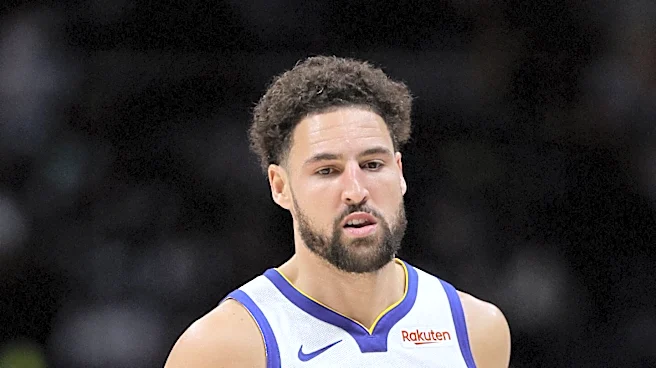
Golden State Warriors guard Klay Thompson recently showcased a basketball signed by NBA legend Bill Russell, calling it his "most prized possession." During a house tour with streamer PlaqueBoyMax, Thompson explained
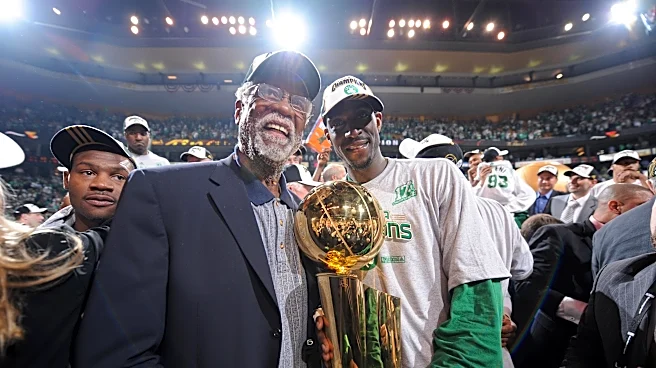
the significance of the item, noting that Russell, an 11-time champion and civil rights advocate, signed the ball. Thompson revealed that the unique memorabilia was a gift from the grandson of Celtics guard Sam Jones, a former teammate of Russell. According to Thompson, Jones' grandson indicated that Russell intended these signed balls for players he admired, with Steph Curry and Draymond Green also receiving one. Thompson emphasized Russell's profound impact on both basketball and civil rights, making the ball a "special piece of history."
Why It's Important?
Klay Thompson's reverence for the Bill Russell-signed basketball underscores the enduring legacy of one of basketball's most iconic figures and the deep respect current players hold for the sport's pioneers. This anecdote highlights how historical artifacts can connect generations of athletes and serve as powerful reminders of the values and struggles that shaped the game. For the NBA, it reinforces the importance of its history and the figures who transcended sports to impact society. It also provides a glimpse into the personal connections and mutual admiration among players, even across different eras. This story can inspire fans to appreciate the historical context of basketball and the broader societal contributions of its legends, fostering a deeper connection to the sport's heritage.
What's Next?
The revelation of Klay Thompson's prized possession is likely to spark renewed interest in Bill Russell's legacy, particularly among younger fans who may not be fully aware of his contributions beyond his championship rings. This could lead to more discussions and content celebrating Russell's impact on civil rights and his pioneering role in the NBA. It might also encourage other athletes to share their connections to historical figures, further enriching the narrative of sports history. For Thompson, this public display of admiration for Russell solidifies his image as a player who respects the game's past and its cultural significance. The story serves as a reminder of the intangible value of sports memorabilia and the stories they carry.
Beyond the Headlines
Beyond the sentimental value, Thompson's story about the Bill Russell-signed basketball touches upon the deeper cultural and historical significance of sports. Russell was not just a basketball player; he was a prominent figure in the civil rights movement, using his platform to advocate for social justice. Thompson's emphasis on Russell's contributions to "black folks in this nation" highlights the intersection of sports and social change. This narrative transcends mere athletic achievement, reminding us that sports figures can be powerful agents of societal progress. It also subtly critiques the tendency to reduce historical figures to statistics, urging a more holistic appreciation of their impact. The story serves as a powerful educational tool, connecting the past struggles for equality with the present-day appreciation of those who fought for it.