
What's Happening?
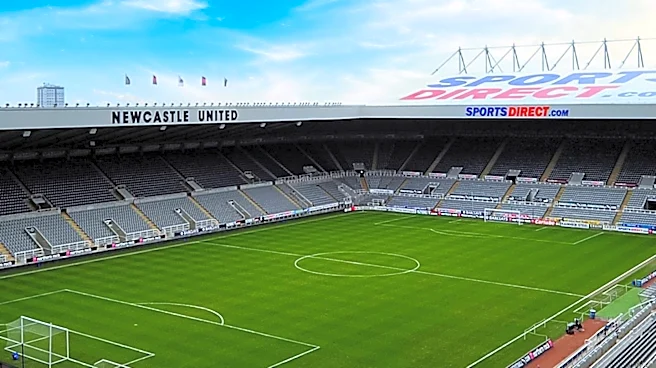
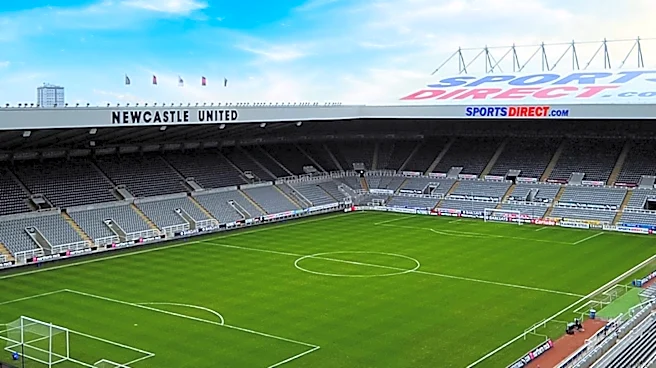
Saudi Arabia's Public Investment Fund (PIF), the majority owner of Newcastle United, is reportedly planning to sell up to a 25% stake in the football club. This move aims to generate funds specifically
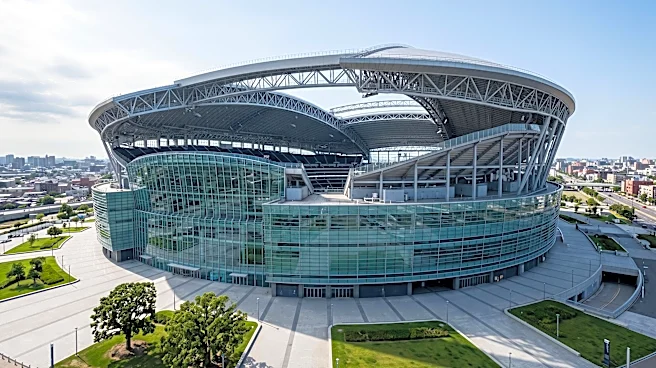
for essential infrastructure projects, including a new stadium and training ground. The Athletic reported that this sale would involve issuing new shares, which would dilute the current shareholdings of PIF and the Reuben family from 84% to 63% and 16% to 12%, respectively. The proceeds from this sale, estimated to be up to £500 million based on a club valuation of up to £2 billion, would be directly invested into the club's infrastructure rather than going to PIF or the Reubens. This strategy aligns with previous statements from Yasir Al-Rumayyan, Governor of PIF, and Amanda Staveley, who indicated a long-term business plan focused on increasing the club's valuation through strategic investments.
Why It's Important?
This financial strategy is significant as it demonstrates a shift towards leveraging external investment for major capital projects rather than solely relying on direct funding from PIF. By bringing in new investors, Newcastle United aims to finance substantial infrastructure developments, which are crucial for the club's long-term growth and competitiveness in the Premier League. This approach could reduce the financial exposure of PIF and the Reuben family while still securing the necessary capital for ambitious projects like a new stadium, estimated to cost around £1.3 billion. The involvement of financial institutions like Goldman Sachs suggests a sophisticated financing model, potentially involving market debt, which could set a precedent for how major sports clubs fund large-scale developments. For the U.S. financial sector, this could represent opportunities for investment banks and institutional investors looking to participate in the global sports market.
What's Next?
The next steps involve the formalization of the stake sale, including identifying potential investors and structuring the deal. The involvement of JPMorgan is being considered to facilitate the sale of up to 25% of Newcastle United. Once new investors are secured, the focus will shift to the execution of the infrastructure projects, particularly the new stadium and training ground. This will entail significant planning, design, and construction phases, likely spanning several years. The club will also need to manage the financial implications of taking on market debt, as former Manchester City financial advisor Stefan Borson noted that interest rates could lead to substantial annual costs, potentially around £75 million. The success of these infrastructure projects will be critical in enhancing the club's revenue streams and overall valuation, aligning with PIF's long-term investment goals.
Beyond the Headlines
This development highlights a broader trend in professional sports where clubs are increasingly seeking diverse funding sources beyond traditional ownership capital to finance ambitious growth plans. The decision to sell a minority stake rather than solely relying on PIF's direct funding reflects a strategic move to diversify risk and attract external capital, which could be seen as a more sustainable financial model for long-term development. It also underscores the growing valuation of Premier League clubs as attractive investment opportunities for global investors. The ethical and economic implications of sovereign wealth funds investing in global sports remain a topic of discussion, but this move indicates a more market-oriented approach to financing major club assets. The success of this strategy could influence other sports franchises globally to explore similar financing mechanisms for their infrastructure needs.