






What's Happening?
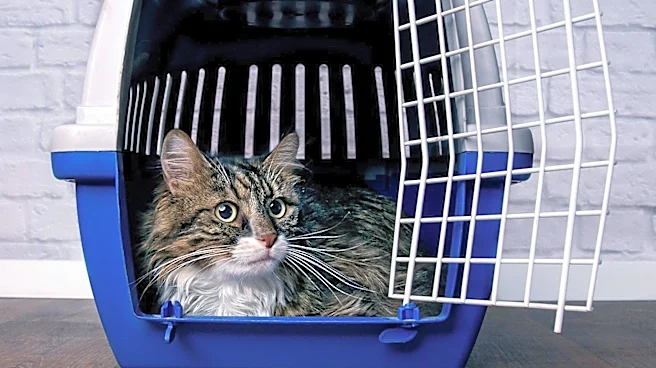
Traveling with pets necessitates thorough preparation to mitigate common issues that can lead to stressful experiences for both pets and owners. Key recommendations include integrating pets into the travel itinerary, ensuring they have enjoyable experiences,
and having essential safety equipment such as leashes, harnesses, or carriers readily available. Preparation should commence weeks in advance to allow pets to acclimate to new items like carriers. It is crucial to confirm pet policies, restrictions, and requirements with accommodations, airlines, and attractions before departure. For instance, air travel requires researching airline and breed restrictions, as well as health certificate requirements. Additionally, owners should be aware that 'pet-friendly' does not always mean unrestricted access and should plan for downtime for their pets, as unfamiliar environments can be physically and mentally exhausting. Dr. Dani Shecter, a veterinarian and medical director at Boston Veterinary Clinic, emphasizes that a quiet pet is not necessarily a calm one, and signs like panting or lip-licking can indicate stress.
Why It's Important?
The careful planning of pet travel is important for the well-being of companion animals and the overall success of trips for their owners. Neglecting proper preparation can lead to increased stress for pets, potentially resulting in behavioral issues or health concerns in unfamiliar environments. For owners, unexpected restrictions or a pet's discomfort can disrupt travel plans, incur additional costs, or even force early termination of a trip. The emphasis on pre-trip acclimation to carriers and safety equipment highlights the importance of positive reinforcement and gradual introduction to new experiences, which can prevent anxiety and ensure safety during transit. Furthermore, understanding that 'pet-friendly' policies often come with specific rules, such as crating requirements or cleaning fees, helps owners budget and plan more effectively, avoiding unforeseen expenses or inconveniences. This proactive approach ensures a more harmonious travel experience, benefiting both pets and their human companions.
What's Next?
Pet owners planning future travel should begin preparations weeks in advance, focusing on acclimating their pets to travel-related items like carriers and restraints. Before booking, they should meticulously research and confirm pet policies, restrictions, and requirements for all aspects of their trip, including accommodations, airlines, and planned activities. This includes checking for breed restrictions and health certificate mandates for air travel. Owners should also create a 'calming toolkit' with familiar items and enrichment toys to help pets adjust to new environments. During travel, it will be essential to schedule frequent breaks for pets, avoid over-exercising them before long journeys, and balance a busy itinerary with sufficient downtime. Additionally, preparing for emergencies by identifying nearby veterinary hospitals and having updated pet identification and medical records readily accessible is a critical next step for responsible pet travel.
Beyond the Headlines
The increasing trend of pet ownership and the desire to include pets in family activities, including travel, underscores a broader societal shift in how companion animals are viewed—as integral family members rather than mere possessions. This shift has significant implications for the travel and hospitality industries, driving demand for more comprehensive pet-friendly services and accommodations. The need for detailed planning and awareness of pet behavior during travel also highlights a growing understanding of animal psychology and welfare. As more people travel with pets, there's a potential for increased regulatory scrutiny on pet travel conditions, particularly in air transport, and a greater emphasis on standardized pet-friendly certifications across various businesses. This evolution could lead to innovations in pet travel products, services, and even urban planning, with more public spaces designed to accommodate pets, reflecting a deeper integration of animals into human daily life and leisure activities.