





What's Happening?
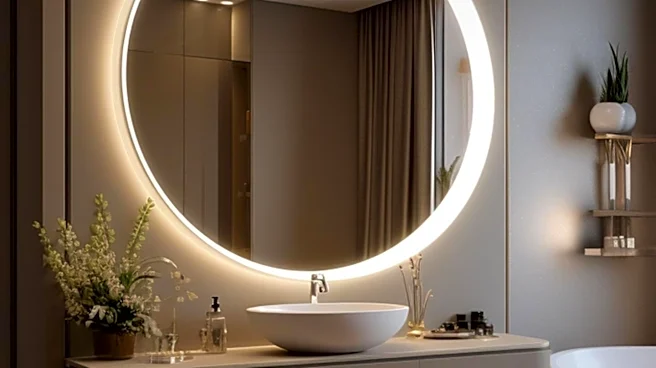
LED mirrors are becoming a prominent feature in modern bathroom design, integrating illumination directly into the mirror surface. This technology offers improved vanity lighting, which is beneficial for daily grooming tasks, and contributes to a more
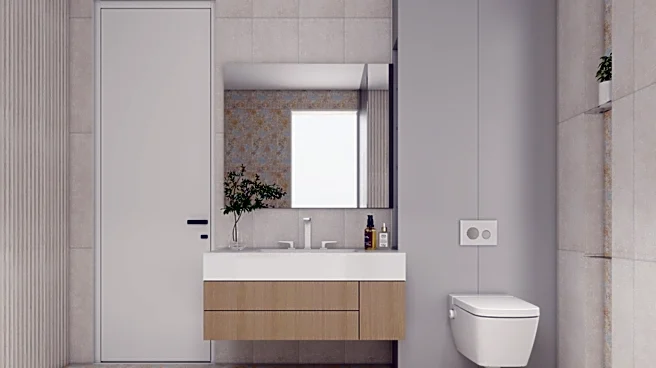
contemporary and uncluttered aesthetic. Unlike traditional mirrors that rely on separate wall fixtures, LED mirrors combine reflection with built-in lighting, creating a coordinated and streamlined look. These mirrors are available in various shapes and sizes, including minimalist round designs, soft backlit options, large statement pieces, and vertical configurations for compact spaces. The integration of LED technology allows for features such as touch controls, dimming capabilities, anti-fog functionality, and multiple color temperature options, enhancing convenience and user experience. The design flexibility of LED mirrors enables them to fit diverse bathroom layouts and styles, from minimalist to luxurious interiors, by coordinating with existing finishes and materials.
Why It's Important?
The growing adoption of LED mirrors signifies a shift in bathroom design towards greater integration of technology and functionality. For consumers, this means access to more efficient and aesthetically pleasing lighting solutions that can improve daily routines. The enhanced illumination provided by these mirrors is particularly important for tasks requiring clear visibility, such as shaving or applying makeup. From an industry perspective, the demand for smart mirror features drives innovation in home technology and interior design. Manufacturers are focusing on combining practical features with sleek designs, catering to a market that values both form and function. This trend also impacts the broader home improvement sector, influencing choices in cabinetry, wall lighting, and overall bathroom layouts. The ability to customize lighting settings and incorporate anti-fog features adds significant value, making these mirrors a desirable upgrade for homeowners seeking modern conveniences and a polished living space.
What's Next?
The market for smart vanity technology is expected to continue expanding, with ongoing advancements in integrated features and design options. Consumers can anticipate more sophisticated touch control systems, improved anti-fog technologies, and potentially further integration with smart home ecosystems. Manufacturers will likely focus on developing mirrors that offer even greater customization in terms of lighting appearance and functionality, catering to individual preferences and specific bathroom needs. The emphasis on energy efficiency and sleek design will also drive product development, with new models aiming to provide both practical value and aesthetic appeal. As LED technology becomes more accessible, these mirrors may become a standard feature in new home constructions and renovations, further solidifying their presence in modern bathrooms. The trend suggests a future where bathroom mirrors are not just reflective surfaces but intelligent, multi-functional devices.
Beyond the Headlines
The rise of smart vanity technology, particularly LED mirrors, reflects a broader societal trend towards integrating technology into everyday living spaces to enhance comfort and convenience. Beyond their immediate practical benefits, these mirrors contribute to a more refined and personalized home environment, aligning with the growing desire for minimalist yet highly functional interiors. The ethical implications revolve around the balance between technological advancement and user privacy, especially as mirrors become 'smarter' and potentially collect data. Culturally, the shift towards integrated lighting and smart features in bathrooms underscores an evolving perception of the bathroom as a sanctuary rather than merely a functional room. This transformation influences design philosophies, encouraging a holistic approach where every element, including the mirror, plays a crucial role in creating a cohesive and comfortable space. The long-term impact could see bathrooms becoming increasingly automated and interconnected, offering a seamless and intuitive user experience.