






What's Happening?
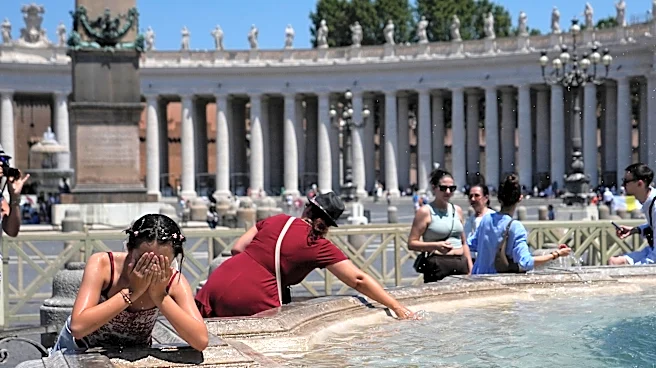
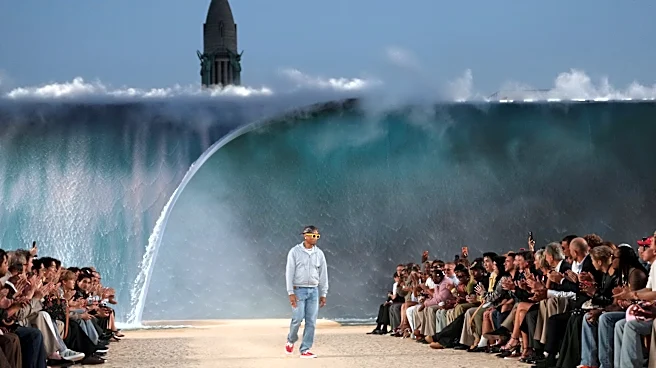
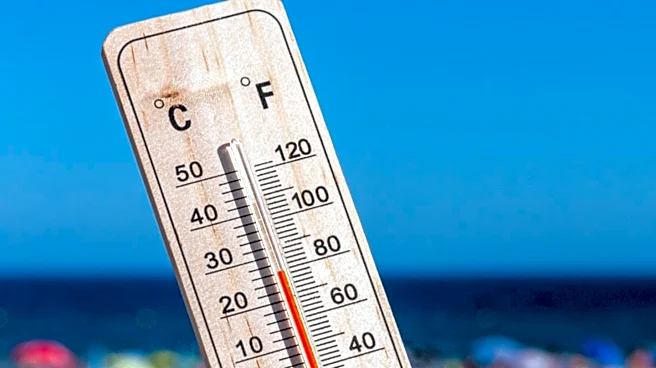
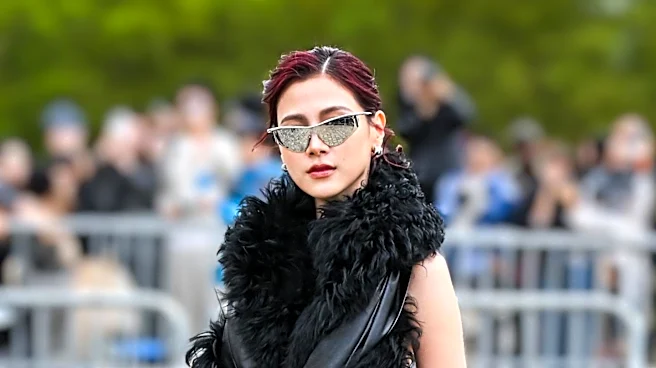
Paris Fashion Week, a major event in the global fashion industry, is grappling with the effects of a historic heat wave that has hit the French capital. The extreme temperatures have posed significant challenges for fashion houses, which have struggled
to keep guests cool with measures such as mist machines and chilled towels. The heat has raised questions about the viability of holding such events during the summer months, as climate change leads to more frequent and intense heat waves. The situation has highlighted the need for the fashion industry to adapt to changing weather patterns, as traditional venues and schedules may no longer be suitable.
Why It's Important?
The impact of the heat wave on Paris Fashion Week underscores the broader challenges that climate change poses to industries reliant on fixed schedules and outdoor events. As temperatures rise, the fashion industry, which is a significant contributor to the French economy, may need to reconsider its traditional calendar and venues. This situation also reflects a larger trend where industries worldwide must adapt to the realities of climate change, potentially leading to shifts in how events are organized and conducted. The fashion industry's response could set a precedent for other sectors facing similar challenges.
What's Next?
The fashion industry may need to explore alternative scheduling and venue options to mitigate the impact of future heat waves. This could involve moving events to cooler months or investing in infrastructure that can better handle extreme temperatures. Additionally, there may be increased pressure on fashion houses to incorporate sustainability into their practices, not only in terms of materials and production but also in how events are organized. Stakeholders, including designers, buyers, and policymakers, will likely engage in discussions on how to balance tradition with the need for adaptation.