








What's Happening?
Nvidia CEO Jensen Huang recently discussed the historical factors that contributed to Taiwan's dominance in semiconductor manufacturing. He highlighted a 'forgotten 1950s European alliance' involving the Dutch electronics manufacturer Philips, which played
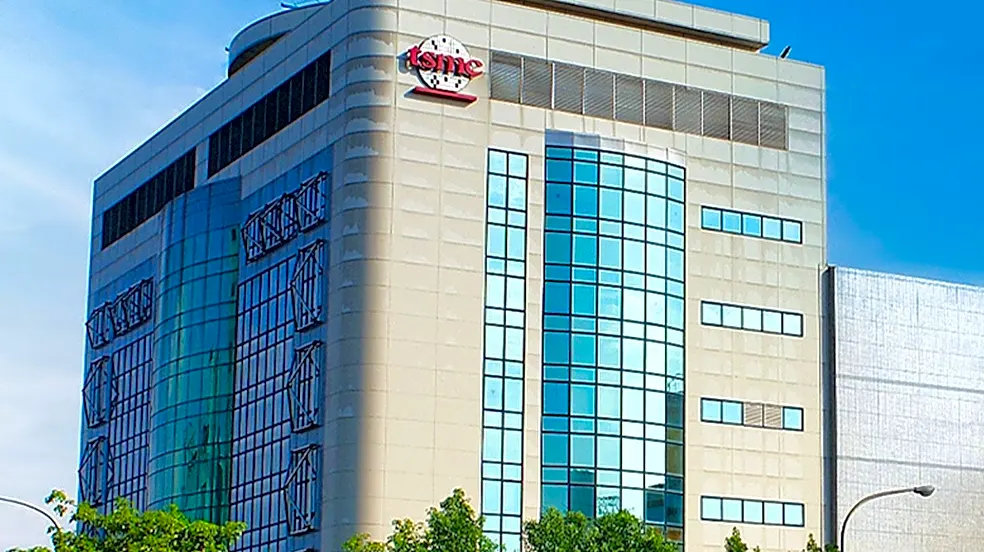
a crucial role in establishing Taiwan's electronics industry. According to Huang, Taiwanese economic planner Li Kwoh-ting actively sought foreign expertise, leading to Philips' involvement. This partnership introduced industrial knowledge and production capabilities, laying the groundwork for companies like Taiwan Semiconductor Manufacturing Company (TSMC) and Dutch equipment supplier ASML to become central to advanced chip production and lithography systems, respectively. Taiwan now manufactures over 90% of the world's most advanced semiconductors, making it strategically vital for global technology supply chains.
Why It's Important?
Jensen Huang's insights underscore the long-term strategic planning and international collaborations that shaped Taiwan's critical role in the global semiconductor industry. For the U.S., this historical context is important as it highlights the fragility and complexity of the global supply chain for advanced chips, which are essential for everything from consumer electronics to national defense and artificial intelligence. The reliance on Taiwan for over 90% of advanced semiconductors presents both economic and geopolitical vulnerabilities. Understanding the origins of this concentration can inform U.S. policy decisions regarding domestic chip manufacturing initiatives, such as the CHIPS Act, and efforts to diversify supply chains. It also emphasizes that building a robust semiconductor ecosystem requires decades of sustained investment, technological transfer, and strategic partnerships, rather than quick fixes.
What's Next?
The U.S. and other nations are likely to continue pursuing strategies aimed at strengthening their domestic semiconductor manufacturing capabilities and diversifying their supply chains. This includes significant investments in new fabrication plants and research and development. Taiwan, meanwhile, will likely continue to leverage its established expertise and infrastructure to maintain its leadership, while also navigating geopolitical pressures. The increasing demand for advanced chips, particularly for AI applications, will further intensify competition and collaboration within the industry. Understanding the historical foundations of Taiwan's success, as highlighted by Huang, can provide valuable lessons for countries attempting to replicate or enhance their own semiconductor ecosystems, emphasizing the need for long-term vision and international cooperation.
Beyond the Headlines
Beyond the immediate economic and technological implications, Huang's narrative touches upon the broader themes of industrial policy, globalization, and the strategic importance of technological leadership. The story of Philips' involvement in Taiwan illustrates how targeted foreign investment and knowledge transfer can catalyze national industrial development over decades. This historical perspective challenges the notion that technological dominance is solely a result of internal innovation, emphasizing the role of international partnerships and strategic foresight. In an era of increasing geopolitical competition, the origins of Taiwan's chip empire serve as a powerful reminder of how interconnected global economies are and how historical decisions can have profound, long-lasting impacts on global power dynamics and technological progress. It also highlights the ethical considerations of relying heavily on a single region for critical technologies and the imperative for resilient supply chains.