







What's Happening?
Journaling is characterized as a self-directed reflective activity that enables individuals to document experiences and identify patterns in their lives. This practice is explicitly differentiated from psychotherapy, emphasizing that while journaling
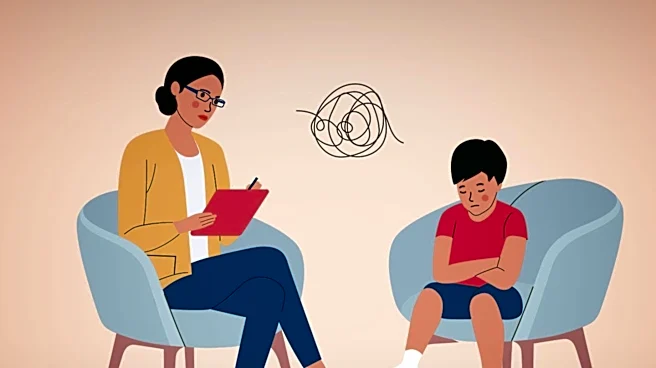
can be a beneficial tool for self-exploration and understanding, it does not serve as a substitute for professional therapeutic intervention. The distinction highlights that journaling is a personal endeavor focused on self-observation and recording, whereas psychotherapy involves a professional relationship with a therapist, structured dialogue, and specific treatment goals. The source underscores that journaling can help individuals process thoughts and feelings without the formal framework and ethical considerations inherent in a therapeutic setting.
Why It's Important?
This clarification is important for public understanding of mental health practices and self-help tools. In an age where self-care activities are widely promoted, it is crucial to distinguish between informal reflective practices like journaling and professional mental health treatments. Misconceptions could lead individuals to rely solely on journaling for severe mental health issues, potentially delaying or neglecting necessary professional care. By clearly stating that journaling is not psychotherapy, the information helps individuals make informed decisions about their mental well-being, encouraging them to seek appropriate professional help when dealing with significant distress, mental health conditions, or trauma-related symptoms. It also validates journaling as a valuable, yet distinct, activity for personal growth and self-awareness.
What's Next?
The ongoing discourse around mental health and self-care will likely continue to emphasize the importance of both self-directed practices and professional support. Educational initiatives may further elaborate on the complementary roles of activities like journaling and formal therapy. Individuals engaging in journaling might be encouraged to view it as a supportive practice that can enhance the benefits of therapy, rather than an alternative. Mental health professionals may also integrate journaling as a supplementary tool within their therapeutic approaches, guiding clients on how to use it effectively for self-reflection and tracking progress. This distinction will continue to shape how self-help resources are presented and utilized by the public.
Beyond the Headlines
The nuanced differentiation between journaling and psychotherapy reflects a broader societal effort to define and professionalize mental health services while still promoting accessible self-care. It touches upon ethical considerations in mental health, ensuring that individuals understand the scope and limitations of various practices. This distinction also implicitly encourages critical thinking about health information, urging individuals to evaluate whether a self-help method is appropriate for their specific needs or if professional intervention is required. Ultimately, it contributes to a more informed public discourse on mental health, fostering a balanced approach that values both personal agency in self-care and the expertise of trained professionals.