

What's Happening?
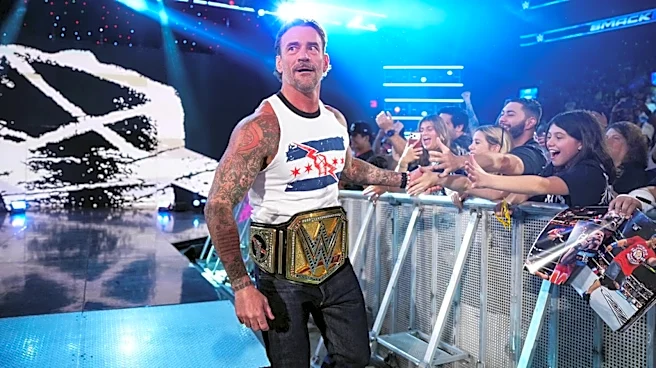
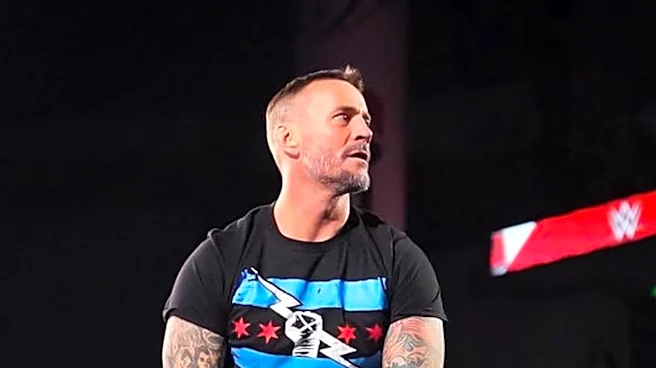
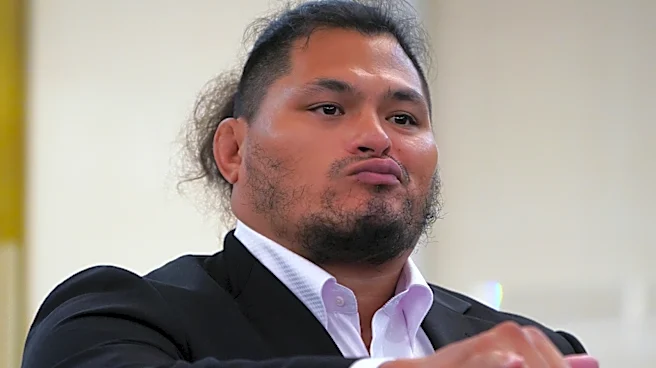
During a recent episode of "SmackDown," Undisputed WWE Champion CM Punk made a comment referring to the WWE locker room as "his," which has drawn criticism from wrestling veteran Bully Ray. On Monday's "Busted Open Radio," Bully Ray stated that while
he understands the scripted nature of wrestling promos, Punk's remark made him appear "selfish and egomaniacal." Bully Ray contrasted Punk's statement with the behavior of past locker room leaders in promotions like ECW and the Attitude Era WWE, noting that figures like The Undertaker, despite being the boss, never referred to the locker room as solely their own. The ongoing verbal exchanges between Punk and his upcoming opponent, Kevin Owens, have frequently blurred the lines between kayfabe and real-life history, including references to their past heat in Ring of Honor and Punk's controversial departure from AEW before his 2023 WWE return. Owens, in a related promo, suggested Punk had burned bridges and that his attempts to make amends were disingenuous.
Why It's Important?
This incident highlights the intricate dynamics of professional wrestling, where scripted narratives often intertwine with real-life perceptions and historical context. For WWE, the controversy surrounding Punk's comments can generate increased interest and viewership for his championship defense against Kevin Owens, leveraging the 'us vs. them' mentality that often resonates with wrestling fans. The criticism from a respected figure like Bully Ray, known for his candid commentary, adds a layer of authenticity to the storyline, making the rivalry feel more personal and intense. This kind of narrative can impact fan engagement, potentially drawing in viewers who are invested in the behind-the-scenes drama as much as the in-ring action. For CM Punk, while the comment was part of a promo, it reinforces a perception of his character that some fans and industry insiders have held, potentially polarizing his audience but also solidifying his heel (villain) persona if that is the intended direction. The blurring of lines between reality and fiction is a classic wrestling trope that, when executed effectively, can significantly boost the appeal and commercial success of major events.
What's Next?
The immediate next step will be the Undisputed WWE Championship match between CM Punk and Kevin Owens in Toronto. The build-up to this match will likely continue to feature intense verbal exchanges, with Owens potentially capitalizing on Punk's 'egomaniacal' image to further fuel their rivalry. The reaction from the WWE audience during the match and in subsequent shows will be crucial in determining the long-term impact of Punk's comments and Bully Ray's criticism. If Punk continues to lean into this persona, it could solidify his role as a polarizing figure within the company, potentially leading to more intense rivalries and character development. Conversely, if the backlash is significant, WWE might adjust his character's direction. The ongoing narrative will also influence merchandise sales, viewership numbers for WWE programming, and the overall perception of CM Punk's current run with the company. Future promos and interviews from both Punk and Owens will be closely scrutinized for further insights into their evolving storyline.
Beyond the Headlines
Beyond the immediate storyline, this situation touches upon the broader ethical and professional conduct expectations within the wrestling industry, even within a scripted environment. Bully Ray's comparison to past locker room leaders like The Undertaker underscores a traditional code of conduct and respect that has historically governed professional wrestling. Punk's comment, even if scripted, can be seen as a deliberate challenge to these unwritten rules, potentially reflecting a shift in how modern wrestling characters interact with the established hierarchy. This could spark discussions among fans and industry veterans about the evolving nature of locker room leadership and the balance between maintaining kayfabe and upholding professional decorum. The incident also highlights the power of language in shaping public perception and character portrayal, demonstrating how a single phrase can ignite significant debate and influence how a performer is viewed by their peers and the audience. It also serves as a meta-commentary on the wrestling business itself, where the lines between reality and performance are constantly negotiated and exploited for dramatic effect.