








What's Happening?
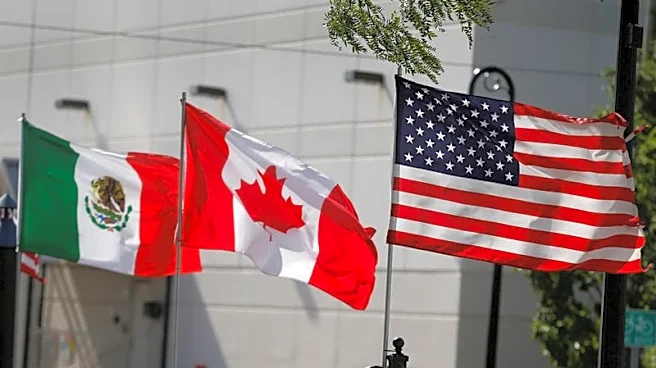
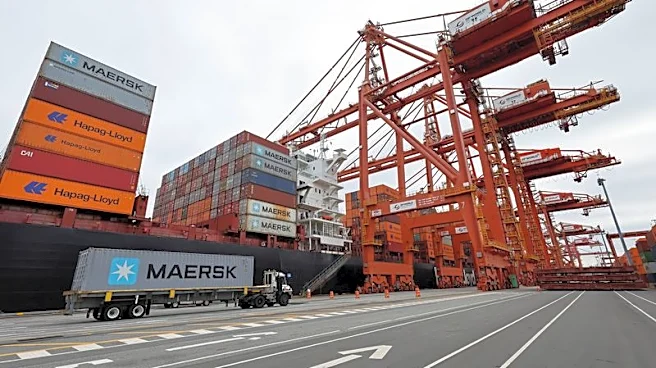
The United States is initiating the six-year review of the United States-Mexico-Canada Agreement (USMCA), a significant trade pact that supports integrated North American supply chains. U.S. officials are set to meet virtually with their counterparts
from Mexico and Canada to discuss the future of the agreement. The USMCA, signed into law in 2020, is crucial for agricultural exports, with Mexico and Canada being major markets for U.S. corn, pork, and ethanol. The review will determine whether the agreement will be extended or enter an annual review process, potentially leading to its expiration in 2036. Farm organizations across North America are advocating for an early renewal to ensure market stability. The U.S. administration appears to favor resolving trade disputes through bilateral agreements rather than reopening the USMCA for comprehensive renegotiation.
Why It's Important?
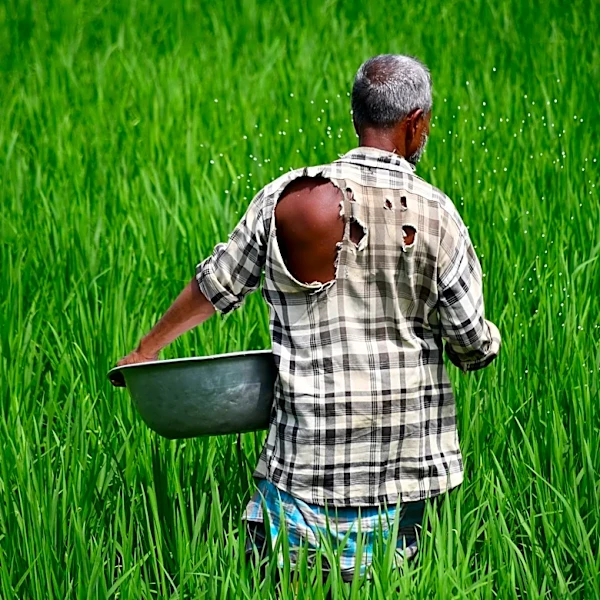
The USMCA is vital for maintaining stable trade relations and economic integration among the U.S., Canada, and Mexico. It supports a significant portion of U.S. agricultural exports, valued at $60 billion, and provides certainty in a sector often affected by unpredictable factors like weather and yields. An early renewal of the agreement would reassure farmers and agribusinesses, ensuring continued access to key markets. The U.S. administration's preference for bilateral agreements over a full renegotiation of the USMCA suggests a focus on addressing specific trade irritants, such as Canada's dairy quotas and disputes over U.S. apples with Mexico. This approach could prevent potential disruptions in trade relations and maintain the benefits of the existing agreement.
What's Next?
The review process will involve discussions between the U.S., Canada, and Mexico to decide on the extension of the USMCA. If the countries do not agree to extend the treaty, it could expire in 2036. The U.S. administration's strategy of addressing trade issues through bilateral agreements may lead to targeted resolutions of specific disputes, potentially avoiding a comprehensive renegotiation. Stakeholders, including farm organizations and trade alliances, will likely continue to advocate for the agreement's renewal to ensure market stability and economic benefits for all three countries.