







What's Happening?
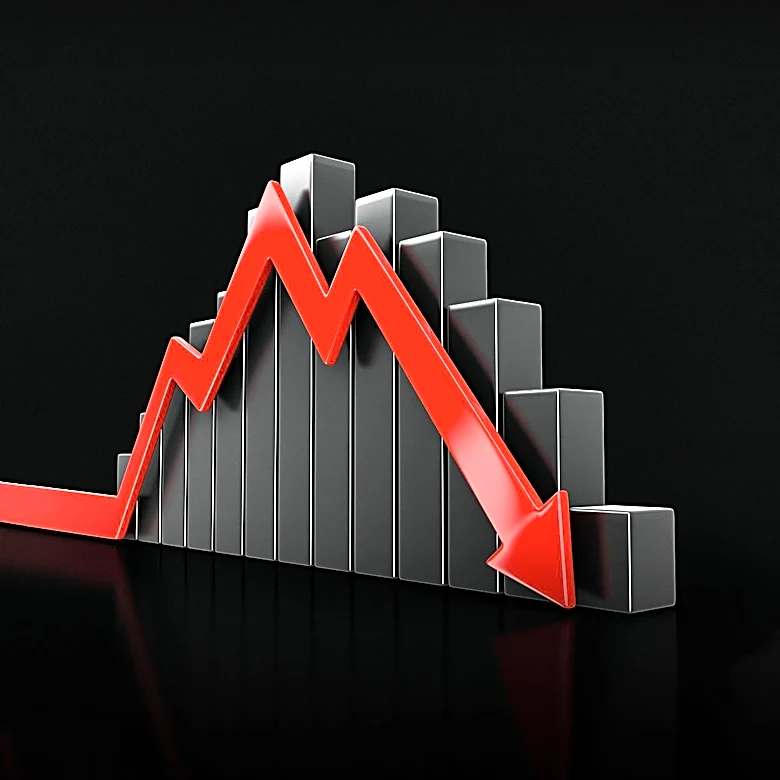
Foreclosure rates in the United States have risen to their highest level since 2019, with 228,000 homes experiencing foreclosure filings in the first half of 2026. This marks a 21% increase from the previous year. The rise in foreclosures is attributed
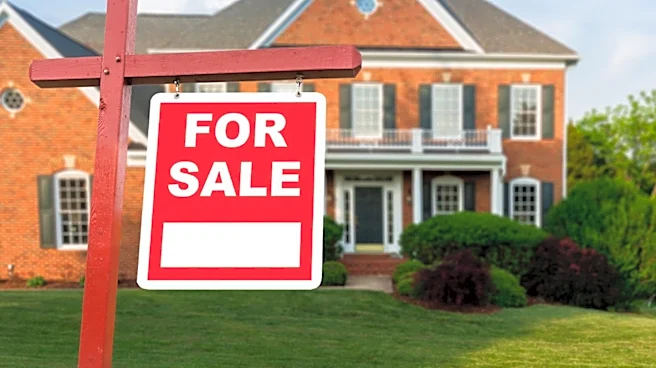
to the end of Covid-era mortgage relief programs in 2024 and the increasing costs of homeownership. Despite the uptick, foreclosure rates remain below the levels seen during the 2008 subprime mortgage crisis. Foreclosed homes are often sold at a discount, approximately 27% below market value, as lenders aim for quick sales. These properties are typically sold 'as-is,' requiring buyers to handle necessary repairs. The increase in foreclosures is most notable in lower-cost areas, where buyers often have lower incomes and less financial flexibility.
Why It's Important?
The rise in foreclosure rates presents both challenges and opportunities within the U.S. housing market. For potential homebuyers, especially those with experience in navigating complex transactions and willing to undertake renovations, foreclosed properties offer a chance to purchase homes at reduced prices. However, the increase in foreclosures also highlights ongoing economic pressures faced by homeowners, particularly in the wake of the pandemic and the cessation of relief programs. This trend could signal broader economic vulnerabilities, as more homeowners struggle to meet mortgage obligations. Additionally, the concentration of foreclosures in lower-cost areas may exacerbate economic disparities, affecting communities with already limited financial resources.
What's Next?
As foreclosure rates continue to rise, it is likely that more properties will enter the market, potentially increasing the availability of affordable housing options. However, the complexities involved in purchasing foreclosed homes may deter some buyers, leading to prolonged market listings. Policymakers and housing advocates may need to address the underlying economic challenges contributing to the rise in foreclosures, such as housing affordability and access to financial assistance. The real estate market will need to adapt to these changes, potentially influencing housing prices and market dynamics in affected areas.
Beyond the Headlines
The increase in foreclosures could have long-term implications for the housing market and economic stability. As more properties become available at discounted rates, there may be shifts in neighborhood demographics and property values. Additionally, the legal and financial complexities associated with foreclosures could lead to increased demand for legal and financial advisory services. The trend also raises questions about the effectiveness of past relief measures and the need for ongoing support for vulnerable homeowners.