


What's Happening?
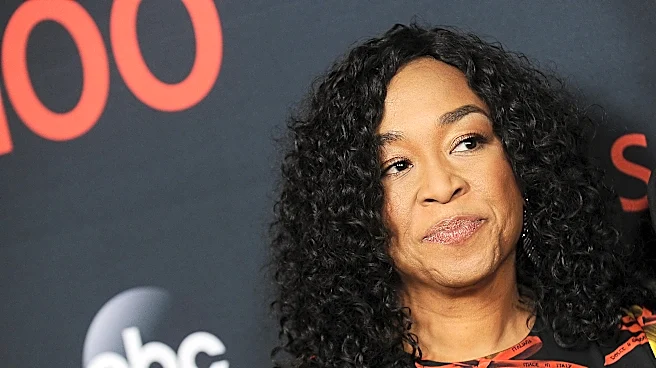
The popular political drama 'Scandal,' created by Shonda Rhimes and starring Kerry Washington, is scheduled to leave Netflix on December 17, 2026. This marks the second time the series has departed the streaming platform, having previously left in 2020
after an initial run from 2014. The show, which returned to Netflix in June 2025, consists of 124 episodes across seven seasons. Viewers have approximately one month to binge-watch the series before its removal. Fortunately, 'Scandal' will continue to be available for streaming on Hulu and Disney+, as the series was originally an ABC production, and Disney now owns both ABC and Hulu. The licensing agreement with Netflix was non-exclusive and for an 18-month period, allowing Disney to maintain the show on its own platforms.
Why It's Important?
The departure of 'Scandal' from Netflix highlights the evolving landscape of content licensing and streaming platform competition. As major media companies like Disney consolidate their intellectual property onto their proprietary streaming services, non-exclusive licensing deals with platforms like Netflix are becoming more temporary. This trend impacts subscribers who may need to subscribe to multiple services to access their preferred content, potentially leading to increased subscription costs or fragmented viewing experiences. For Netflix, the loss of popular licensed content could influence subscriber retention, while for Disney-owned platforms, it strengthens their content libraries and competitive position in the streaming market. The move underscores the strategic importance of exclusive content rights in the ongoing 'streaming wars.'
What's Next?
Subscribers wishing to watch 'Scandal' on Netflix must complete all 124 episodes by December 16, 2026. Following its departure from Netflix, the series will remain accessible on Hulu and Disney+. While there is a possibility for Netflix to negotiate an extension of the licensing agreement, the current arrangement indicates a shift towards content consolidation by original rights holders. This situation may prompt other content creators and distributors to re-evaluate their licensing strategies, potentially leading to more exclusive content deals and fewer shared titles across different streaming platforms. Viewers can anticipate similar content shifts as media companies continue to prioritize their own streaming ecosystems.
Beyond the Headlines
The recurring movement of 'Scandal' between streaming platforms illustrates a broader industry trend where content ownership dictates availability. This dynamic can create a sense of impermanence for viewers, who may find their favorite shows migrating between services. From a business perspective, it reflects the strategic value of content as a subscriber acquisition and retention tool. The 'Scandal' case, a show with a 94% Rotten Tomatoes score and a significant cultural impact during its original run, demonstrates that even highly popular series are subject to these licensing shifts. This trend could lead to a more fragmented streaming market, where consumers must navigate a complex web of subscriptions to access a comprehensive library of content, potentially influencing future consumer behavior and streaming service business models.