







What's Happening?
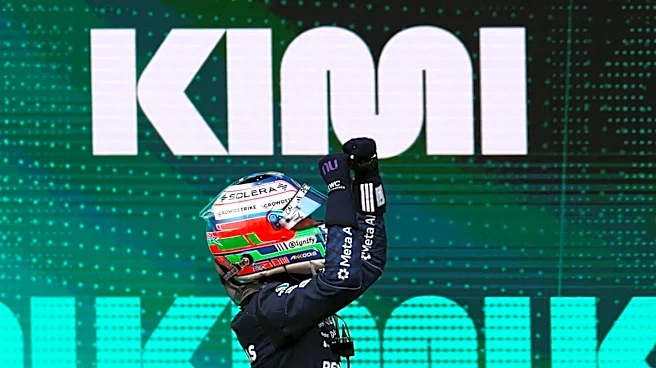
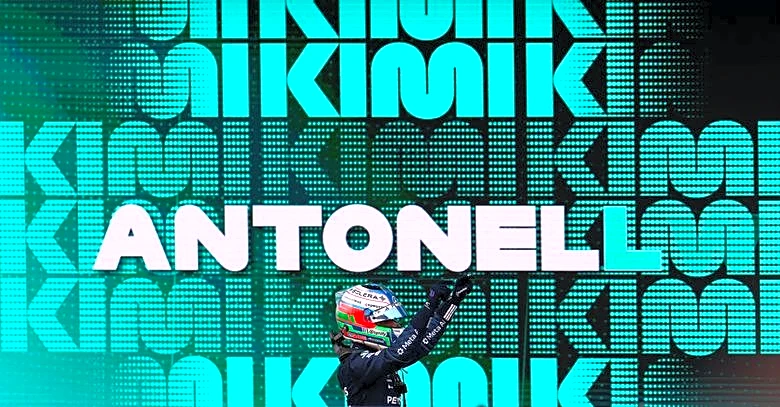
Kimi Antonelli, the Mercedes driver, is on the verge of securing his maiden Formula 1 world championship, needing only two additional points at the upcoming Mexican Grand Prix to mathematically clinch the title. His recent victory at the United States
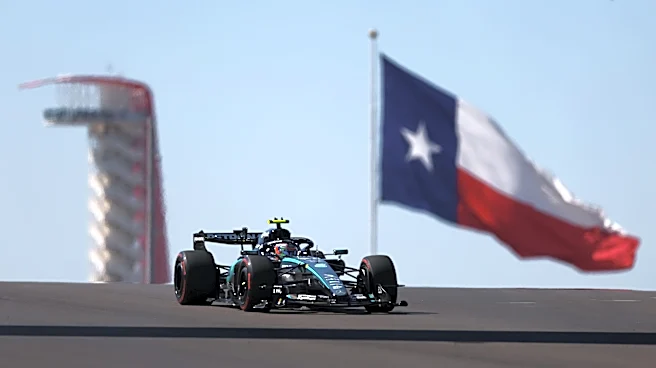
Grand Prix, his ninth win of the 2026 season, has given him a 123-point lead over teammate George Russell, with Lewis Hamilton a further point behind. Antonelli has expressed his intention to continue racing with the number 12, rather than adopting the prestigious number 1 traditionally used by reigning champions. This decision is influenced by his admiration for Ayrton Senna, who also raced with number 12, and his desire to maintain the number he has used throughout his junior career and since his Formula 1 debut in 2025.
Why It's Important?
Antonelli's impending championship win marks a significant moment in Formula 1, potentially making him the youngest champion in the sport's history, surpassing Sebastian Vettel's record from 2010. His choice to retain number 12, following the precedent set by Lewis Hamilton with number 44, reflects a growing trend among drivers to personalize their racing identity rather than adhere to traditional championship symbols. This decision could influence future champions to prioritize personal connection over historical convention, further shaping the individual branding within the sport. For Mercedes, securing another championship with a young talent like Antonelli solidifies their position at the forefront of Formula 1 and validates their investment in nurturing young drivers. The narrative of a young driver achieving such success also generates significant fan interest and engagement.
What's Next?
The immediate focus is on the Mexican Grand Prix, where Antonelli needs to finish ninth or better to guarantee the championship, regardless of his rivals' results. Even a tenth-place finish could be sufficient if George Russell does not win the race. If neither Russell nor Hamilton wins in Mexico, Antonelli will be crowned champion irrespective of his own performance. Following the championship, discussions will likely revolve around his future within Mercedes and the potential for him to break more records. His decision to keep number 12 will be a talking point, potentially inspiring other drivers. The team will also be looking to leverage his success for marketing and brand reinforcement, while Antonelli himself will aim to build on this achievement in subsequent seasons.
Beyond the Headlines
Antonelli's preference for number 12 over the traditional number 1 delves into the evolving culture of personal branding and identity within professional sports. In an era where athletes are increasingly recognized for their individual narratives, choosing a number with personal significance, like Senna's, allows Antonelli to forge a unique legacy. This move subtly challenges the established norms of Formula 1, emphasizing individual expression over historical hierarchy. It also highlights the deep respect and influence that past legends like Ayrton Senna continue to have on new generations of drivers. This personal choice, while seemingly minor, contributes to the broader story of how modern athletes navigate tradition and personal identity in their careers, potentially inspiring a new generation of fans and drivers.