
What's Happening?
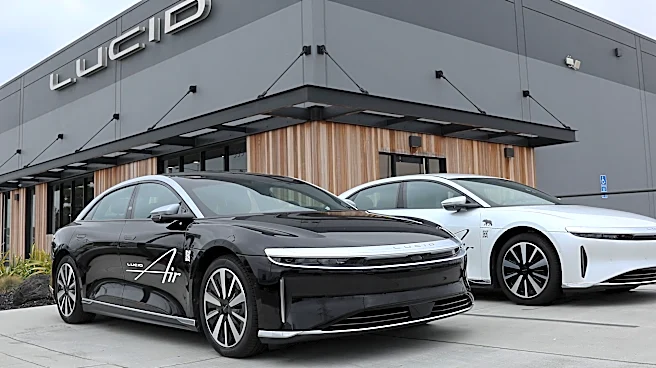
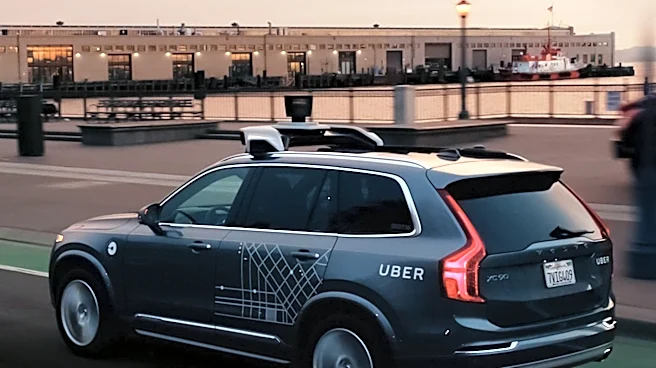
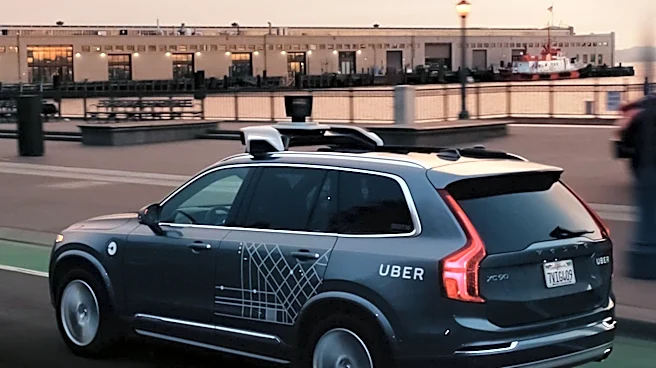
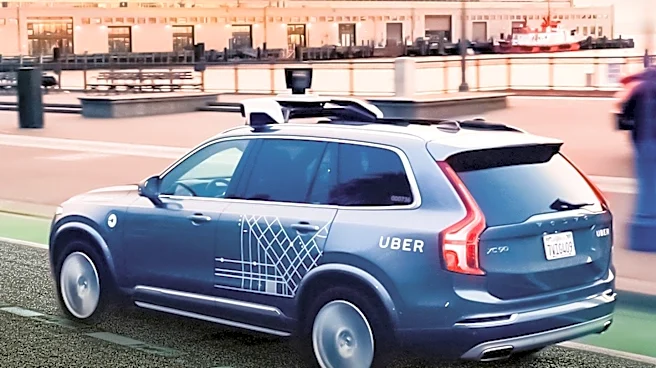
Uber, in partnership with Nuro and Lucid, has commenced fully driverless testing of Lucid Gravity robotaxis on public roads across four South Bay cities in California. This marks the first time these vehicles
are operating without human safety drivers, a significant step towards their planned commercial launch in the first quarter of 2027. The initial driverless tests are taking place in Palo Alto, Mountain View, Los Altos, and Sunnyvale, with Uber employees being the first passengers. This development follows the partners securing a California DMV Driverless Testing Permit in May 2026, which authorized them to conduct tests without a driver. Supervised tests in the Bay Area had been ongoing since December 2025. Uber has committed approximately $500 million each to Lucid and Nuro and plans to purchase at least 35,000 Lucid vehicles equipped with Nuro's autonomous system. Uber will manage the in-cabin experience and rider support, while passengers will summon the vehicles via the Uber app.
Why It's Important?
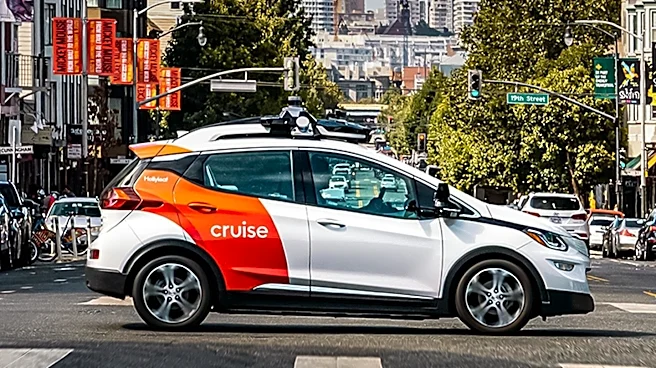
This move signifies a critical advancement in the autonomous vehicle industry and Uber's strategy to expand its ride-hailing services with driverless technology. By deploying fully autonomous vehicles, Uber aims to reduce operational costs associated with human drivers and potentially increase service efficiency. The collaboration between Uber, Nuro, and Lucid also highlights a diversified approach to autonomous vehicle development, where Nuro licenses its software to Lucid, rather than a single entity building vehicles end-to-end. This strategy could foster greater competition and innovation within the robotaxi market, potentially challenging the lead of companies like Waymo. The success of these driverless tests and the subsequent commercial launch could set a new precedent for urban transportation, offering consumers a novel and potentially more cost-effective mobility option. However, the safety and reliability of these driverless systems will be under intense scrutiny, influencing public acceptance and regulatory frameworks.
What's Next?
The partners are targeting a commercial launch in the first quarter of 2027, a slight delay from their original goal of late 2026, attributed to final permitting and product work. Uber plans to assemble a network of over 30 autonomous-vehicle partners and anticipates having at least 2,000 driverless vehicles on its platform by the end of next year. This strategy suggests an aggressive push to integrate autonomous technology into its core services. The ongoing driverless tests will likely focus on refining the autonomous system's performance, ensuring safety in various traffic conditions, and optimizing the user experience. Regulatory bodies, particularly the California DMV, will continue to monitor these operations closely, and future permits for broader deployment will depend on the successful demonstration of safety and reliability. The expansion of driverless services to more cities and the integration of more autonomous partners into Uber's platform are expected next steps.
Beyond the Headlines
The deployment of driverless robotaxis raises significant ethical and societal questions beyond the immediate technological advancements. Issues such as job displacement for human drivers, the legal framework for liability in autonomous vehicle accidents, and the potential for algorithmic bias in decision-making systems will become increasingly prominent. The public's trust in autonomous technology will be crucial for widespread adoption, necessitating transparent communication about safety protocols and incident reporting. Furthermore, the environmental impact of a large-scale robotaxi fleet, including energy consumption and infrastructure demands, will need to be assessed. This development could also reshape urban planning, potentially reducing the need for personal car ownership and altering traffic patterns. The competition among autonomous vehicle providers within Uber's app could lead to a dynamic market where different technologies and service models vie for consumer preference, ultimately influencing the future of urban mobility.