


What's Happening?
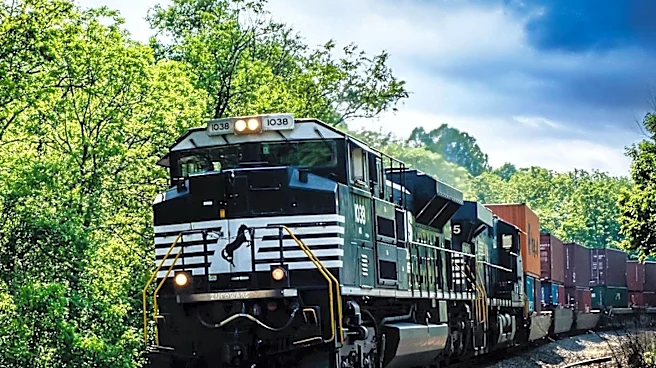
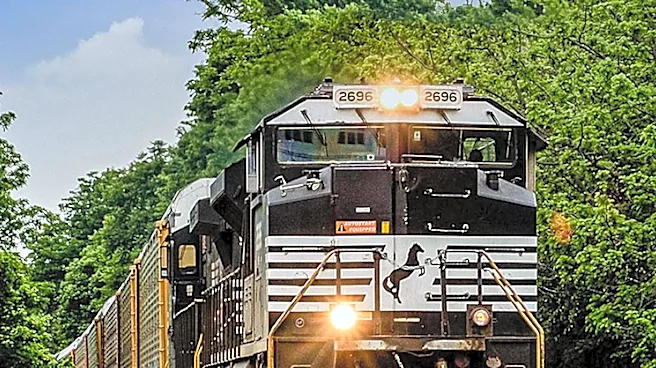
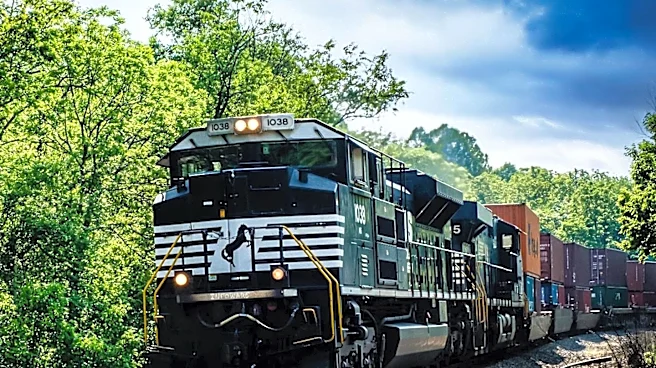
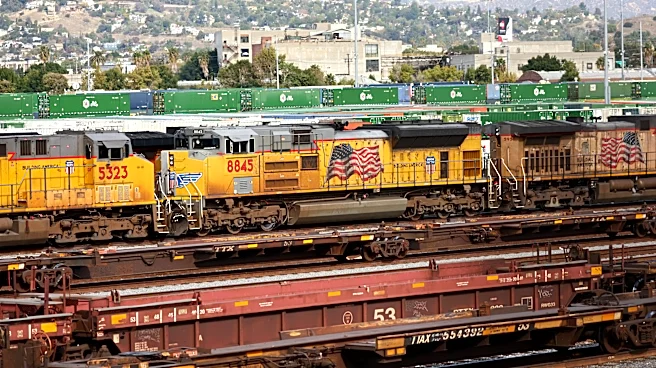
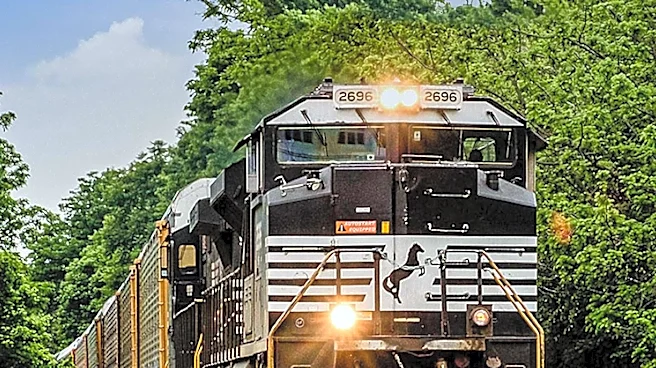
J.B. Hunt Transport has formally requested the Surface Transportation Board (STB) to reject the proposed merger between Union Pacific and Norfolk Southern. In comments filed on November 18, J.B. Hunt argued that the merger, as currently proposed, would
likely cause more harm than benefit to its intermodal customers. The company contends that the railroads have not provided sufficient assurances that operational efficiencies resulting from the merger would translate into lower customer costs. Furthermore, J.B. Hunt believes that intermodal shippers would lack meaningful remedies for service failures under the merged entity. Darren Field, Executive Vice President and President of Intermodal for J.B. Hunt, highlighted that the company moved approximately 2.25 million intermodal loads in the preceding 12 months and is a major customer of both BNSF Railway and Norfolk Southern, in addition to having commercial relationships with every Class I railroad. J.B. Hunt specifically challenged the railroads' projection of converting 1.2 million annual intermodal loads from highway transportation over three years, stating this forecast does not accurately reflect customer decision-making between truck and rail services.
Why It's Important?
This intervention by J.B. Hunt is significant because it comes from a major customer of both merging railroads and their competitors, rather than just a rival rail company. J.B. Hunt's argument underscores that a larger rail network does not automatically guarantee improved door-to-door transportation services. The company emphasizes that customers require competitive pricing, dependable equipment and capacity, reliable delivery, and viable alternative routes. The potential rejection or modification of the merger based on these concerns could have substantial implications for the U.S. freight shipping industry, impacting intermodal customers, logistics providers, and the competitive landscape of rail transportation. If the merger proceeds without addressing these issues, it could lead to reduced competition, potentially higher costs, and diminished service reliability for shippers, ultimately affecting supply chains across various U.S. industries.
What's Next?
The Surface Transportation Board will continue its review of the proposed Union Pacific and Norfolk Southern merger, taking into consideration the objections raised by J.B. Hunt and other stakeholders. The STB's decision will determine the future structure of a significant portion of the U.S. rail transportation network. Union Pacific and Norfolk Southern will likely need to address the concerns regarding shipper savings, competition, and service reliability to gain approval. The outcome could lead to either the merger's rejection, approval with conditions, or a revised proposal from the merging companies. Stakeholders, including other shippers, logistics companies, and potentially other rail operators, will be closely watching the STB's deliberations and subsequent ruling, which could set precedents for future rail industry consolidations.
Beyond the Headlines
The debate surrounding the Union Pacific-Norfolk Southern merger, particularly J.B. Hunt's opposition, highlights a fundamental tension in infrastructure consolidation: the balance between operational efficiency and market competition. While mergers often promise economies of scale and improved service through larger networks, they can also lead to reduced choices for customers and potential monopolistic practices. This case brings to the forefront the critical role of regulatory bodies like the STB in safeguarding market fairness and ensuring that large-scale business decisions do not inadvertently harm the broader economy or specific industries. The long-term implications extend to the resilience of U.S. supply chains, the cost of goods, and the competitiveness of American businesses that rely on efficient freight transportation. The decision will also reflect on the regulatory framework's ability to adapt to evolving market dynamics in the transportation sector.