



What's Happening?
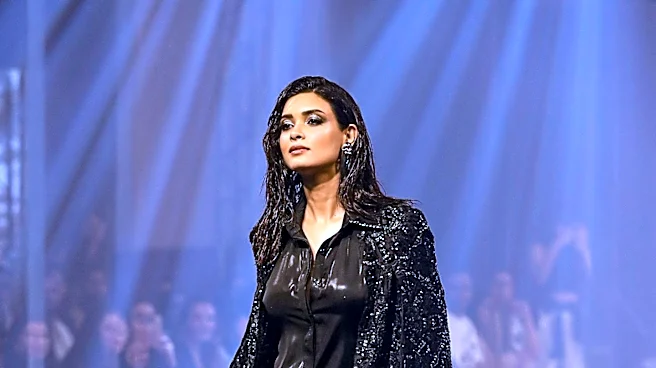
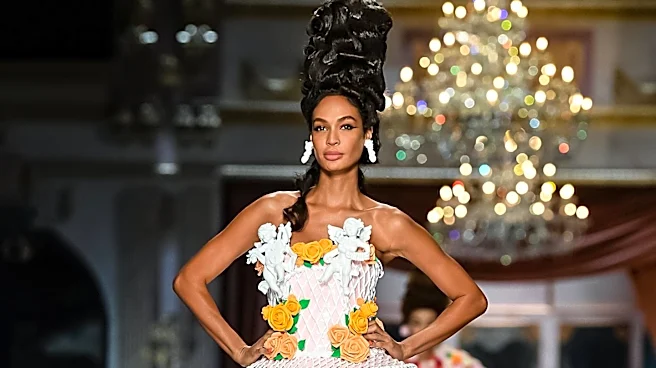
The 61st edition of São Paulo Fashion Week (SPFW) recently concluded, featuring 24 fashion shows under the theme 'Imaginários.' The event, which celebrated its 30th anniversary, showcased a wide array of collections from established and emerging Brazilian
designers. Among the notable presentations, À La Garçonne presented a collection inspired by a post-apocalyptic scenario, incorporating military and utilitarian aesthetics with floral elements. This collection featured broad silhouettes, cargo pants, asymmetrical buttoning, and plaid patterns. A specific highlight was a 'saia longa acolchoada' (long padded skirt) adorned with floral prints. Other designers explored themes ranging from automotive culture and punk aesthetics by Forca Studio, to marine inspirations by Marina Bitu, and tributes to influential designers by Martins. The event also featured innovative uses of 3D printing by Artemisi and artisanal techniques by Catarina Mina, emphasizing sustainability and cultural references.
Why It's Important?
While São Paulo Fashion Week is a Brazilian event, its showcased trends and design philosophies often influence global fashion, including the U.S. market. The inclusion of items like the 'saia longa acolchoada' (long padded skirt) and the broader emphasis on diverse silhouettes, utilitarian aesthetics, and sustainable practices reflect evolving consumer preferences that resonate internationally. U.S. fashion brands and retailers closely monitor such events for emerging trends, material innovations, and design directions. The focus on sustainability, artisanal craftsmanship, and cultural narratives seen at SPFW can inspire U.S. designers to adopt similar approaches, leading to more conscious and diverse fashion offerings. This can impact U.S. manufacturing and retail strategies, encouraging the adoption of eco-friendly materials and production methods, and fostering a greater appreciation for unique, culturally-inspired designs among American consumers. The event also highlights the growing global interconnectedness of the fashion industry, where trends can originate from various international hubs and quickly spread worldwide.
What's Next?
Following the trends observed at São Paulo Fashion Week, U.S. fashion designers and retailers may begin to incorporate similar design elements and themes into their upcoming collections. This could manifest as an increased presence of utilitarian styles, broad silhouettes, and garments featuring mixed textures and patterns in American stores. The emphasis on sustainability and artisanal techniques seen at SPFW might encourage more U.S. brands to invest in eco-friendly materials, upcycling initiatives, and collaborations with artisan communities. We could also see a rise in fashion narratives that draw inspiration from diverse cultural contexts, moving beyond traditional Western influences. Furthermore, the innovative use of technology, such as 3D printing in fashion, could prompt U.S. tech and fashion companies to explore new manufacturing processes and design possibilities, pushing the boundaries of conventional apparel production. This will likely lead to a more dynamic and diverse fashion landscape in the U.S., offering consumers a wider range of styles and ethically produced options.
Beyond the Headlines
The trends showcased at São Paulo Fashion Week, particularly the blend of utilitarianism, cultural references, and sustainable practices, point to deeper shifts in the global fashion industry that will inevitably impact the U.S. market. Ethically, the focus on sustainability and artisanal work raises questions about fair labor practices and environmental impact throughout the supply chain, pushing U.S. brands to be more transparent and responsible. Culturally, the incorporation of diverse global aesthetics challenges traditional fashion norms and promotes inclusivity, potentially leading to a more representative and culturally sensitive fashion landscape in the U.S. Economically, the emphasis on unique, handcrafted pieces and innovative materials could create new market segments and opportunities for small businesses and independent designers, fostering greater competition and creativity. This evolution signifies a move away from fast fashion towards a more thoughtful, conscious, and globally aware approach to clothing consumption and production, influencing consumer values and purchasing decisions in the long term.