




What's Happening?
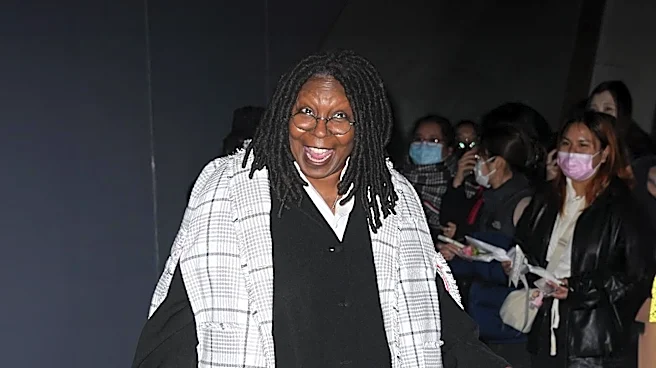
A viral claim circulating on social media platforms, particularly Facebook, alleged that the Golden Globe Ethics Board canceled Whoopi Goldberg's Lifetime Achievement Award due to her "extremist views." The claim further stated that the award would instead
be given to Keanu Reeves. This assertion gained traction, leading to mixed reactions online, with some users praising the alleged decision while others questioned its authenticity. However, a fact-check has revealed that this claim is false. There is no evidence from official announcements or statements by the Golden Globes to support the viral assertion. Furthermore, a search for credible reports from prominent news and entertainment outlets regarding such a cancellation yielded no results. It was also noted that an organization called the 'Golden Globe Ethics Board' does not exist. The claim originated from a known parody Facebook account, 'America’s Last Line Of Defense,' which explicitly states in its bio, 'Nothing on this page is real.'
Why It's Important?
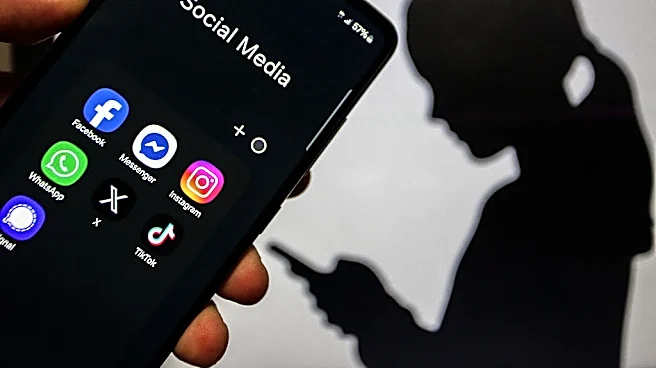
This incident highlights the pervasive issue of misinformation and the rapid spread of unverified claims on social media. The ease with which false narratives can be created and disseminated, even from self-identified parody accounts, underscores the challenges in distinguishing factual news from satire or outright falsehoods. For public figures like Whoopi Goldberg, such claims can lead to unwarranted public scrutiny and damage to reputation, despite being entirely fabricated. The situation also demonstrates the critical need for media literacy among social media users to critically evaluate information sources and verify claims before accepting and sharing them. The quick spread of this particular claim, and the varied public reactions it elicited, reflect a broader societal vulnerability to sensationalized and politically charged content, regardless of its veracity.
What's Next?
While the immediate impact of this specific false claim has been addressed through fact-checking, the broader challenge of combating misinformation on social media platforms remains ongoing. Social media companies are continually under pressure to develop more effective mechanisms for identifying and flagging false content, though the scale of the problem is immense. Users are encouraged to remain vigilant and cross-reference information with reputable news sources. For public figures, the ongoing threat of such fabricated stories means a continued need for clear communication and, at times, direct refutation of false claims. The incident serves as a reminder that the digital landscape requires constant scrutiny and a commitment to factual accuracy from both content creators and consumers.
Beyond the Headlines
The debunking of this viral claim touches upon deeper implications concerning the nature of online discourse and the erosion of trust in information. The fact that a parody account can generate such a widely believed story points to a potential desensitization to truth and a willingness to accept information that aligns with pre-existing biases, regardless of its source. This phenomenon can contribute to a fragmented public understanding of reality and make constructive dialogue more difficult. The incident also subtly highlights the political polarization present in society, as the alleged cancellation of an award for 'extremist views' resonated with certain segments of the online audience. This underscores how easily political narratives can be weaponized, even through fabricated stories, to target individuals or institutions.