





What's Happening?
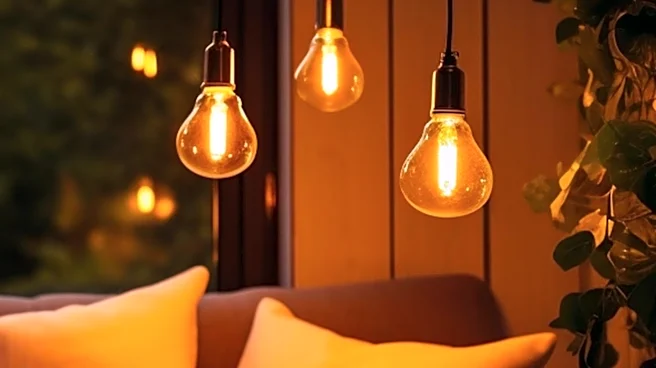
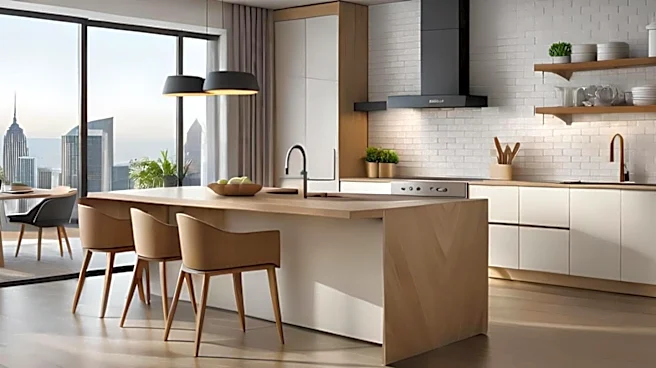
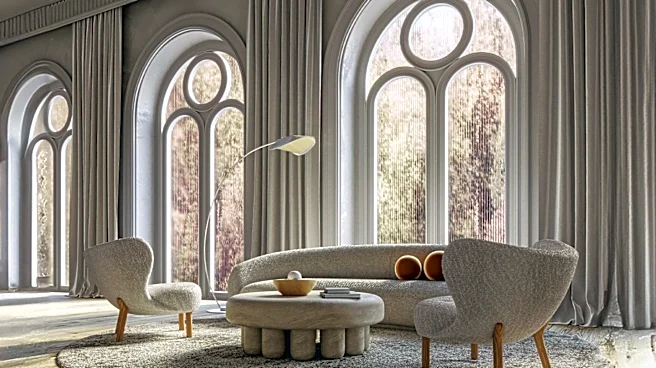
Modern home design is undergoing a significant transformation, moving away from the previously dominant cool minimalism and fully open-concept floor plans. The new emphasis is on 'organic modern' aesthetics, which incorporate natural materials, warm neutral
palettes, and rounded forms, alongside increased flexibility in living spaces. Homeowners are now frequently requesting dedicated low-stimulation areas, such as meditation nooks, reading rooms, or quiet rooms without screens. This shift is driven by a desire for comfort, wellness, and the need for adaptable spaces that can accommodate various activities like remote work, study, and relaxation. Designers are noting a preference for zoned rooms that offer both connection and privacy, utilizing elements like sliding panels, half walls, and strategic furniture placement to define areas within a larger space. The median new single-family home completed in 2025 measured 2,142 square feet, indicating that the focus is on optimizing existing space rather than expanding it.
Why It's Important?
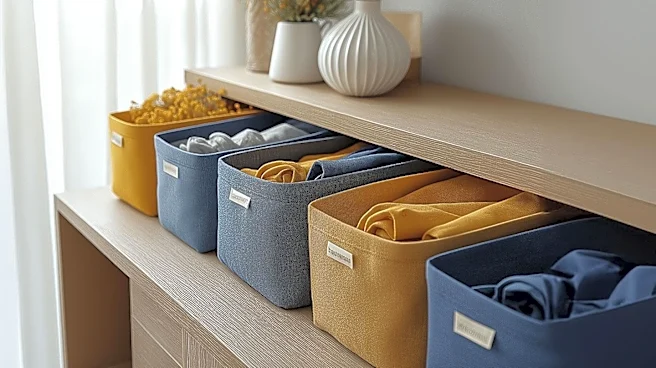
This evolution in home design reflects broader societal changes, particularly the increase in remote work and a heightened focus on personal well-being. The demand for quiet, dedicated spaces and flexible layouts directly impacts the residential construction and interior design industries. Builders and designers must adapt to these preferences, incorporating features like sound-absorbing materials, natural light, and hidden storage into their plans. The shift also influences the market for home furnishings, with a growing demand for pieces that promote relaxation and ergonomic support. Homeowners stand to gain from more functional and comfortable living environments that better suit their evolving lifestyles, while those in the housing sector must innovate to meet these new consumer expectations. The emphasis on natural materials and sustainable design also aligns with increasing environmental consciousness among consumers.
What's Next?
The trend towards organic modern design and flexible living spaces is expected to continue shaping the U.S. housing market. Architects and builders will likely further integrate features that allow for adaptable room configurations and dedicated wellness areas. Manufacturers of home goods will continue to develop products that align with these aesthetic and functional demands, such as furniture with sleek profiles, high-performance fabrics, and quieter operational mechanisms. Consumers can anticipate more options for customizing their homes to create personalized sanctuaries that support both productivity and relaxation. The real estate market may also see an increased valuation for homes that effectively incorporate these modern design principles, as they cater to the contemporary needs and desires of homebuyers.
Beyond the Headlines
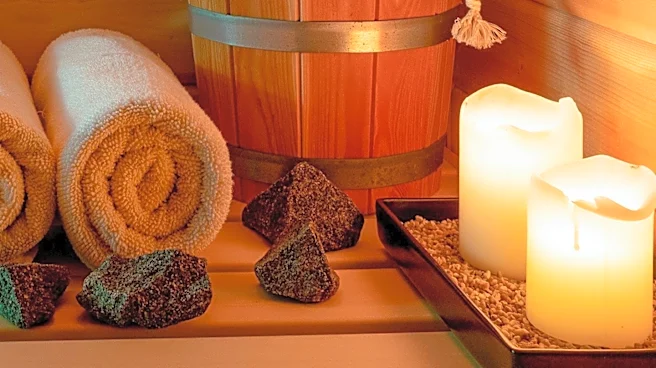
The move towards more private and flexible home environments could have deeper implications for family dynamics and social interaction within the home. As individuals spend more time working and engaging in personal wellness activities within their residences, the design of these spaces becomes crucial for mental well-being and productivity. The emphasis on 'quiet rooms' and 'low-stimulation spaces' suggests a societal recognition of the need to disconnect from constant digital input and find moments of calm. This trend also highlights a potential redefinition of luxury, moving from ostentatious displays to understated quality, craftsmanship, and functionality that genuinely enhance daily life. It underscores a broader cultural shift towards prioritizing personal comfort and mental health in the built environment.